“Do you have any camera footage?”
That’s usually one of the first questions police ask after a break-in, theft, or suspicious incident. And if you’ve ever handed over your footage, you might be surprised by what officers actually focus on—and what they quickly dismiss.
Contrary to popular belief, police aren’t just looking for a crystal-clear face. In real investigations, home security camera footage is valuable for many small but critical details. As someone who has reviewed footage with homeowners after incidents and spoken with security professionals, I’ve seen firsthand how the right footage can speed up an investigation—and how the wrong setup can make footage almost useless.
Let’s break down what police truly look for.
1. Clear Timeline and Accurate Timestamps
The first thing officers check isn’t the image—it’s the time and date.
If the timestamp is incorrect, even high-quality footage becomes difficult to use. Police rely on accurate timelines to:
Match footage with 911 calls
Cross-reference witness statements
Compare multiple camera angles from nearby homes or businesses
Common mistake:
Homeowners forget to sync their home security camera’s time settings after installation or daylight savings changes.
Pro tip:
Always confirm your camera’s clock matches real time. Even a 10-minute difference can complicate an investigation.
2. Movement Patterns, Not Just Faces
Here’s something most people don’t expect:
Police often care more about how someone moves than how they look.
Why? Because clothing changes, faces can be covered, and image quality varies. But movement patterns—walking style, speed, posture, hesitation—are harder to disguise.
Officers look for:
Direction of entry and exit
Whether the person knew where they were going
If they returned multiple times
Unusual behavior (pausing, looking around, testing doors)
A properly positioned home security camera that captures approach paths can be more valuable than a tight face shot.
3. Clothing, Accessories, and Distinctive Features
While faces are ideal, police are trained to extract identifiers from small details, such as:
Shoes (brand, tread pattern, color)
Hoodies, jackets, or logos
Backpacks, hats, or gloves
Tattoos or scars, even briefly visible
I’ve seen cases where a suspect was identified purely from unique footwear captured by a home security camera near a doorway.
This is why camera angle matters. A camera that only shows chest-level footage may miss critical identifiers.
4. Vehicles: The Silent Goldmine
If there’s one thing police love in home security camera footage, it’s vehicle data.
Even partial details help:
Vehicle type (sedan, SUV, truck)
Color and condition
Stickers, roof racks, or damage
Direction of travel
License plates are ideal, but not always necessary. A camera that captures vehicles entering or leaving the area—even briefly—can connect multiple incidents together.
Important note:
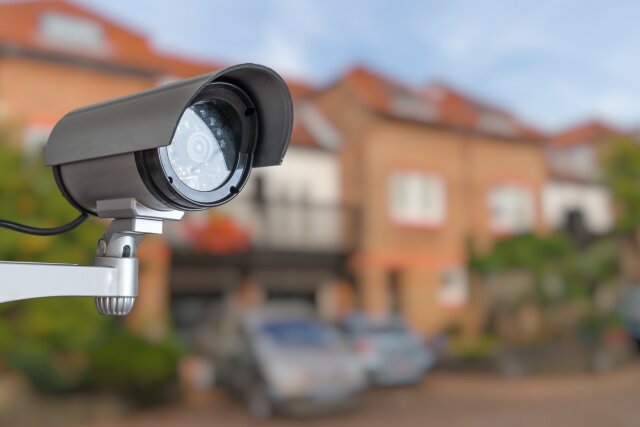
Position at least one home security camera to cover driveways or nearby streets when possible.
5. Quality Over Quantity
Many homeowners assume that longer footage is better. Police disagree.
Officers prefer short, relevant clips rather than hours of unedited video. When reviewing footage, they focus on:
The moment before the incident
The incident itself
The immediate aftermath
If you’re providing footage, trim it carefully and label it clearly. This makes it easier for officers to analyze and increases the chance your footage will actually be used.
6. Audio (When Legally Available)
In areas where audio recording is legal, sound can add valuable context:
Voices or accents
Car doors closing
Tools being used
Verbal exchanges
However, police will always prioritize legal compliance. Illegally recorded audio may not be admissible, even if it seems useful.
Always check local laws before enabling audio on your home security camera.
7. Continuity Across Multiple Cameras
One isolated clip can raise questions. Multiple angles answer them.
Police often look for:
How someone entered the property
Where they went next
How they left
This is why neighboring cameras—yours or your neighbors’—are often reviewed together. A well-planned home security camera setup creates a story, not just a snapshot.
8. Authentic, Untampered Footage
Trust is critical.
Police need to know that footage hasn’t been edited, filtered, or altered. Original files with metadata intact are far more valuable than screen recordings or compressed downloads.
Best practice:
Always keep the original file and share it directly from your camera’s system or cloud storage.
The Bigger Picture Most Homeowners Miss
Here’s the key takeaway most people learn only after an incident:
A home security camera isn’t just about catching a criminal—it’s about providing usable evidence.
Police aren’t expecting cinematic footage. They’re looking for context, consistency, and clarity. When your camera setup supports those goals, your footage becomes a powerful investigative tool rather than just a recording.
So ask yourself:
If police reviewed my footage tomorrow, would it actually help them?
That question alone can guide smarter camera placement, better settings, and stronger home security overall.