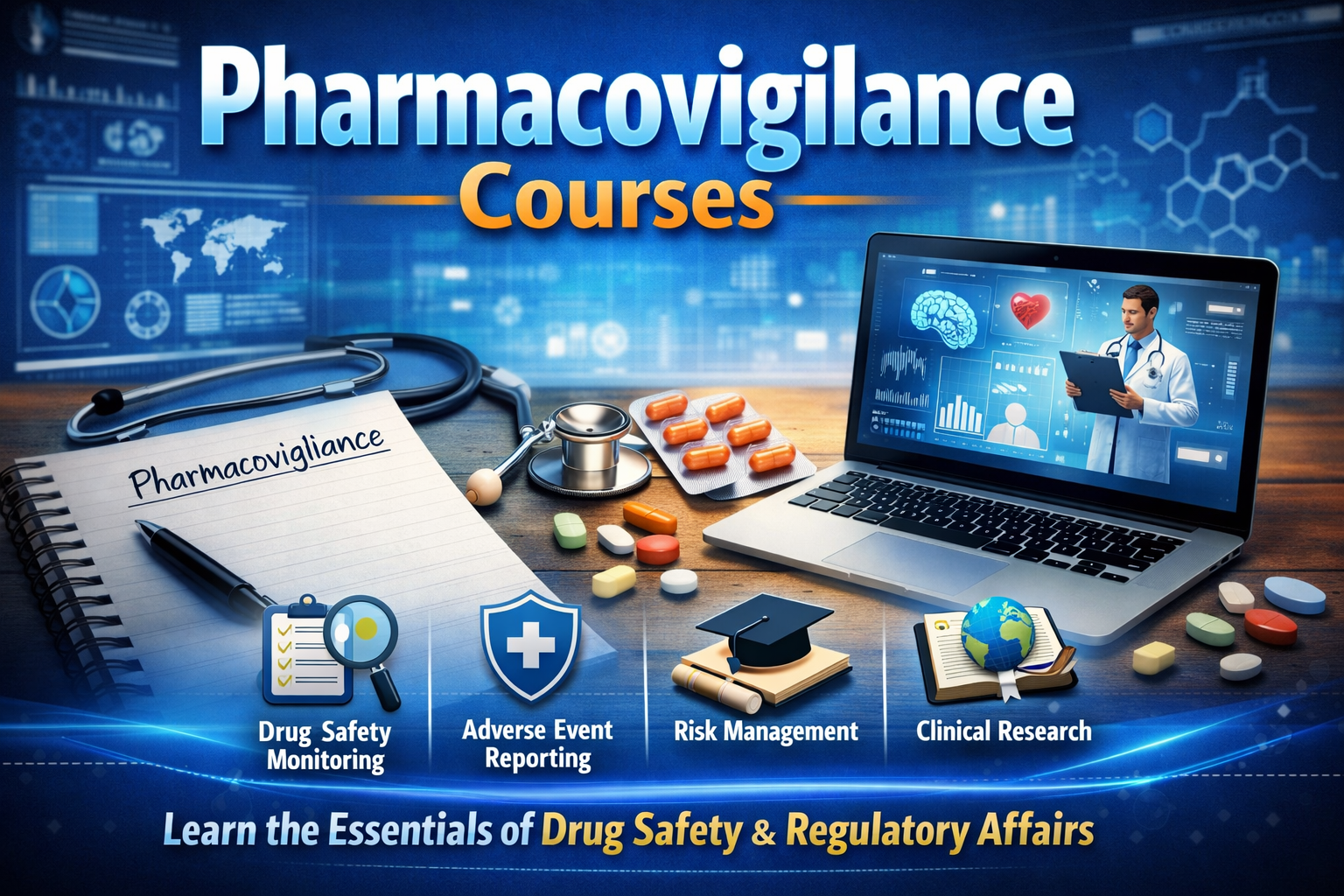
The healthcare and pharmaceutical sectors are expanding faster than ever before, and with this growth comes a greater responsibility—ensuring patient safety. Pharmacovigilance plays a critical role in monitoring, detecting, preventing, and reporting adverse drug reactions (ADRs) across the globe. This increasing demand has led to the rise in structured pharmacovigilance courses designed to train professionals who can support drug safety and regulatory compliance.
If you are planning to build a career in drug safety, a pharmacovigilance certification can be your gateway to a high-growth, globally recognized profession. This article provides a complete overview of the pharmacovigilance course, eligibility, skills required, job roles, salary insights, and career prospects.
What is Pharmacovigilance?
Pharmacovigilance (PV), also known as drug safety surveillance, is the scientific discipline focused on identifying, assessing, monitoring, and preventing adverse effects of pharmaceutical products. It helps improve the safety profile of medicines throughout their lifecycle, from clinical trials to post-marketing surveillance.
Why Enroll in a Pharmacovigilance Course?
A well-structured pharmacovigilance course offers specialized training in:
Adverse drug reaction (ADR) reporting
Drug safety monitoring and risk assessment
Regulatory guidelines (FDA, EMA, CDSCO)
Data management systems like Argus Safety and MedDRA
Good Pharmacovigilance Practices (GVP)
These skills help students and healthcare graduates secure career opportunities in pharmaceutical companies, CROs (Clinical Research Organizations), regulatory bodies, and healthcare institutions.
Who Can Join a Pharmacovigilance Course?
A pharmacovigilance certification is suitable for:
Pharmacy graduates (B.Pharm, M.Pharm)
Life science and biotechnology graduates
Nursing, MBBS, BDS, BHMS, BAMS graduates
Medical professionals looking for career growth
Clinical research and healthcare aspirants
Freshers with strong scientific knowledge and communication skills can easily begin their journey in PV.
Types of Pharmacovigilance Courses
Certificate Courses
Short-term programs (2–6 months)
Job-oriented practical modules
Diploma in Pharmacovigilance
6 months to 1 year programs
Advanced drug safety functions
PG Diploma
For graduates seeking specialized roles
Includes high-level regulatory and safety data management training
Online and classroom training models are both available based on learner preference.
Key Skills You Gain from Pharmacovigilance Certification
Understanding of ADR detection and reporting processes
Drug safety database expertise (Argus, ARISg)
MedDRA & WHO-Drug coding
Knowledge of global regulations and clinical trial safety
Strong analytical and documentation skills
Communication and case-narrative writing
These skillsets make candidates highly employable in various PV roles.
Career Opportunities after Pharmacovigilance Course
Upon completion of a pharmacovigilance certification, learners can apply for roles such as:
Drug Safety Associate (DSA)
Pharmacovigilance Officer
Safety Data Analyst
Risk Management Specialist
Clinical Data Manager
Medical Reviewer
PV Quality and Compliance Associate
Top employers include pharmaceutical MNCs like Novartis, Pfizer, GSK, Merck, and CROs such as IQVIA, Syneos Health, ICON, and Parexel.
Salary Scope in Pharmacovigilance
The salary range depends on experience, certification, and company profile:
International placements offer excellent salary growth with additional benefits.
Why Pharmacovigilance is a Growing Career
Rising global drug development
High investment in clinical research
Mandatory regulatory compliance for drug safety
Adoption of digital pharmacovigilance systems
Long-term job stability with strong career progression
As long as medicines exist, the demand for pharmacovigilance professionals will continue to increase.
Conclusion
A pharmacovigilance course is a smart career choice for students and professionals from life sciences and medical backgrounds. With the right training, practical exposure, and recognized pharmacovigilance certification, you can secure rewarding opportunities in pharmaceutical and clinical research industries. This is one of the most future-proof careers offering global reach, high professional value, and the satisfaction of contributing to patient safety worldwide.
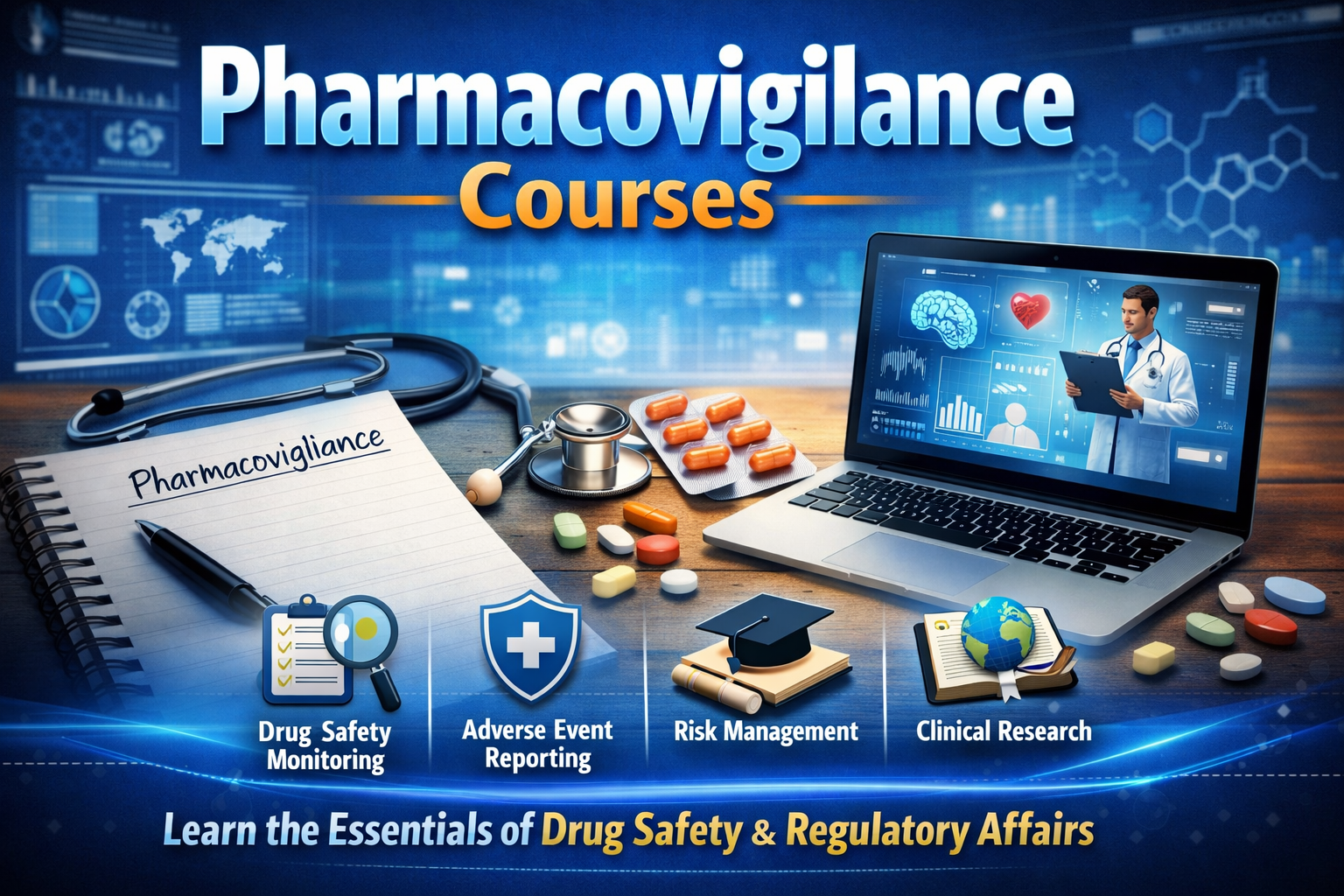

Want to start your career in the Pharmacovigilance?
If you are planning for this then apply for the Pharmacovigilance certification course in Pune.
Get a wonderful opportunity to learn about the Pharmacovigilance from experts.
Learn in-depth about the various functionaries of the Drug Safety Department by enrolling in the Pharmacovigilance training course.
Learn about the different reporting process and start your career in the Pharmacovigilance.