Thrips are among the most challenging insect pests farmers face worldwide. These tiny, fast-reproducing insects not only damage plant tissues through direct feeding but also transmit plant viruses, leading to significant crop losses across vegetables, ornamentals, fruits, and field crops. As global agriculture intensifies and climates shift, thrips populations continue to adapt, forcing researchers and agronomists to refine pest control strategies. In 2026, the latest agronomy research is reshaping our understanding of how to manage thrips effectively and sustainably using modern thrips control insecticides and complementary practices.
Why Thrips Are Modern Farming’s Persistent Problem?
Thrips (order Thysanoptera) are small, slender insects that feed on plant sap, flowers, and developing fruits. Their feeding causes stippling, scarring, and deformation, reducing marketable yield and quality. Furthermore, thrips such as Frankliniella occidentalis and Thrips palmi are vectors of plant viruses like Tospoviruses, making them even more destructive pests. Their high reproductive rate, cryptic behavior, and ability to develop resistance to control measures have complicated management efforts globally.
Because of these challenges, contemporary pest management research has focused not only on chemical solutions but also on integrated strategies that combine insecticides with biological controls and cultural practices.
Understanding Modern Thrips Control Insecticides
Chemical control remains a cornerstone of thrips management, but the 2026 agronomy landscape emphasizes evidence-based selection and rotation of active ingredients to delay resistance and boost field efficacy.
Agronomic trials conducted in recent years have evaluated a range of insecticide classes against various thrips species under field and laboratory conditions. For instance, foliar applications of newer chemistries such as Isocycloseram, Cyantraniliprole, Flonicamid, and Fipronil have shown marked reductions in thrips densities when included in integrated spray schedules.
These insecticides vary in their modes of action, allowing farmers to rotate between them and reduce the risk of resistance development. Rotating active ingredients is critical because thrips have shown differential resistance to commonly used insecticides, particularly pyrethroids, in some regions.
Recent Field Insights: What Agronomy Research Tells Us
1. Enhanced Efficacy Through Rotated Sprays
Recent agronomic studies have shown that combining multiple active ingredients across spray schedules helps suppress thrips populations more effectively than repeated use of a single chemistry. One such field evaluation found that insecticide sequences that included fipronil, tolfenpyrad, cyantraniliprole, and emamectin benzoate were highly effective in reducing thrips numbers on chilli crops.
This approach aligns with principles of resistance management, where insecticides with diverse modes of action are rotated to prevent pest adaptation. By integrating multiple fungible components, growers can delay resistance buildup and maintain long-term control efficacy.
2. Field Performance of Specific Control Agents
In protected cultivation systems (e.g., greenhouse capsicum), comparative studies have demonstrated the superior performance of some products against thrips. For example, Spinosad significantly reduced thrips populations compared to untreated controls, outperforming several other tested chemicals.
Similarly, laboratory and field screens against mulberry thrips found that a range of insecticides, including imidacloprid, fipronil, and acephate, induced high mortality under controlled conditions, serving as a basis for further field evaluation and refinement of timing and application strategies.
These results underscore that while many insecticides can help manage thrips, efficacy varies by species, crop environment, and application technique.
3. Resistance Trends and Management Challenges
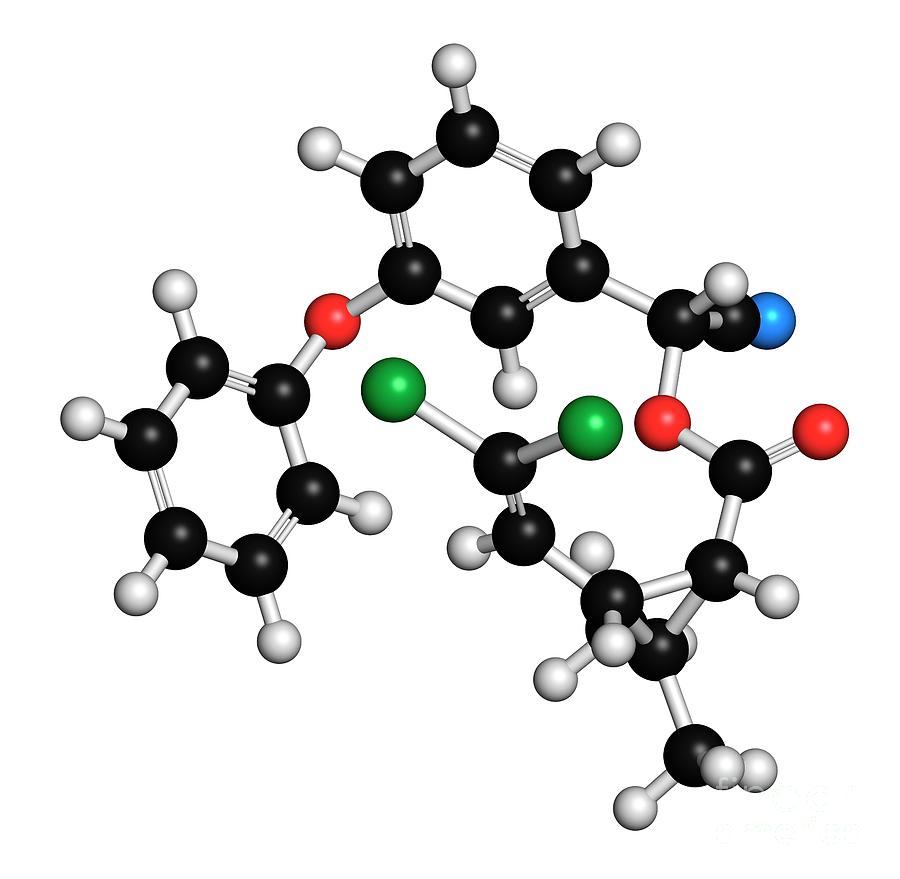
One of the most pressing findings in recent studies is the evolution of insecticide resistance in thrips populations. Research in Pakistan found varying levels of resistance among geographically distinct populations of Thrips tabaci to commonly used insecticides, especially pyrethroids such as deltamethrin.
Given such resistance development, agronomy researchers emphasize the importance of rational insecticide use, resistance monitoring, and IPM strategies. Repeated reliance on a single chemistry often accelerates resistance, diminishing the long-term usefulness of that product.
Beyond Chemicals: Integrated Approaches to Thrips Control
While chemical insecticides remain vital, 2026 research increasingly stresses integrated pest management (IPM) models that combine insecticides with biological and cultural tactics.
Biological Controls and Reduced-Risk Products
Research has highlighted the efficacy of reduced-risk insecticides, such as spirotetramat, cyantraniliprole, and spinetoram, which effectively suppress thrips while having minimal impact on beneficial predators like minute pirate bugs (Orius spp.). These selective products help maintain natural predation in systems such as pepper production.
Additionally, studies examining a biopesticide composed of capsicum and garlic extracts showed potential for suppressing Scirtothrips dorsalis in strawberry fields, especially where resistance to spinetoram was high.
These findings suggest that combining targeted insecticides with botanical and biological options can yield strong control while conserving beneficial fauna.
Cultural, Physical, and Emerging Thrusts in Thrips Management
Besides classic biological aids, novel strategies are emerging. For example, research in China investigated ultraviolet-absorbing films to control insecticide-resistant thrips in greenhouse settings. These films interfere with thrips’ visual behavior, significantly reducing infestation levels and improving crop yields.
While not an insecticide chemical per se, such innovations illustrate how pest management is broadening beyond spray tanks to include environmental and behavioral interventions that complement chemical controls.
Selecting the Best Insecticide: What Farmers Need to Know
With numerous products and strategies available, farmers often ask: Which is the best insecticide for thrips control?
Considerations for Selection
Target Species and Crop Context
Different thrips species and cropping systems may respond uniquely to specific control agents. Extensive field observations help tailor selection to real-world conditions.
Resistance Profiles
Monitoring local resistance trends helps avoid ineffective products and maintain long-term productivity.
IPM Compatibility
Choosing insecticides that integrate well with beneficial organisms and cultural practices enhances sustainable control.
Mode of Action Rotation
Alternating insecticides with different modes of action prevents resistance buildup.
Rather than relying on a single product, farmers should design spray schedules backed by agronomy research and local extension advisories to maximize control while reducing environmental impact.
Looking Ahead: Research Priorities and Future Tools
Thrips management will continue to evolve as agriculture embraces more data-driven and sustainable approaches. Future research priorities include:
- Genetic and molecular tools, such as RNA interference (RNAi), to disrupt thrips physiology directly.
- Optimized deployment of semiochemicals to attract or repel thrips as part of pest monitoring and push-pull strategies.
- Precision application technologies, such as targeted spraying or robotics, to reduce chemical load while improving efficacy.
- Continued resistance surveillance, enabling adaptive insecticide recommendations.
These directions mirror broader trends in sustainable pest management and precision agriculture.
Final Words
Thrips remain a formidable pest in 2026, but agronomy research is equipping farmers with a deeper understanding of how to deploy modern control strategies effectively. Thrips Control Insecticides backed by field trials, rotation plans, and resistance monitoring provide robust options for suppressing populations. When combined with integrated approaches including biological aids, physical barriers, and selective chemistries, growers can achieve meaningful, sustainable reductions in thrips pressures.
Choosing the best insecticide strategy involves evaluating local pest dynamics, crop requirements, and long-term resistance implications. With informed decision-making and research-backed practices, thrips need not dictate farm profitability even as they adapt to evolving agricultural environments.