


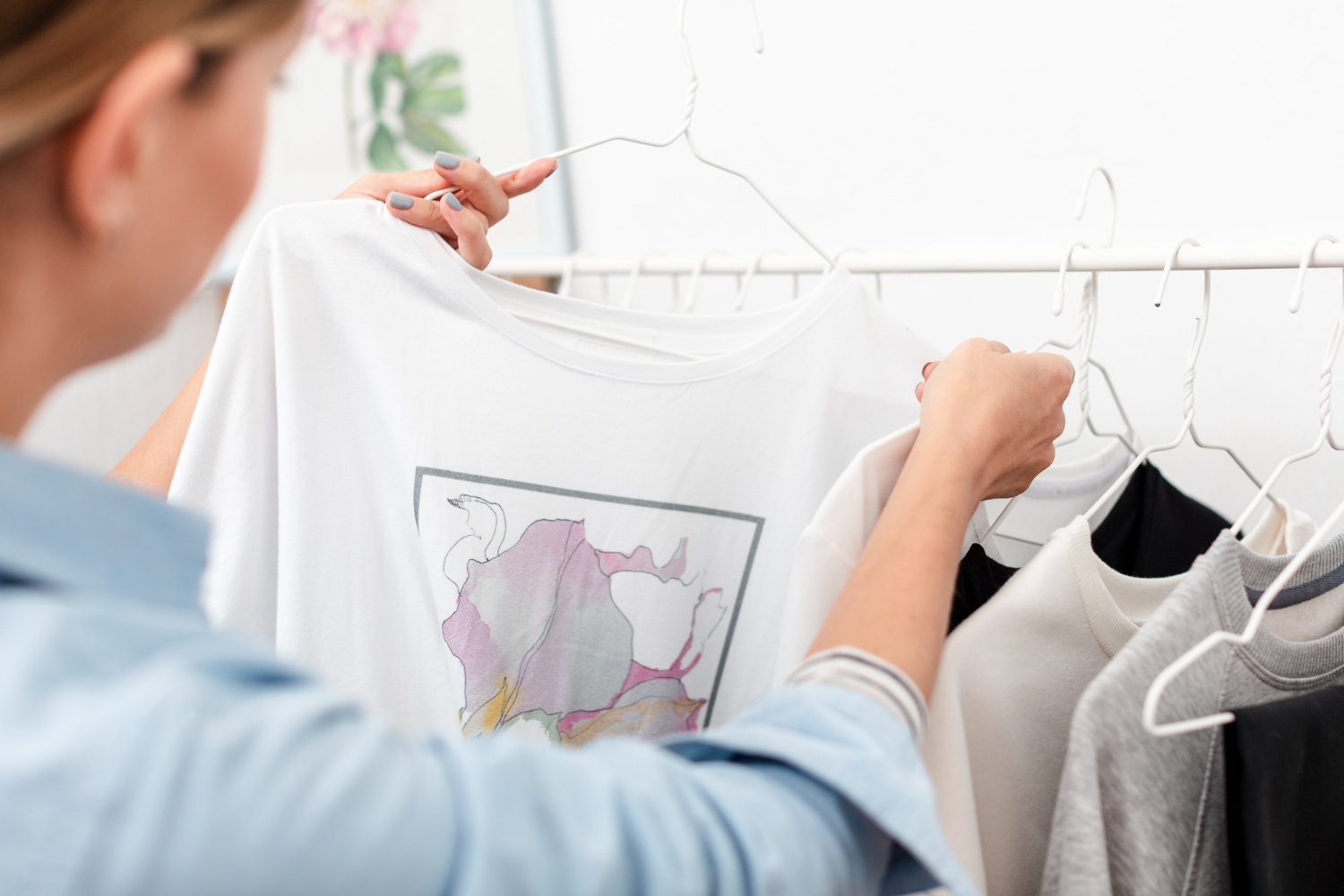
There is a fundamental human need to belong. From the earliest tribes to the most complex modern societies, we have always sought out groups that reflect our values, interests, and passions. In the digital age, where many of our connections are forged through screens and fiber optic cables, the need for tangible, physical symbols of that belonging has never been stronger. This is where custom apparel steps in, quietly transforming from a simple fashion choice into the very heartbeat of modern community building.
It is easy to dismiss a custom t-shirt or a branded hoodie as mere merchandise. But look closer. That garment is a flag, a non-verbal declaration of allegiance, a shared inside joke, and a portable memory all rolled into one. It is the physical manifestation of a digital bond, a way to bridge the gap between the online forum and the real-world meet-up. When you see someone across a crowded room wearing the same obscure logo as you, there is an instant, unspoken connection. You are not strangers; you are members of the same tribe.
The Evolution of the Uniform
Historically, uniforms were about control and conformity. Think of military ranks, school dress codes, or corporate attire. They stripped away individual identity to enforce a collective one. Custom apparel, however, operates on the opposite principle. It is a voluntary uniform, a choice made by individuals to express their unique collective identity.
Consider the local running club. They wear matching technical shirts not because they are forced to, but because it signifies their shared commitment to fitness and their neighborhood. The shirt is a conversation starter, a way to recruit new members, and a badge of honor after a long race. It transforms a solitary activity into a shared experience.
This principle extends to every corner of modern life. Online gaming guilds, niche podcast fan communities, local craft beer enthusiasts, and even groups dedicated to obscure historical facts all use custom apparel to solidify their identity. The apparel is the tangible anchor that grounds their shared passion in the physical world. It is a simple, powerful way of saying, "I am one of you, and we are here."
Bridging the Digital Divide
The rise of the internet has allowed communities to form around interests rather than geography. You can now connect with people who share your passion for vintage synthesizers or obscure 1980s cinema, regardless of where they live. These digital communities are vibrant and active, but they often lack the tactile, sensory experiences that strengthen real-world bonds.
Custom apparel provides that missing link. When a fan of a YouTube channel buys a limited-edition hoodie, they are not just purchasing clothing; they are buying a piece of the community's narrative. When they wear it, they are carrying that narrative with them. If they bump into another fan, the shared apparel instantly validates their connection, turning a random encounter into a moment of shared joy.
The act of creating the apparel itself can be a community-building exercise. Designing a logo, voting on colors, and debating the perfect slogan all become shared projects. The final product is not just the result of a transaction; it is the culmination of a collaborative effort, making the resulting garment far more valuable than its material cost. It is imbued with the collective effort and history of the group.
The Craft Behind the Connection
For a piece of custom apparel to truly serve as a community heart, it must be something people are proud to wear. It needs to be high quality, durable, and visually appealing. No one wants to wear a faded, cracked t-shirt that looks cheap and falls apart after two washes. The integrity of the apparel reflects the integrity of the community it represents.
This is where the technical side of production becomes critical. The democratization of design tools has been matched by the democratization of production methods. Small-scale entrepreneurs and community organizers no longer need to order thousands of units from a massive factory. Modern printing technologies have made it possible to produce small batches of high-quality, full-color designs quickly and affordably.
For anyone serious about creating apparel that truly lasts and serves as a proud symbol for their community, understanding the best production methods is essential. Techniques like Direct-to-Film (DTF) printing have revolutionized the industry, offering vibrant colors and excellent wash durability on a wide range of fabrics. If you are looking to dive deeper into the technical aspects, from equipment reviews to troubleshooting guides that ensure your community's gear is top-notch, resources that provide expert knowledge on advanced techniques and industry insights are invaluable. For example, a dedicated platform like the one found at https://dtfpartner.vercel.app can be a fantastic starting point for mastering the craft and ensuring your community's apparel is a symbol of quality.
The quality of the print is a silent promise to the community: "We care about the details, and we are here for the long run." A well-made garment is a testament to the community's permanence and professionalism, whether it is a professional organization or a casual fan club.
Beyond Fundraising: The Emotional Economy
While custom apparel is often used for fundraising, its true value lies in the emotional economy it creates. The money raised is important, but the feeling of solidarity is priceless.
Imagine a local charity running a campaign. They sell t-shirts to raise money for a cause. Every person who buys and wears that shirt becomes a walking billboard, yes, but more importantly, they become a visible part of the movement. The shirt is a conversation starter that allows them to share the charity's mission with others. It transforms passive support into active advocacy.
The emotional value is also tied to memory. A shirt from a community's first annual festival, a hoodie commemorating a successful season, or a patch from a volunteer trip all become wearable artifacts. They are tangible reminders of shared experiences, inside jokes, and collective achievements. Years later, pulling out that old, soft t-shirt instantly transports the wearer back to that moment, reinforcing the bond they felt with the group.
The Psychology of Shared Identity
The psychological impact of wearing custom apparel is profound. It taps into the concept of "social identity theory", where a person's sense of who they are is derived from their membership in a social group. When you put on that community shirt, you are not just covering your body; you are affirming your identity.
This affirmation has several positive effects:
- Increased Cohesion: It makes the group feel more unified and distinct from others.
- Enhanced Self-Esteem: Being part of a valued group boosts individual self-worth.
- Behavioral Alignment: People are more likely to act in ways that align with the group's values when they are visibly representing that group.
For community leaders, custom apparel is a powerful, low-cost tool for internal motivation and external visibility. It is a way to instantly elevate the group's presence and make its members feel seen and valued. It is a simple piece of fabric that carries the weight of collective pride.
Case Studies in Community Apparel
We see this phenomenon everywhere, often in unexpected places.
The Local Coffee Shop: A small, independent coffee shop is more than a place to get caffeine; it is a neighborhood hub. When they sell a simple t-shirt with their logo, the customers who buy it are not just supporting the business; they are signaling their love for the local spot and their commitment to the neighborhood's character. They become unofficial ambassadors, turning a commercial transaction into a communal act.
The Open-Source Software Project: These projects are often run by volunteers scattered across the globe. A custom sticker or t-shirt is a highly coveted item. It is a physical reward for countless hours of digital labor. Wearing it at a conference or a local tech meet-up is a way to instantly identify fellow contributors, fostering collaboration and camaraderie in a field that can often feel isolating.
The School Parent Group: Parents organizing a school event often wear custom shirts. This simple act of wearing a shared color or logo makes them instantly recognizable, but it also unites them in their mission. It transforms a collection of individuals into a unified, effective team working toward a common goal.
In each of these examples, the apparel is not the end product; it is the catalyst for connection. It is the visible thread that weaves individuals into a cohesive whole.
The Future is Hyper-Local and Hyper-Personal
As global commerce continues to dominate, there is a growing counter-movement toward the local, the unique, and the personal. People are craving authenticity and connection. Custom apparel is perfectly positioned to serve this need.
The future of community building will be characterized by hyper-personalization. Communities will move beyond simple logos to apparel that tells a more complex, nuanced story. Think of limited-run designs that commemorate specific events, inside jokes, or milestones. The apparel will become less about mass production and more about micro-batch storytelling.
This trend is only possible because of the advancements in printing technology. The ability to print one-off, high-quality items on demand means that a community of 50 people can have a design that is just as professional and durable as a design for a community of 50,000. This flexibility allows communities to be more agile, responsive, and creative with their identity.
Ultimately, the custom t-shirt is a humble hero in the story of modern connection. It is a simple, affordable, and deeply effective tool for turning a shared interest into a shared identity. It takes the abstract idea of a community and makes it something you can touch, wear, and share. It is the heart of the community, worn proudly on the sleeve.
The journey of a community is often marked by its symbols. From the banners of medieval guilds to the flags of nations, we have always used visual markers to define who we are and who we stand with. Custom apparel is the modern, democratic version of this tradition. It is accessible to all, easily customizable, and deeply personal.
The power of this medium lies in its subtlety. It does not require a long speech or a formal introduction. It simply exists, silently communicating a message of belonging. When you wear a piece of custom apparel, you are not just representing yourself; you are representing a collective dream, a shared passion, and a network of people who believe in the same thing.
This is why the technical quality of the apparel is so important. A community's symbol should be a source of pride, not embarrassment. The ability to produce vibrant, long-lasting prints on comfortable, high-quality garments is non-negotiable. It is the foundation upon which the emotional value is built. If the print fades after a few washes, the memory it represents also feels diminished.
Therefore, for anyone organizing a community, whether it is a small book club or a large online movement, investing time in understanding the production process is as crucial as designing the perfect logo. The apparel is a long-term investment in the community's identity and cohesion. It is a tangible reminder that even in a world dominated by the ephemeral nature of digital communication, some bonds are meant to be worn and cherished for years to come.
The custom apparel you create is more than just clothing; it is the fabric of your community.


