Rugs play a vital role in shaping how a home looks, feels, and functions. Often seen as decorative additions, rugs offer far more than visual appeal. They provide comfort underfoot, reduce noise, protect flooring, and help organise spaces. In UK homes, where layouts range from compact flats to spacious family houses, rugs support both style and practicality.
Understanding the importance of rugs helps homeowners choose pieces that fit everyday life while enhancing interior design.
The Practical Importance of Rugs in Homes
Many UK properties feature hard floors such as laminate, wood, tile, or vinyl. These surfaces are durable but can feel cold and uninviting. Rugs add insulation, helping rooms stay warmer during colder months. They also soften the feel of a space, making walking, sitting, or standing more comfortable.
Rugs absorb sound, reducing echoes and footstep noise. This is especially useful in flats, terraced houses, and homes with open-plan layouts where sound can travel easily between rooms. By reducing noise, rugs help create calmer and more relaxed living environments.
In addition, rugs protect flooring from daily wear. High-traffic areas benefit from this added layer, extending the life of floors and reducing maintenance.
How Rugs Improve Home Style and Decoration
Rugs bring colour, texture, and personality into a room. They help tie together furniture, wall colours, and accessories, creating a balanced look. A space without a rug can feel unfinished, while the right rug adds structure and harmony.
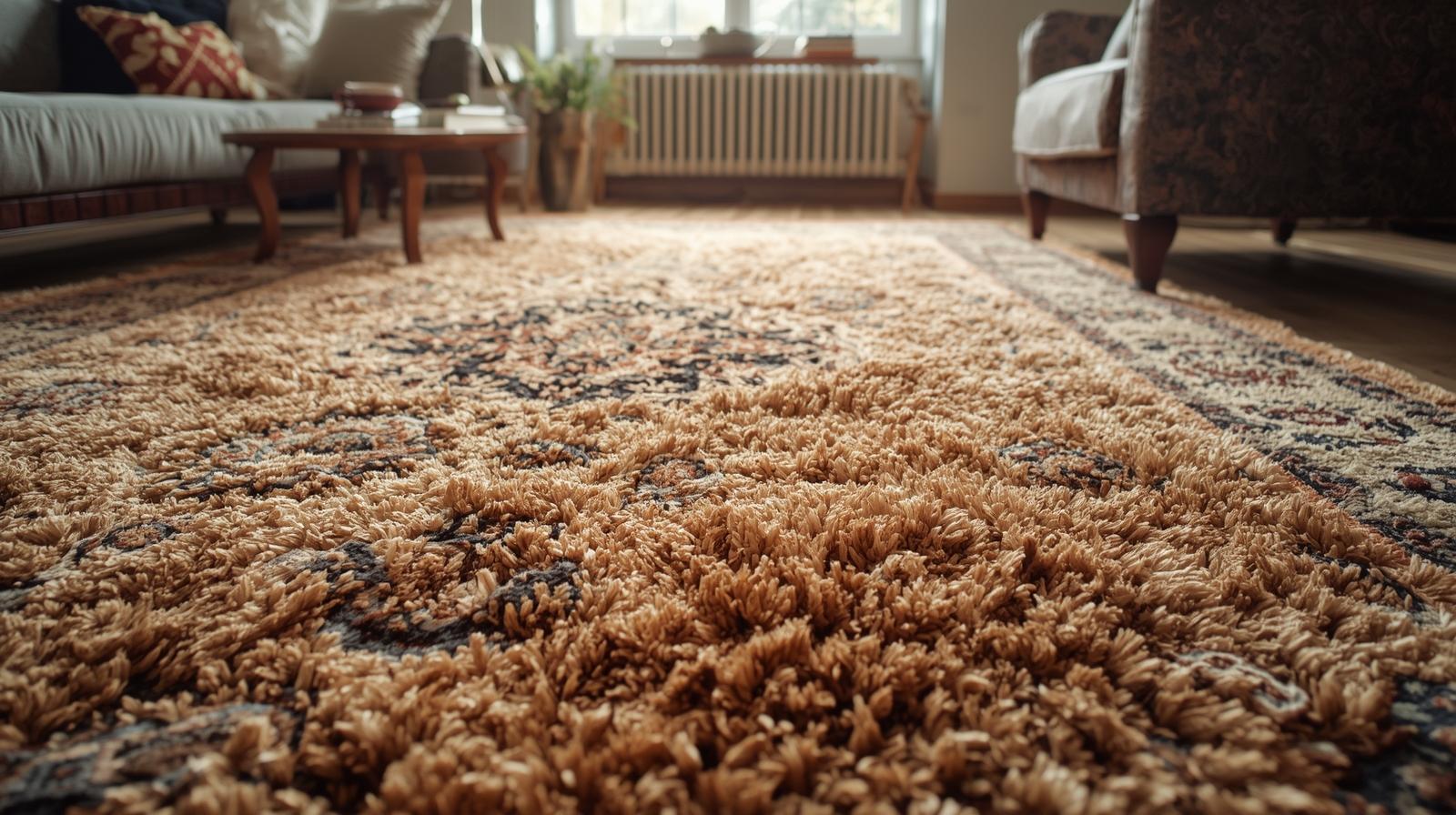
Neutral rugs support calm interiors and allow furniture and décor to stand out. Patterned rugs introduce character and can become focal points within a room. Textured rugs add depth and interest, preventing spaces from feeling flat or cold.
Rugs are also flexible design tools. Changing a rug is easier than repainting or replacing furniture, allowing homeowners to refresh interiors as trends or preferences change.
Different Types of Rugs and Their Uses
Modern Rugs
Modern rugs feature clean lines, simple patterns, and contemporary colours. They suit modern flats, minimalist homes, and open-plan spaces. These rugs create a tidy, uncluttered look while still offering comfort.
Traditional Rugs
Traditional rugs include detailed patterns, classic motifs, and richer colours. They work well in period properties and traditional interiors, adding warmth and character. These rugs help balance heritage features with modern furnishings.
Shaggy and Soft Rugs
Shaggy rugs are known for their deep pile and luxurious feel. They provide excellent comfort and warmth, making them ideal for living rooms and bedrooms. These rugs create cosy spaces designed for relaxation.
Flatweave Rugs
Flatweave rugs are lightweight and practical. They are easy to clean and suitable for high-traffic areas such as kitchens, dining spaces, and hallways. Flatweaves also work well in layered designs.
Low-Pile Rugs
Low-pile rugs offer a balance between comfort and durability. They handle frequent use well and are suitable for family homes where practicality matters.
Room-by-Room Benefits of Rugs
Living Room Rugs
In living rooms, rugs define seating areas and bring furniture together. A well-sized rug anchors sofas and coffee tables, making the space feel organised and complete. Rugs also add warmth and help create inviting social areas.
Bedroom Rugs
Bedroom rugs add comfort underfoot, particularly in the morning. Soft rugs placed beside or under the bed increase warmth and improve the overall feel of the room. They contribute to a relaxed and restful atmosphere.
Kitchen Rugs
Kitchen rugs protect floors from spills and provide comfort while standing. Low-pile or flatweave rugs work best, as they are easy to maintain and suit busy kitchen environments.
Hallway Rugs
Hallway rugs improve first impressions while protecting high-traffic areas. Runners help guide movement through narrow spaces and reduce wear on flooring.
Choosing the Correct Rug Size
Rug size plays a major role in how a room feels. Rugs that are too small can make spaces feel disconnected, while well-sized rugs add balance and structure. Clear sizing guidance, such as RugsPile sizing help, allows UK homeowners to choose rugs that fit their rooms properly and support everyday use.
In living rooms, rugs should sit beneath main furniture pieces or at least the front legs. In bedrooms, rugs should extend beyond the bed for comfort. Hallway rugs should fit proportionally to avoid crowding the space. Proper sizing ensures rugs support the layout rather than disrupt it.
Understanding Rug Materials Polyester and Soft Fibres
Polyester Rugs
Polyester rugs are popular due to their durability, affordability, and resistance to stains and fading. They are easy to clean, making them ideal for busy households. These rugs maintain colour well and suit high-traffic areas.
Soft Fibre Rugs
Soft fibre rugs offer enhanced comfort and warmth. They are well suited to bedrooms and living spaces where relaxation is a priority. These rugs create a welcoming feel while supporting everyday comfort.
Natural vs Synthetic Materials
Synthetic materials often offer easier care and durability, while natural fibres provide texture and character. Choosing the right material depends on the room, usage level, and lifestyle.
Rugs in Homes with Children and Pets
Rugs provide safe and comfortable play areas for children and resting spaces for pets. Soft textures reduce impact, while durable materials handle daily activity without wearing quickly. Choosing from a wide range of rugs for everyday use makes it easier to find practical options for busy family homes.
Rugs also help prevent slipping and provide stability in high-traffic areas, improving safety for all household members.
Seasonal Comfort and Insulation
Rugs help homes adapt to changing seasons. Thicker rugs add warmth in autumn and winter, while lighter styles suit spring and summer. Layering rugs allows flexibility, enabling homes to adjust comfort levels throughout the year.
Seasonal rug choices also allow interior updates without major changes.
Final Thoughts
Rugs are essential elements of home design and daily living. They improve comfort, reduce noise, protect flooring, and enhance decoration. By selecting the right type, size, and material, rugs support practical needs while shaping the look and feel of a home.
A thoughtfully chosen rug is not just decoration. It is a functional and lasting feature that helps make homes warmer, quieter, and more inviting for everyday life.

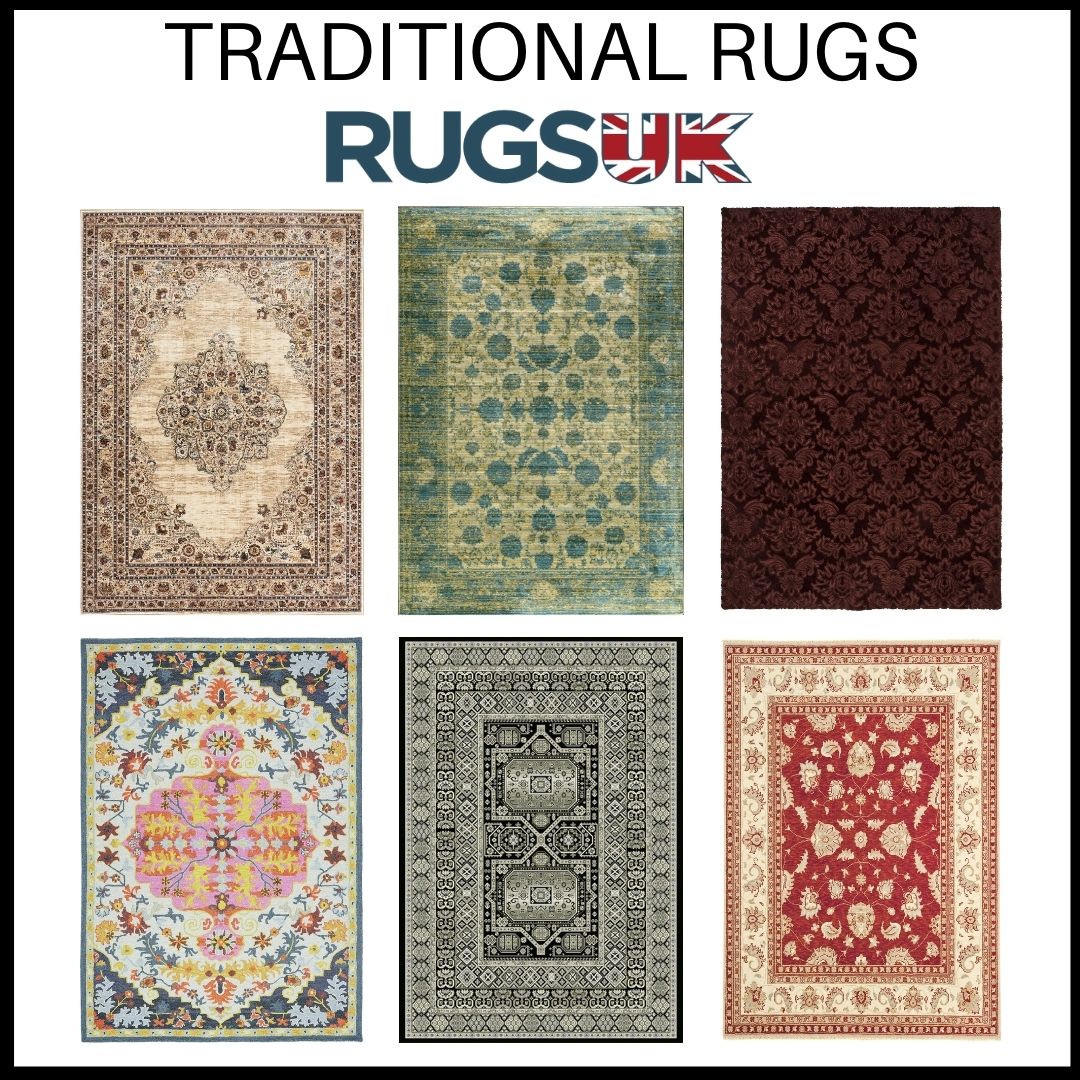
Our awesome collection of Traditional Rugs include hand-knotted oriental carpets, hand-tufted and machine-made rugs in wool and synthetic piles.