The cockroach is perhaps the most resilient and reviled pest on the planet. They are masters of survival, but there is one question that often causes the most panic: "can cockroaches fly?" For anyone dealing with an infestation in their kitchen or business, the thought of these insects taking flight adds a new layer of urgency to the situation.
The Biology of Flight: Which Species Fly?
To answer the question, "can cockroaches fly?" we have to look at their anatomy. Almost all species of cockroaches possess wings once they reach adulthood. However, having wings does not necessarily make them good fliers.
In the UK, the most common species is the German Cockroach. While they have wings, they almost never fly, preferring to scuttle rapidly across floors and walls. The Oriental Cockroach, another common UK invader, is also largely flightless; the males have short wings, but they are not built for sustained flight.
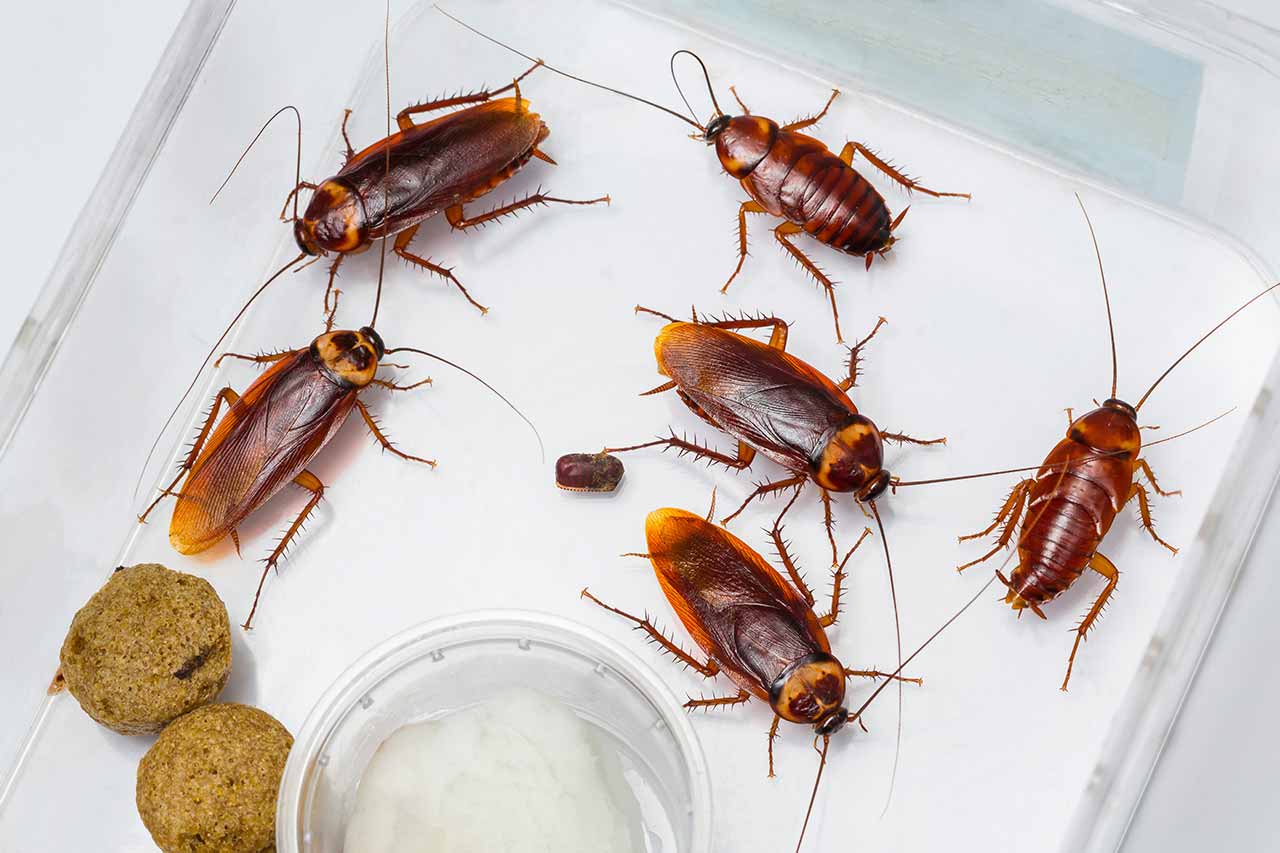
However, if you encounter an American Cockroach or a Smoky Brown Cockroach (which are occasionally brought into the UK through international shipping), you will find they are quite capable of gliding. They often use their wings to "drop" from a ceiling onto a surface or to escape a predator.
Why Flying Cockroaches Are a Greater Threat
When a cockroach can fly or glide, it changes the dynamics of an infestation. It means they can easily access high-level food storage, ventilation shafts, and upper floors of a building. This mobility makes them incredibly difficult to track without professional help.
If you see a cockroach in the air, it usually indicates a warm, humid environment—conditions that allow their muscles to function at peak performance. It also suggests the colony has reached a mature stage where adults are searching for new territory. This is why immediate cockroach control is vital the moment a sighting occurs.
Protecting Your Home from Airborne Pests
Because cockroaches are nocturnal and secretive, they often go unnoticed until the population is large. To prevent them from entering:
Seal Gaps: Use caulk to seal gaps around pipes and baseboards.
Dehumidify: Use fans or dehumidifiers in basements and kitchens.
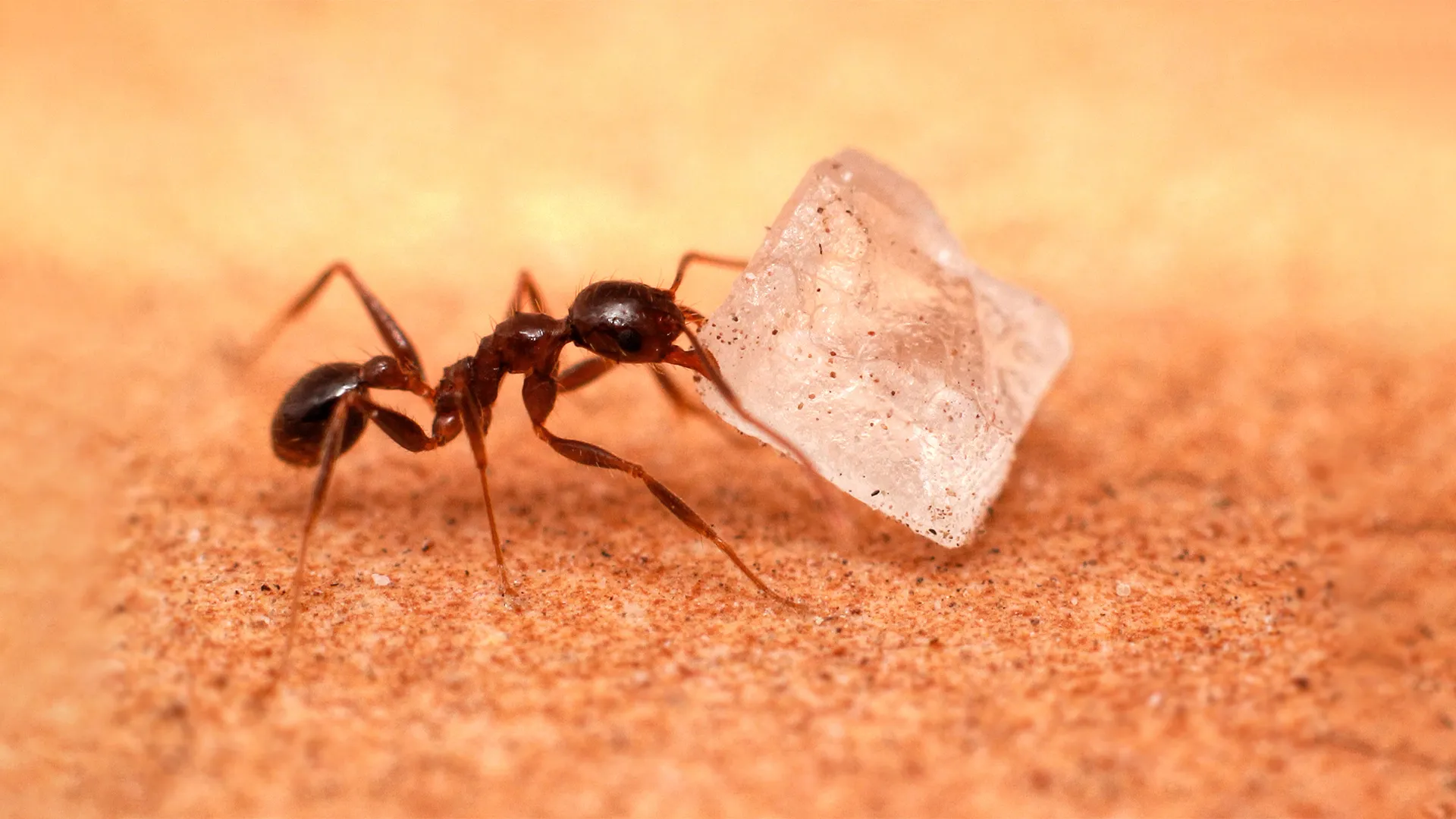
Clean Crumbs: Even a tiny amount of grease or sugar can sustain a colony for weeks.
If your preventative measures fail, Bath Pest Controllers can provide a professional knockdown treatment that targets both crawling and flying individuals, ensuring your home remains a sanctuary.
FAQs
1. If I see a flying cockroach, does it mean I have a massive infestation?
Not necessarily, but it does mean that the cockroaches in your home have reached maturity. Since one female can produce hundreds of offspring in her lifetime, seeing an adult is a sign that you need to act quickly before the population explodes.
2. Are flying cockroaches more dangerous than crawling ones?
They aren't more "venomous," but they are more effective at spreading bacteria. Because they can land on high surfaces like dinner plates or food prep areas that crawling roaches might miss, the risk of cross-contamination is significantly higher.