

Forklifts / Gabelstapler: The Backbone of Global Supply Chains
Without them, modern commerce would come to a standstill. Forklifts (officially known as industrial lift trucks) are the primary movers in the world of internal logistics. Whether in high-bay warehouses, loading docks, or construction sites, these agile machines move tons of cargo with incredible precision and speed.
A Breakdown of Power Sources
Depending on the environment and the intensity of the work, different drive technologies are utilized:
Electric Forklifts: The gold standard for indoor use. They are emission-free, quiet, and—thanks to advanced Lithium-ion technology—highly energy-efficient.
Diesel Forklifts: These heavy-duty machines are built for rugged outdoor environments. They offer immense lifting power and endurance but are restricted to outdoor areas due to exhaust emissions.
LPG (Gas) Forklifts: A versatile "hybrid" choice. They produce fewer emissions than diesel and can often be used both indoors (with proper ventilation) and outdoors.
Specialized Types for Every Challenge
Not all lifting tasks are the same. Different environments require specialized material handling equipment:
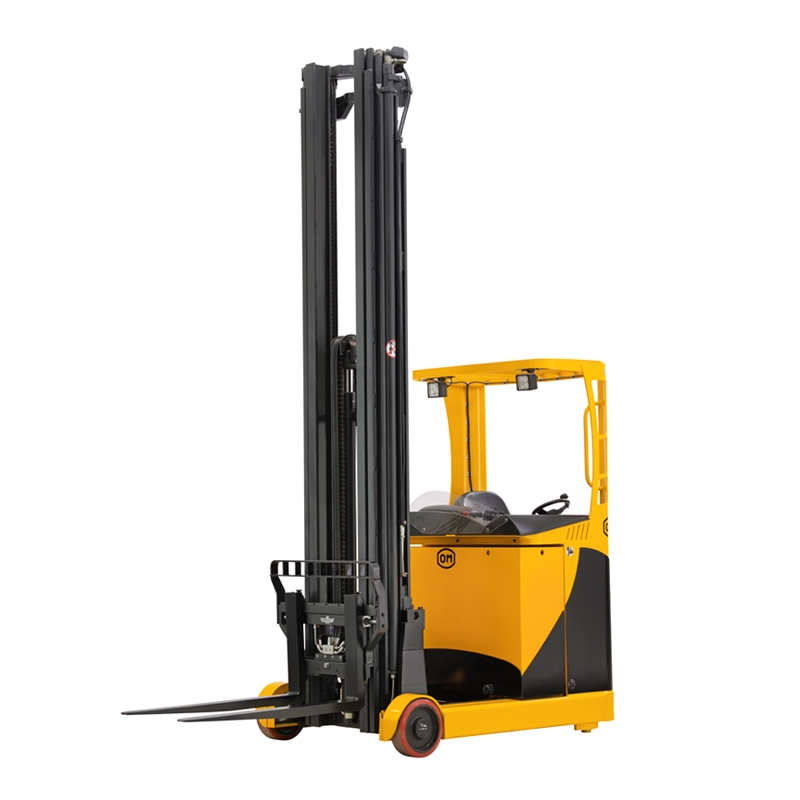
Reach Trucks: Designed for narrow aisles, these allow for maximum storage density by reaching deep into racking systems.
Heavy-Duty Forklifts: Capable of moving shipping containers or massive steel beams in ports and industrial plants.
Rough Terrain Forklifts: Equipped with large, treaded tires to navigate uneven ground on construction sites.
Did you know? The first modern forklift was developed in the early 1920s. Since then, the technology has evolved from simple mechanical levers to highly complex, often semi-autonomous systems.
Safety and Training: The Importance of Certification
Despite advanced safety features, the human operator remains the most critical factor. In most countries, a forklift certification (often called a forklift license) is legally required to ensure safe operation.
Core Safety Principles:
The Stability Triangle: Operators must understand the center of gravity to prevent the truck from tipping over.
Visibility: If a load obstructs the forward view, the operator must drive in reverse.
Regular Inspections: Daily pre-shift checks are essential to identify hydraulic leaks or mechanical wear before they lead to accidents.
The Future: Automation and AI
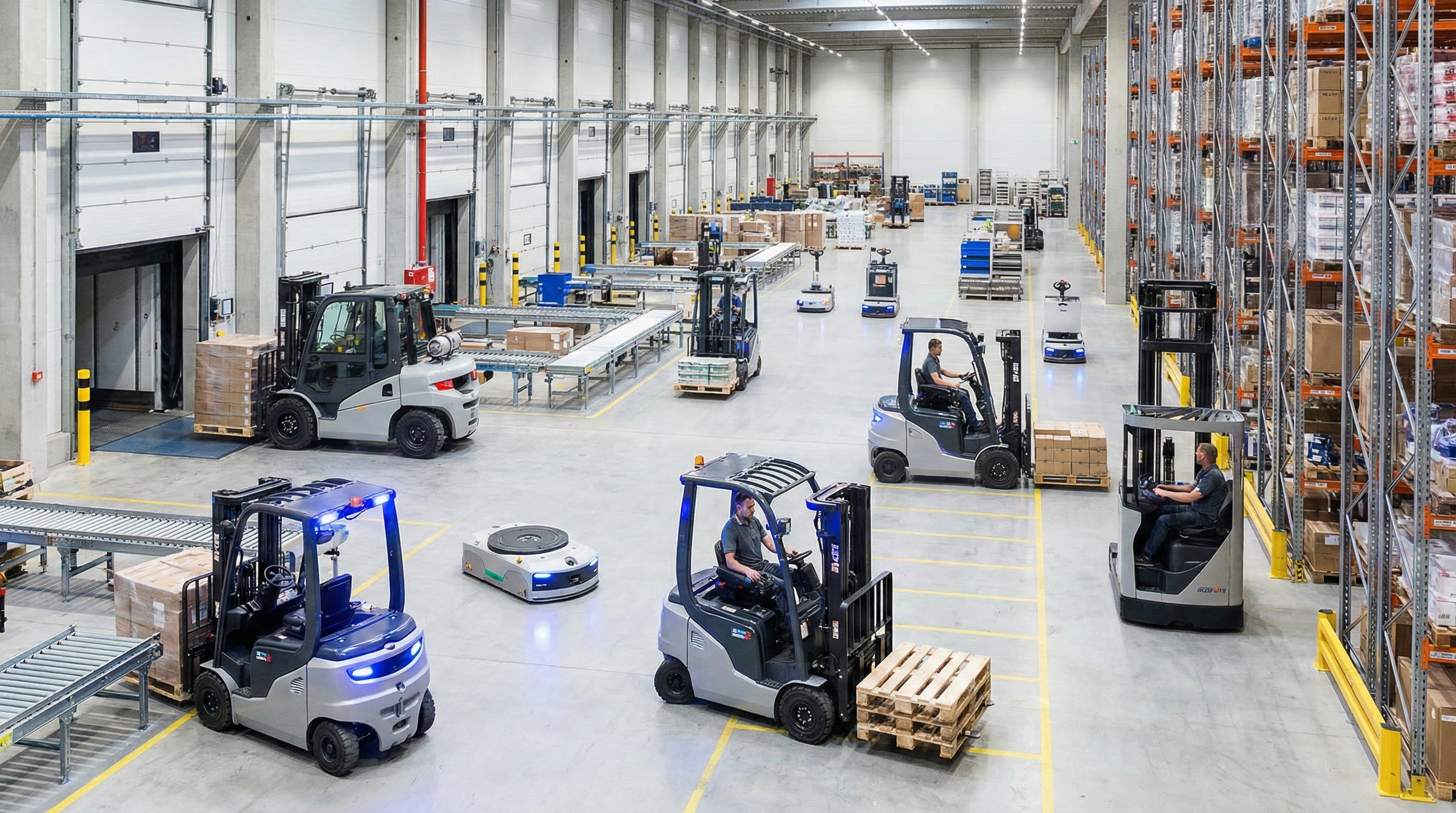
As of 2026, the industry is seeing a massive shift toward Automated Guided Vehicles (AGVs). Autonomous forklifts are no longer a novelty; they use AI and LiDAR sensors to navigate warehouses independently. These systems work alongside humans to optimize workflows, reduce accidents, and handle repetitive "pallet-shifting" tasks with 24/7 reliability.
Explore forklift types, power sources, and safety standards. The ultimate guide to improving warehouse efficiency and material handling in 2026.