


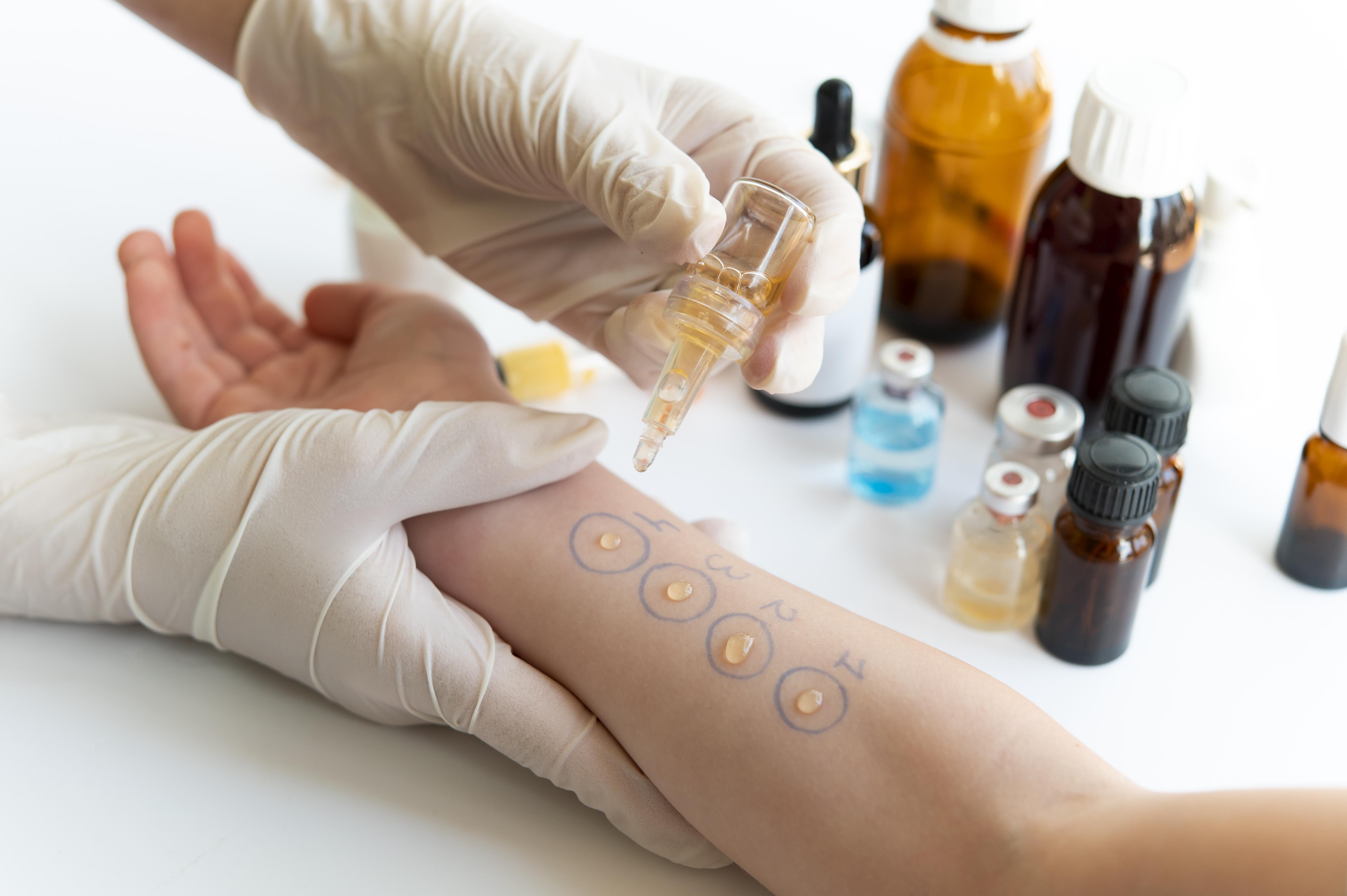
Let's be honest, nobody likes thinking about cancer. But here's something worth knowing: skin cancer is incredibly common, and when you catch it early, it's also incredibly treatable. That's where dermatologists who specialize in skin cancer come in. They're not just looking at moles and freckles; they're literally trained to spot the difference between something harmless and something that needs attention right now.
Why Early Detection Changes Everything?
Here's the deal with skin cancer: timing matters. A lot. When doctors find it early, cure rates shoot up past 95% for most types. That's huge. A skin cancer dermatologist spends years learning to recognize the tiny red flags that most of us would miss. Maybe it's how a mole's edge looks a bit fuzzy, or how the color isn't quite uniform. These specialists have seen thousands of cases, so they know what to look for.
Think about it this way: you might have a mole that looks perfectly fine to you, but a trained eye can spot subtle changes that signal trouble brewing. That's not just medical training; it's pattern recognition honed over years of practice.
What Actually Happens During a Skin Check?
So you've booked an appointment. What should you expect? Well, get ready for a thorough once-over. We're talking head to toe, and yes, that includes places you probably don't check yourself, scalp, between your toes, under your nails, even the bottoms of your feet. Skin cancer doesn't care about convenience.
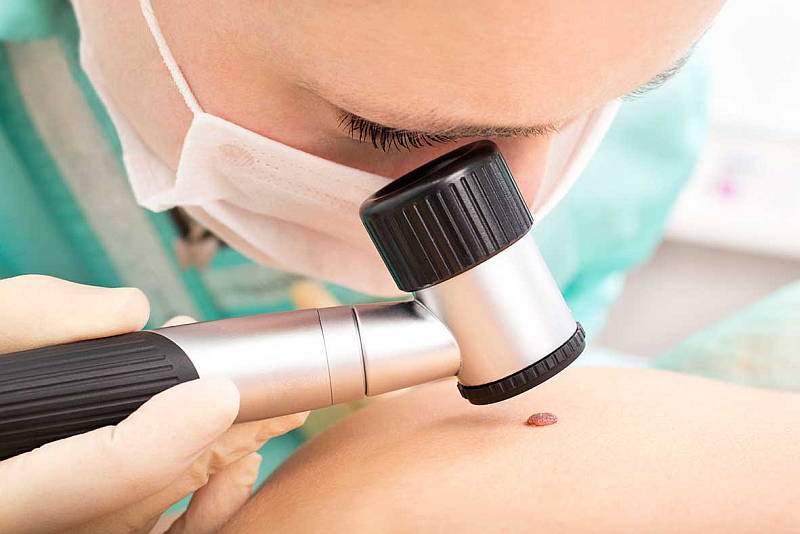
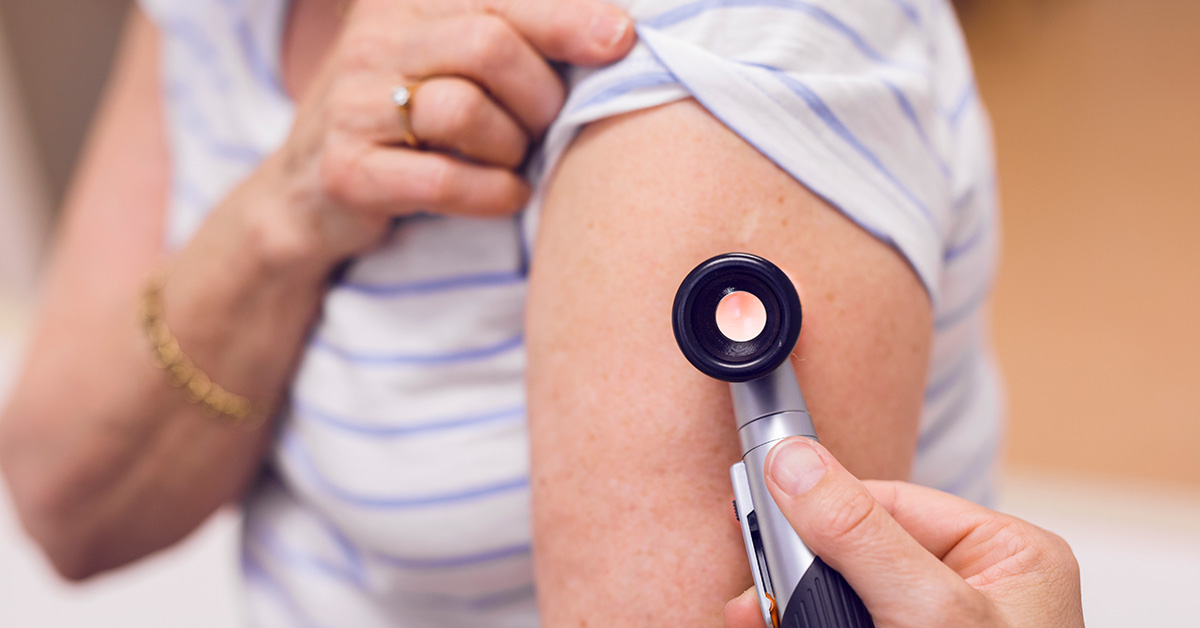
Your dermatologist might use something called a dermatoscope. It's basically a fancy magnifying tool that lets them see beneath the skin's surface without cutting anything. They're checking for the classic warning signs, asymmetry, irregular borders, weird colors, size changes, anything that's evolved recently. But experienced doctors see beyond the textbook stuff. They're catching things that don't fit the usual patterns because, surprise, cancer doesn't always follow the rules.
Getting to the Bottom of Things
Found something suspicious? Now comes the detective work. Sometimes that dermatoscope view is enough to ease concerns. Other times, they'll need a biopsy, which sounds scarier than it is. They remove a tiny piece of tissue and send it to a lab for analysis. Pretty straightforward.
Many practices now photograph your skin during visits. This creates a visual timeline of your body over months or years. It's like having a reference library that makes it way easier to spot new developments or changes in existing marks. Technology's pretty amazing when you think about it.
Treatment Options That Actually Work
Alright, so let's say the news isn't great, and you do have skin cancer. Don't panic. Your dermatologist for skin cancer will map out a treatment plan tailored to your specific situation. The type of cancer, where it's located, and how far along it is all shape what happens next.
For early catches, treatment can be surprisingly simple. Often, it's just removing the cancerous spot along with some healthy tissue around it to make sure everything's gone. There's also this technique called Mohs surgery, which is especially good for cancers on your face because it removes the cancer while saving as much healthy skin as possible. Nobody wants unnecessary scarring on their face.
More Ways to Fight Back
Looking for skin cancer treatment near you? You've got options beyond surgery. Some treatments freeze the cancer off (cryotherapy), others scrape it away, and there are even special creams for certain types. Photodynamic therapy uses light to kill cancer cells, sounds like science fiction, but it works.
For more advanced cases, treatment might involve working with cancer specialists who can prescribe immunotherapy or other systemic treatments. The good news? Treatment methods keep improving. What seemed impossible ten years ago is routine today.
Learning to Protect Yourself
Your dermatologist isn't just there to treat problems; they're also your personal skin cancer prevention coach. They'll look at your risk factors: Are you fair-skinned? Do you have a family history? Did you get terrible sunburns as a kid? Based on your situation, they'll give you specific advice that actually makes sense for your life.
If you're high-risk, maybe you've got dozens of moles, or you've already had skin cancer once, regular check-ups become even more important. These aren't just appointments; they're your early warning system. Catching changes early means dealing with small problems instead of big ones.
Finding Care That's Actually Accessible
Good news: most areas have dermatologists who handle skin cancer. You don't need to travel across the country for quality care. Having a local specialist means you can get in quickly when something comes up, and you're building a relationship with someone who knows your skin's history.
Many clinics prioritize urgent appointments for worrying spots. They get it. Waiting around when you're concerned about cancer is terrible. If something on your skin is bugging you, make the call. Better to feel a little silly about a false alarm than to wait too long on something serious.
What You Should Actually Do
Real talk: you need a skin cancer dermatologist on your team if you're serious about protecting your skin. Book yearly check-ups. Do monthly self-exams at home. See something new or changing? Don't wait, get it checked.
Skin cancer doesn't discriminate. Fair skin increases risk, sure, but people with darker skin get it too, often in places you wouldn't expect. Age matters less than you'd think. The common thread in good outcomes? People who pay attention and act quickly.
The Bottom Line
Understanding how dermatologists detect and treat skin cancer early empowers you. You're not helpless here. Regular screenings, knowing what to watch for, and having a specialist you trust, that's your defense strategy.
Most skin cancer stories have happy endings when people catch them early. That weird spot you've been ignoring? It's probably nothing. But "probably" isn't good enough when we're talking about cancer. Get it checked. Your future self will thank you.
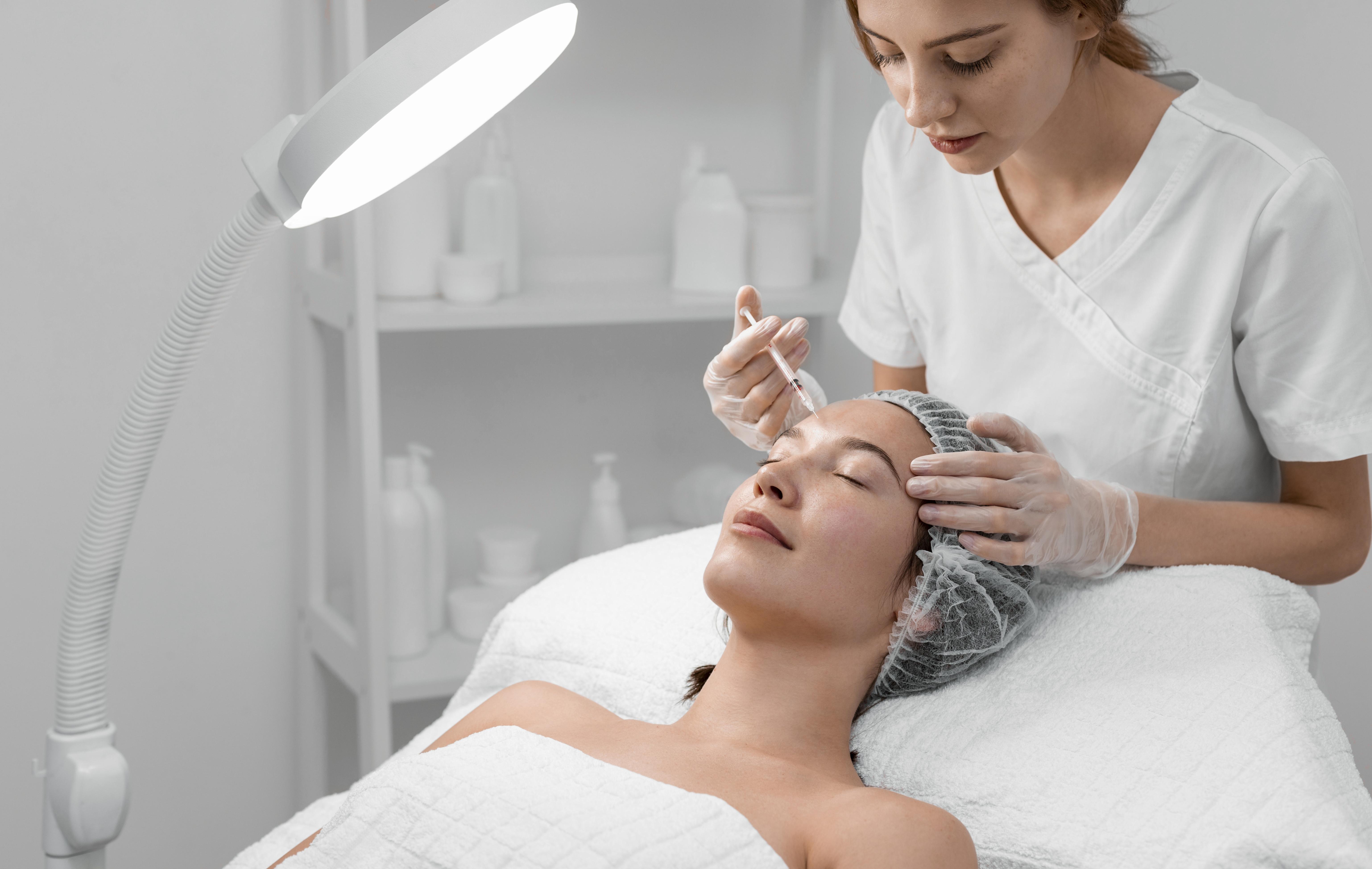
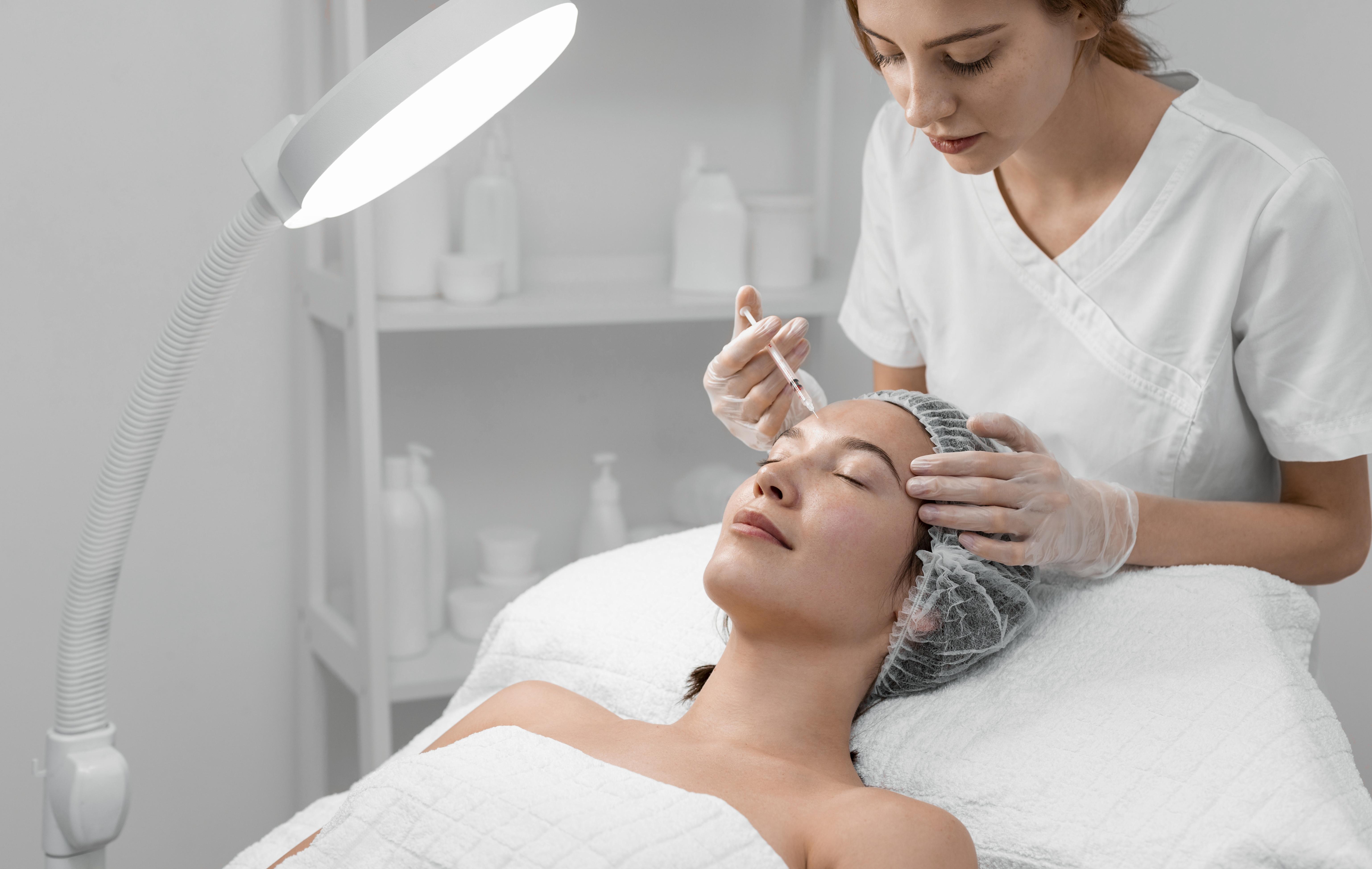
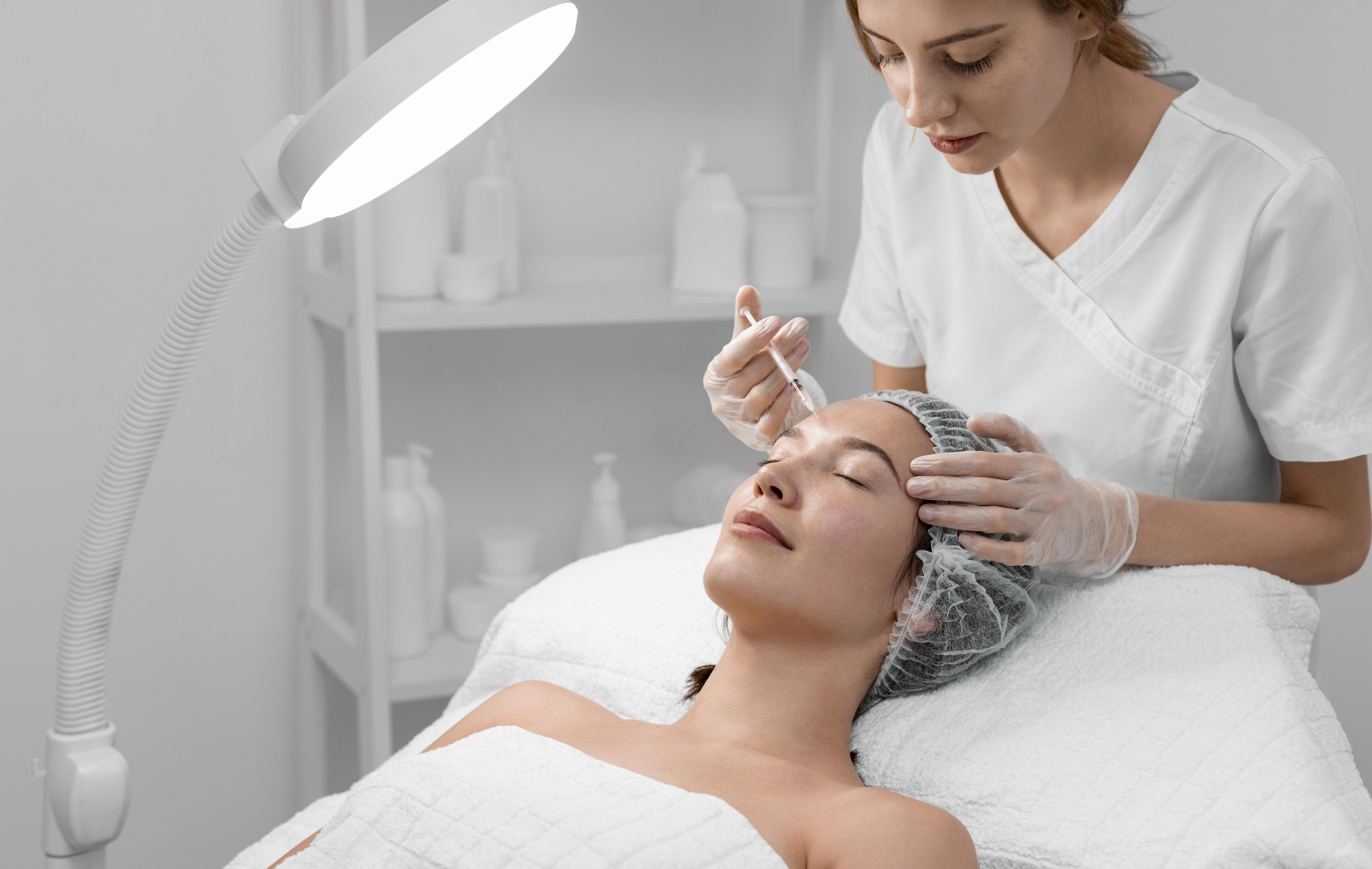
The global Skin Cancer Treatment Market research report, published by Value Market Research, is designed to offer various market framework such as market size, portion, trends, growth path, value and factors that impact the current market dynamics over the forecast period 2021-2027.
Most importantly, this report also provides the latest significant strategies adopted by major players along with their market share.The research report also covers the comprehensive profiles of the key players in the market and an in-depth view of the competitive landscape worldwide.
The major players in the skin cancer treatment market include Merck & Co., Bristol-Myers Squibb Company, Novartis AG, F. Hoffmann-La Roche Ltd., Amgen Inc., GlaxoSmithKline plc, Pfizer Inc., Sun Pharmaceutical Industries Ltd., Regeneron Pharmaceuticals, Inc.
Presently, between 2 to 3 million non-melanoma skin cancers and 132,000, melanoma skin cancers occur globally each year.
A various unified approach, comprehensive, communitywide efforts to prevent skin cancer are being implemented, which amplifies market revenue.
The report covers Porter’s Five Forces Model, Market Attractiveness Analysis and Value Chain analysis.