Aluminium sliding windows have become a hallmark of modern architectural design, favoured by homeowners and commercial property managers alike for their premium build, sleek aesthetics, and remarkable durability. Renowned as some of the best aluminium windows available, they blend form and function, adding a contemporary flair to interiors while ensuring excellent long-term performance. Yet, like any mechanical system exposed to daily use and varied environmental conditions, sliding aluminium windows can encounter problems that affect their function and appearance.
This comprehensive guide will walk you through the common issues these windows encounter and provide practical, easy-to-follow solutions to help maintain the elegance and efficiency of your slim aluminium windows.
Why Choose Aluminium for Windows?
Aluminium has rightfully earned its place as a top choice for window frames due to several intrinsic properties that make it uniquely suited for sliding window applications. Its strength-to-weight ratio allows manufacturers to design slim frames that do not compromise robustness or structural integrity.
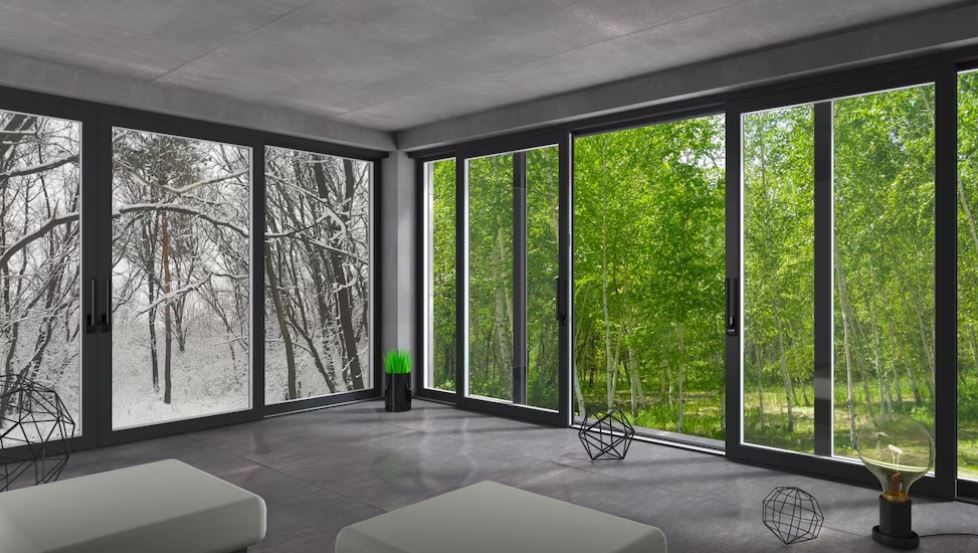
This minimalistic framing maximises glass area, flooding interiors with natural light and offering unobstructed expansive views compared to bulkier materials. Another compelling advantage is aluminium’s inherent resistance to rust and corrosion, ensuring that your premium aluminium windows withstand years of exposure to rain, wind, and sun without deteriorating.
Maintenance is also a breeze with aluminium; it does not warp, swell, or crack like wood, nor does it require frequent painting or sealing. When paired with advanced glazing, aluminium frames deliver excellent thermal insulation to help reduce energy bills as well as superior acoustic insulation to create quieter, more serene interiors.
Common Problems and How to Fix Them
Despite these remarkable advantages, aluminium sliding windows can experience a handful of common issues. Addressing these in a timely manner prevents small inconveniences from turning into expensive repairs.
1. Difficulty in Opening and Closing
One of the most typical issues users report is that sliding aluminium windows start to stick or become difficult to open and close over time. This is often caused by the accumulation of dirt, debris, or even rust within the tracks and rollers. Regular cleaning is essential: remove debris with a vacuum cleaner or a soft brush, then wipe the track with a damp cloth. To maintain smooth, effortless sliding, apply a silicone-based lubricant periodically. Avoid oil-based lubricants, as they tend to attract dust and grime, which worsens the problem.
If the window still doesn’t glide smoothly after cleaning and lubrication, inspect the rollers beneath the sash. Worn-down or misaligned rollers can cause resistance. Roller wheels are typically easy to replace and come in various sizes, specifically designed for each window model. Adjusting or replacing these rollers restores smooth movement, extending the operational lifespan of slim aluminium windows.
2. Drafts and Water Leaks
Air and water infiltration are not just discomforts; they also lead to higher energy costs and potential water damage. These issues generally arise from damaged or degraded sealing around the window frame. Inspect all weatherstripping and perimeter seals frequently and replace any that show signs of wear, shrinkage, or cracking. Modern premium aluminium windows often feature multi-point locking systems, which improve frame closure precision, significantly enhancing airtightness and waterproofing.
A quick and effective weather seal can be installed using quality silicone or EPDM rubber gaskets, ensuring your window maintains its insulation properties and prevents drafts. If water leaks are persistent despite good sealing, it may be worthwhile to check the window frame installation. Improper fitting, especially in older installations, can create gaps that allow water to pass through. In such cases, professional intervention may be required to re-seal or refit the unit.
3. Condensation Build-up
Condensation between or on glass panes can be a frustrating problem that compromises visibility and promotes mold growth if unattended. Usually, condensation inside double or triple glazing indicates a failure of the seal around the glass panes, allowing moisture to enter the glazing cavity. This failure reduces the window’s insulating ability, leading to thermal inefficiencies.
To mitigate condensation, maintain proper indoor ventilation to regulate humidity levels. Use exhaust fans in moisture-prone areas like kitchens and bathrooms. Ensure that window seals are intact and immediately replace any compromised seals to prevent moisture ingress. If condensation persists within sealed units, professional reglazing or glass replacement is typically required to restore full performance.
4. Lock Malfunctions
A crucial security feature, the locking mechanism on sliding aluminium windows is vulnerable to wear and dirt build-up, which can cause jamming or failure to lock properly. Dirt accumulation within locks can be cleaned with compressed air or brushes. Applying graphite powder (instead of oil) lubricates the lock mechanism effectively without attracting dust.
If lock misalignment is the problem, a gentle adjustment to realign the lock with its catch may be necessary. In case of damaged parts, lock replacement ensures continued safety and prevents unauthorized access.
Maintaining Your Sliding Aluminium Windows
Proper routine maintenance is the key to preserving the functionality and appearance of your aluminium sliding windows:
- Regular Cleaning: Wipe glass monthly with a mild detergent and clean the frame surfaces biannually to prevent the build-up of dirt and allergens.
- Track Maintenance: Clear window tracks of dust and debris quarterly, and lubricate the rollers and tracks twice a year with silicone-based lubricants.
- Hardware Inspection: Check locking mechanisms, handles, and balances annually to ensure they operate smoothly, lubricating or repairing as necessary.
- Seal Checks: Conduct seasonal inspections for weatherstripping and silicone seals, replacing worn or damaged parts to avoid drafts and leaks.
Conclusion
Eternia aluminium sliding windows offer a perfect blend of strength, sleek design, and advanced features, making them an ideal choice for contemporary living spaces. Eternia windows provide exceptional durability, cyclone resistance, and minimal sightlines to maximise natural light and views. Their smooth sliding mechanism, enhanced security features, and excellent thermal and acoustic insulation contribute to their premium status. By choosing Eternia and maintaining regular care, your sliding aluminium windows will deliver lasting elegance, energy efficiency, and reliable performance for years to come.