


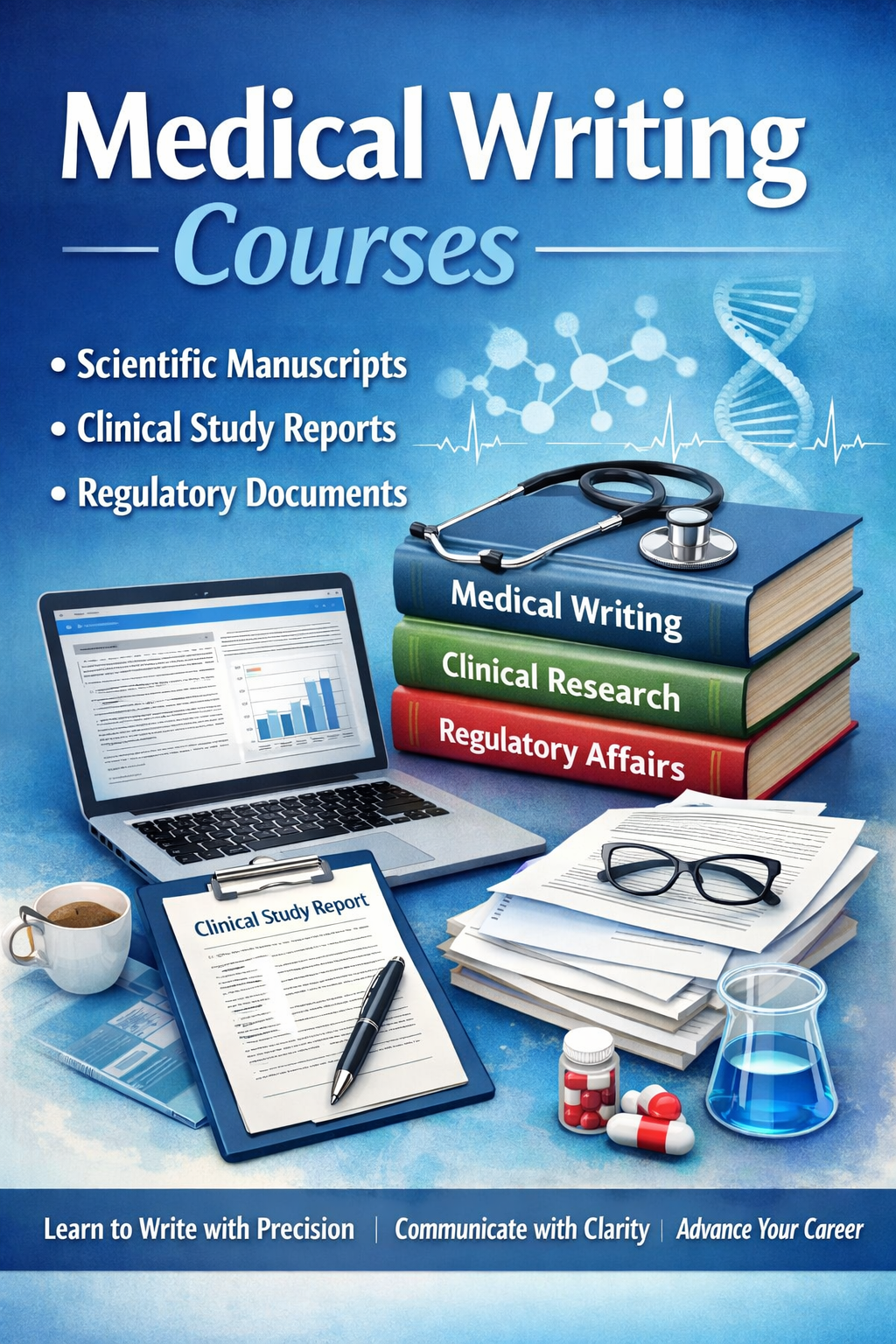
Medical writing is one of the fastest-growing career options in the life sciences and healthcare industry. With the increasing demand for accurate medical documentation, regulatory submissions, clinical research reports, and scientific publications, trained medical writers are highly valued across pharmaceutical companies, CROs, hospitals, and healthcare startups. This growing demand has made medical writing courses an essential stepping stone for students and professionals looking to enter or advance in this field.
What Are Medical Writing Courses?
Medical writing courses are structured training programs designed to teach individuals how to create clear, accurate, and compliant medical and scientific documents. These courses cover both the scientific knowledge and writing skills required to communicate complex medical information effectively to different audiences, including healthcare professionals, regulators, and the general public.
A well-designed medical writing course focuses on writing styles, regulatory guidelines, ethical standards, and practical documentation skills used in real-world projects.
Who Can Enroll in Medical Writing Training?
One of the biggest advantages of medical writing training is its wide eligibility. These courses are ideal for:
Pharmacy graduates (BPharm, MPharm, PharmD)
Life science graduates (Biotechnology, Microbiology, Biochemistry)
Medical graduates (MBBS, BDS, BAMS, BHMS)
Clinical research professionals
Healthcare and science professionals seeking career transition
Even fresh graduates can build a successful career by enrolling in the right medical writing course.
Key Topics Covered in Medical Writing Courses
Comprehensive medical writing courses online and offline typically include the following modules:
Introduction to Medical Writing
Overview of medical writing types, roles, and career paths.
Scientific Writing Fundamentals
Grammar, structure, clarity, referencing, and plagiarism prevention.
Clinical Research Documents
Protocols, informed consent forms, clinical study reports, and case report forms.
Regulatory Writing
Common Technical Document (CTD), Investigator’s Brochure, and regulatory submissions.
Publication Writing
Manuscripts, review articles, abstracts, posters, and journal selection.
Pharmacovigilance and Safety Writing
Adverse event reports, PSURs, DSURs, and risk management plans.
Medical Communications
Patient education materials, healthcare blogs, and marketing content.
Ethics and Compliance
ICH-GCP, regulatory guidelines, and ethical writing practices.
Benefits of Medical Writing Courses Online
With the rise of digital education, medical writing courses online have become extremely popular. These programs offer flexibility and accessibility, especially for working professionals.
Key benefits include:
Learn from anywhere with flexible schedules
Access to recorded sessions and study materials
Hands-on assignments and real-time projects
Industry-relevant curriculum
Cost-effective compared to classroom training
Online medical writing training allows learners to balance education with work or studies without compromising on quality.
Career Opportunities After Medical Writing Training
Completing professional medical writing courses opens doors to a wide range of career opportunities such as:
Medical Writer
Regulatory Medical Writer
Clinical Research Writer
Scientific Content Writer
Medical Communications Specialist
Freelance Medical Writer
Medical writers are employed by pharmaceutical companies, CROs, regulatory consultancies, medical journals, healthcare websites, and digital health platforms.
Skills You Gain from Medical Writing Courses
A good medical writing training program helps you develop both technical and soft skills, including:
Scientific and analytical thinking
Clear and concise writing ability
Knowledge of regulatory guidelines
Research and data interpretation skills
Attention to detail and accuracy
Time management and project handling
These skills are highly transferable and valuable across multiple healthcare domains.
Why Choose Professional Medical Writing Training?
Self-learning may provide basic knowledge, but structured medical writing training ensures practical exposure, expert guidance, and industry readiness. Professional courses often include case studies, live projects, certification, and career guidance, which significantly improve employability.
Conclusion
Medical writing is a rewarding and stable career option for science and healthcare professionals. With the right medical writing courses, you can gain industry-relevant skills, work on diverse projects, and build a successful career in pharmaceutical, clinical, and healthcare communication fields. Whether you choose classroom learning or medical writing courses online, proper training is the key to standing out in this competitive domain.
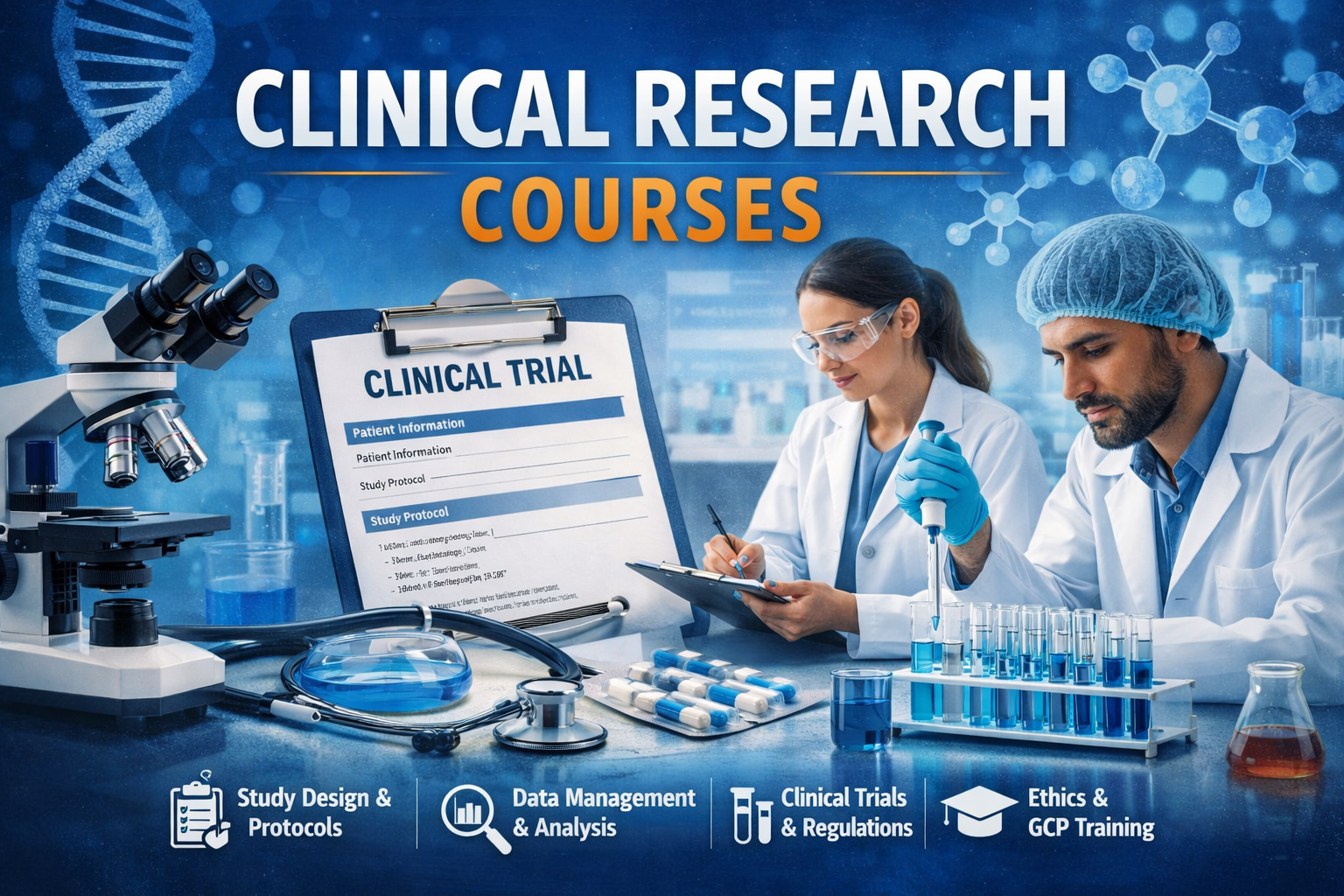
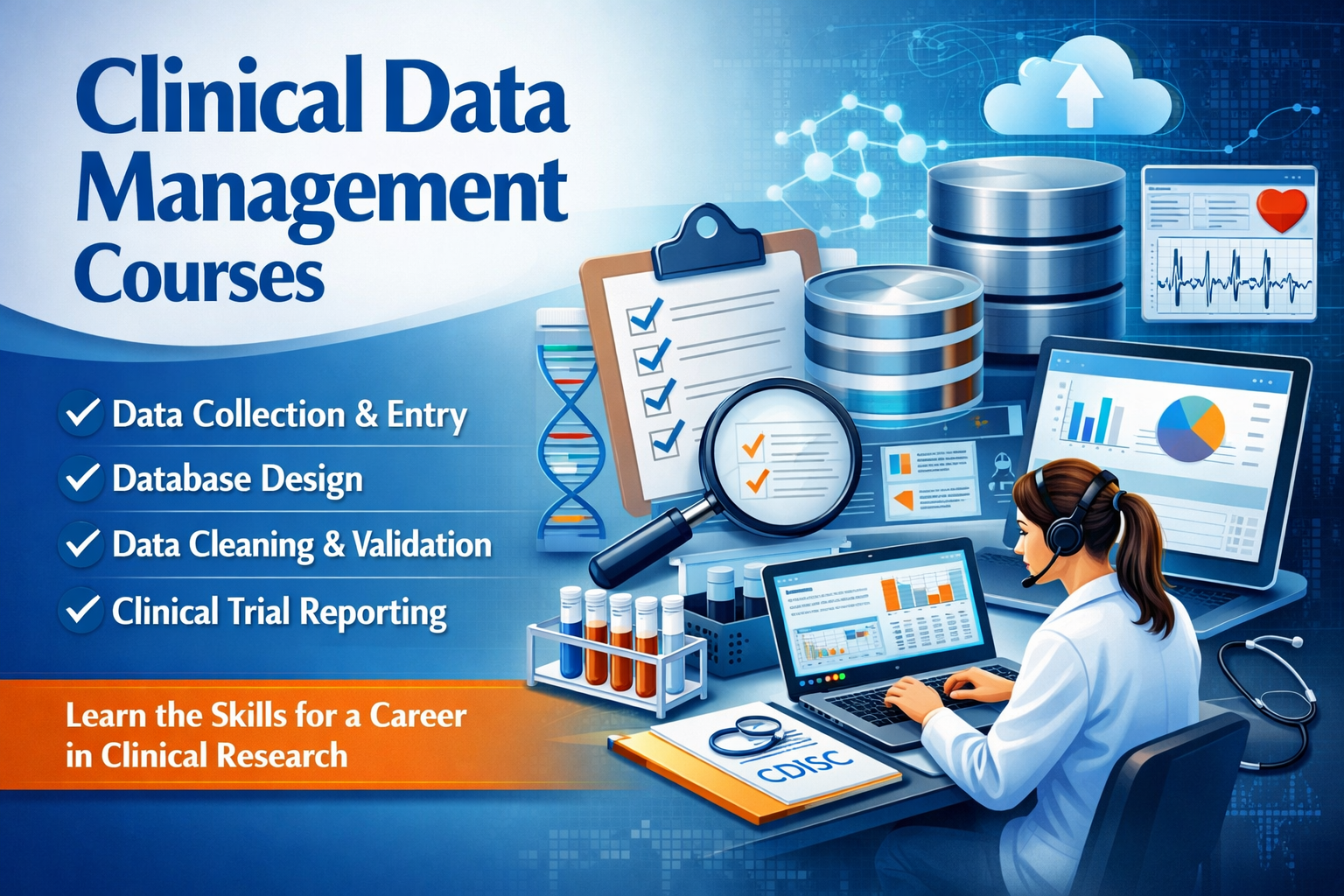
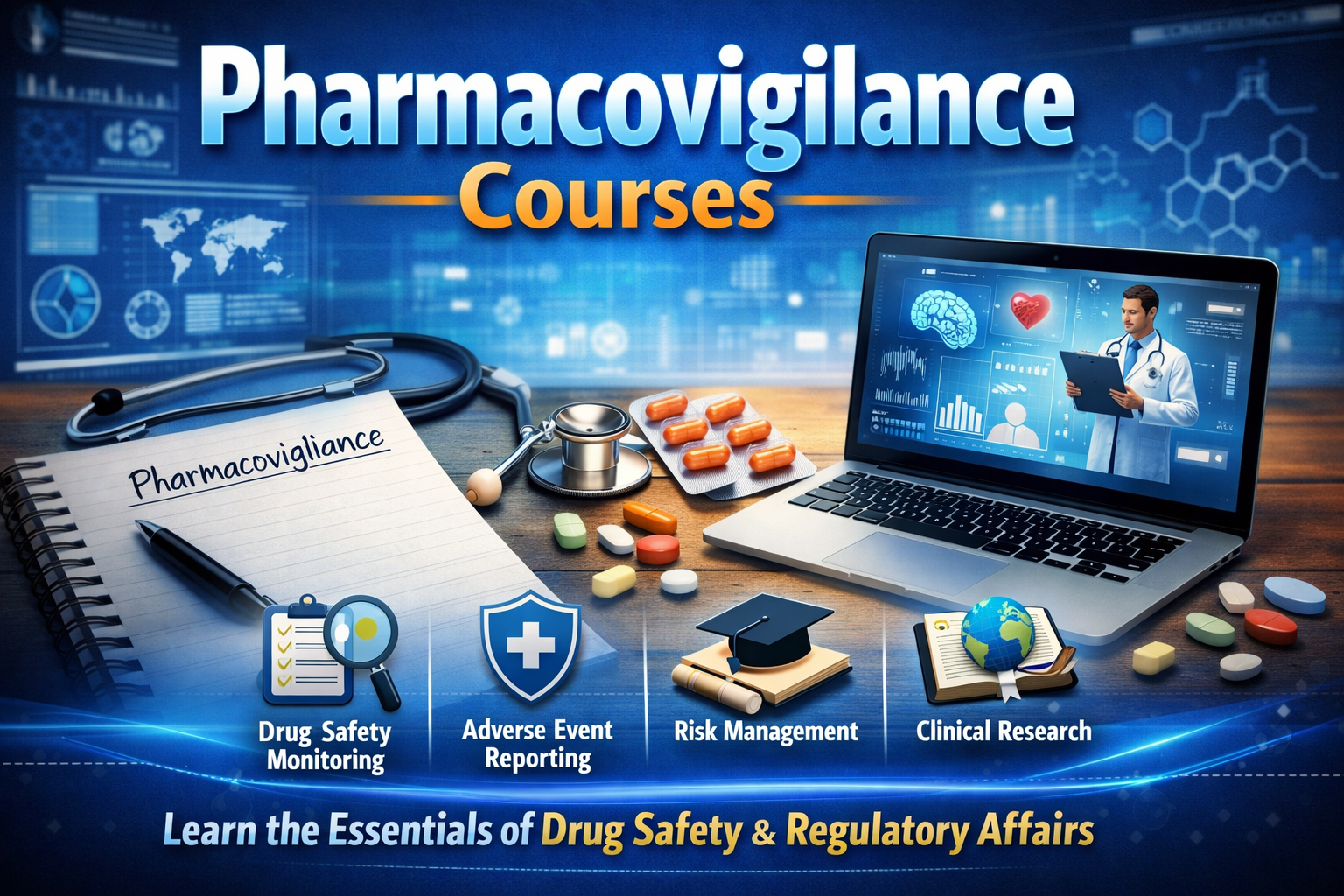
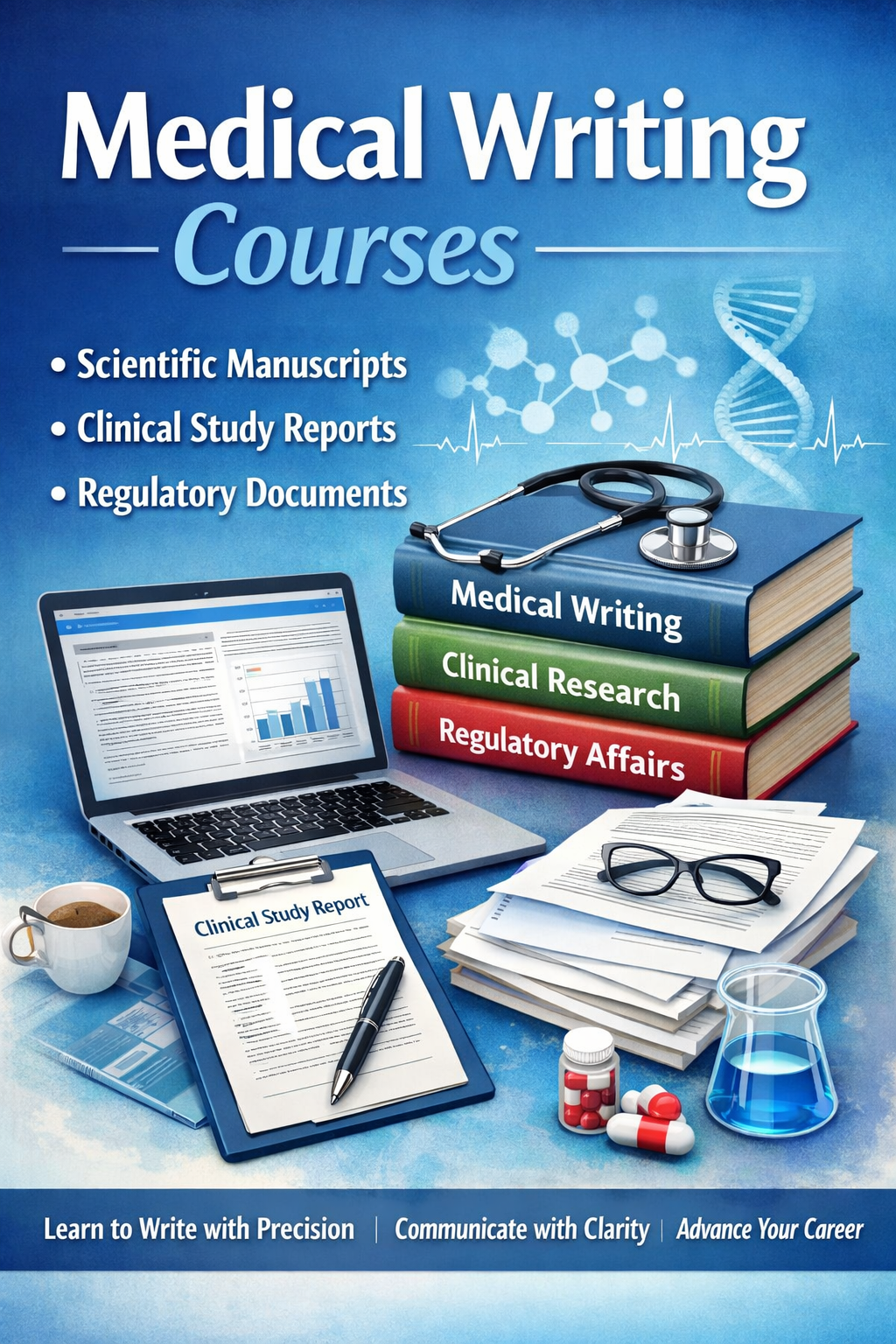


Medical Manuscript writing can be overpowering, however, there are some dependable methods and inventive tips that can drastically work on the interaction.We dug the writing for methodologies in addition to uncovering a few stunts from our prepared authors to assist you with getting your composition composed and distributed.In this record, we concentrated on compositions since they are one of the most well-known kinds of clinical composition.
Notwithstanding, these are procedures that can be helpful for any clinical composing project.What is good medical writing?At the point when you're composing for a logical crowd compose considering three C's:Clear: Don't be equivocal or take a subtle approach with anything.Compact: Use brief, basic language and keep away from reiteration/repetition.Right: Be exact, and don't exaggerate the meaning of your outcomes.Great clinical composing is never more convoluted than it should be.
The appropriate response is basic: it isn't.Great composing has an objective and an interest group and they will impact how you compose, paying little mind to what you're composing.
These qualifications have significant ramifications for how your art and present your material.A layout ought to be an undeniable spot to begin, yet you wouldn't believe how regularly this progression is skipped.The most effective method to structure your average composition diagram Whenever the situation allows before you start your blueprint you ought to comprehend the arranging necessities for your designated distributor.Numerous distributors determine unique headings and have explicit necessities for what can (and can't) be remembered for the body of your text.Utilize the layout as a way of reducing the examination you'll have to do as you compose.TheoreticalIt is an awful unavoidable truth: the theoretical is frequently the main piece of a paper that at any point gets perused.
Contemplate the watchwords you'd use to look for your paper and record them.Catchphrases that are broader will expand the number of list items your paper will show up in.
"Characterize your objectiveIs your objective to introduce new examination information or to give a meta-investigation of existing information?