As electricity prices continue to climb and the global shift toward renewable energy accelerates, the question is no longer whether to go solar, but exactly how much solar you need. For those in the Southern Hemisphere currently facing the peak of a record-breaking summer, this decision is more critical than ever. High temperatures mean air conditioners are working overtime, and without a properly sized solar array, utility bills can skyrocket. Industry leaders like Cyanergy have noted that the "standard" system sizes of the past are quickly becoming outdated. Modern households, with their increasing reliance on electric vehicles and smart appliances, now require a more strategic approach to system sizing to ensure they aren't still relying on the grid during peak daylight hours.
Finding Your "Magic Number"
To calculate your panel requirements, you first need to identify your average daily energy consumption, measured in kilowatt-hours (kWh). You can find this on your latest electricity bill. In Australia, a typical medium-sized family uses between 15 kWh and 25 kWh per day.
However, the number of panels you need isn't just about matching your current usage; it’s about "future-proofing." If you plan to add a swimming pool, an electric vehicle charger, or a larger ducted air conditioning system in the next few years, you should size your system for that future demand today.
The Shift from 6.6kW to 10kW Systems
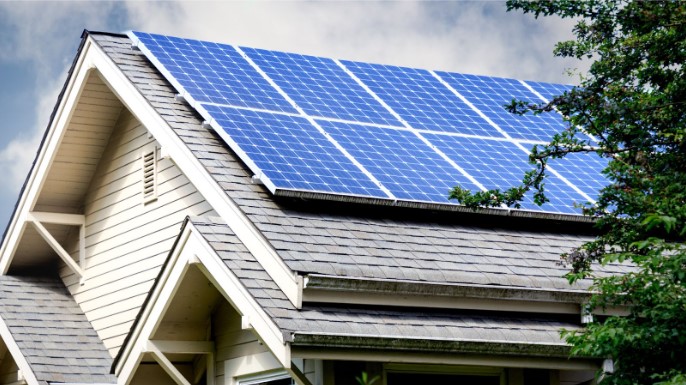
For nearly a decade, the 6.6kW system (roughly 15 to 18 panels) was considered the "Goldilocks" size for most residential properties. It was affordable and covered the basic needs of a three-bedroom home. However, as panel efficiency has increased and installation costs have balanced out, many experts now recommend a 10kW system as the new residential standard.
Choosing the right capacity involves balancing your roof space with your energy goals. If you are struggling to visualize how many modules will actually fit on your roof, it is helpful to consult a detailed breakdown of how many solar panels you actually need based on modern 440W+ panel technology. This helps you understand the physical footprint required - typically around 2 square meters per panel - and how orientation (North vs. West) impacts your total yield.
Key Factors That Influence Panel Count:
Panel Wattage: High-efficiency panels (440W to 470W) produce more power in less space. If you have a small roof, investing in higher-wattage panels allows you to reach your energy goals with fewer units.
Geographic Location: A house in sun-drenched Brisbane or Perth will generate more power per panel than a similar house in Hobart or Melbourne.
Self-Consumption vs. Export: If you are home during the day (working from home or running the AC), you want a larger system to cover that immediate load. If you are out all day, you might prioritize a system size that pairs well with a battery.
Conclusion
The "perfect" number of solar panels is unique to every household. By starting with your current energy bill and factoring in your future lifestyle changes, you can design a system that offers the best return on investment. Solar is a 25-year investment; sizing it correctly today ensures that you remain energy-independent for decades to come.