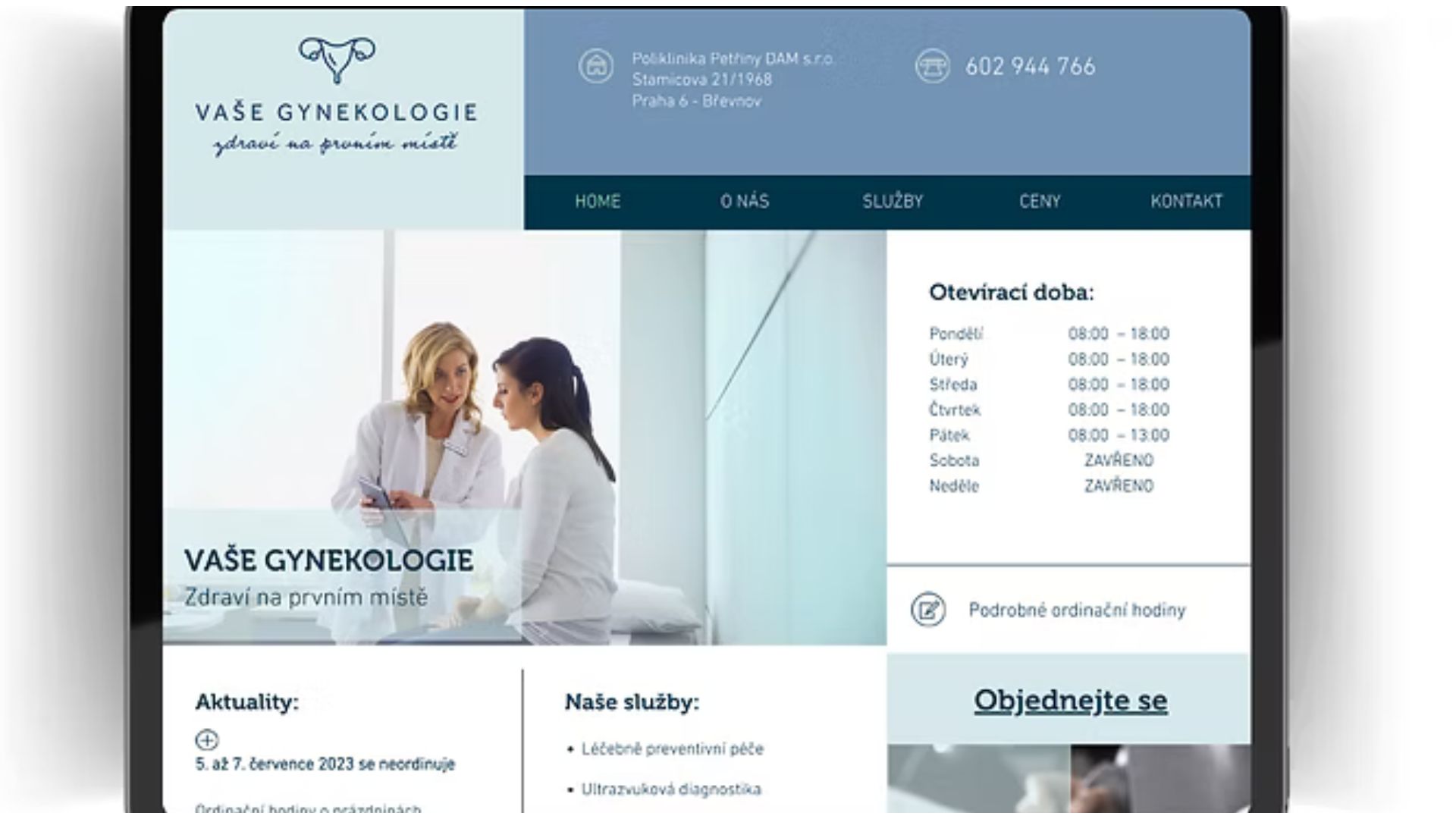
In the modern healthcare landscape, patients increasingly turn to the internet to research symptoms, find providers, and book appointments. Clinics and hospitals that do not have a strong digital presence risk losing potential patients to competitors who are visible, accessible, and trustworthy online.
Digital marketing is no longer optional for healthcare providers—it’s a necessity. A well-planned strategy ensures that patients find relevant services, trust your brand, and engage with your clinic or hospital. From search engine optimization (SEO) to social media, content marketing, and online reputation management, digital marketing strategies help healthcare providers reach patients effectively and grow their practice.
Why Digital Marketing is Essential for Healthcare Providers
Patients Begin Their Journey Online
Today, patients no longer rely solely on word-of-mouth or traditional directories to find healthcare services. Most start with a Google search for symptoms, treatments, or local clinics.
Healthcare providers that implement digital marketing strategies increase their visibility and are more likely to be discovered by patients actively seeking care. By aligning online presence with patient intent, clinics can connect with patients at the critical moment they need care most.
Building Trust and Credibility
A professional, informative, and user-friendly online presence is critical in building patient trust in healthcare providers. Patients often form judgments about credibility within seconds of visiting a website. Digital marketing helps convey expertise, reliability, and compassion through consistent messaging, quality content, and visual professionalism.
Staying Competitive
The healthcare market is highly competitive. Providers without a strong digital presence risk losing patients to competitors who are visible, active, and engaging online. Healthcare digital marketing strategies allow providers to remain competitive while attracting new patients.
Core Digital Marketing Strategies for Healthcare Providers
1. Search Engine Optimization (SEO)
SEO is the foundation of any digital marketing strategy. It ensures that patients can find your clinic when searching for relevant services online.
Keyword Research
Identify keywords that patients use, including symptoms, treatments, and local search phrases. Focus on long-tail healthcare keywords like “pediatric clinic near me” or “diabetes care specialist in [City]” to capture high-intent patients.
On-Page SEO
Optimize each webpage with clear headings, meta titles, meta descriptions, and internal links. On-page SEO for healthcare providers ensures both search engines and patients can navigate and understand your site easily.
Local SEO
Most healthcare searches are location-specific. Optimizing Google Business Profiles, maintaining consistent NAP listings across directories, and encouraging patient reviews improves local search visibility for clinics and hospitals.
2. Content Marketing
Providing educational and informative content is critical for attracting and engaging patients.
Blog Posts and Articles
Publish blogs on conditions, treatments, wellness tips, and preventive care. High-quality healthcare content marketing positions your practice as an authority and improves SEO.
Service Pages
Create clear, detailed pages for each service you offer. Explain procedures, benefits, and what patients can expect. Patient-centered content enhances trust and conversion rates.
Multimedia Content
Use videos, infographics, and downloadable guides to explain complex topics. Visual healthcare content improves engagement and accessibility while supporting SEO efforts.
3. Social Media Marketing
Social media allows healthcare providers to connect with patients, share valuable information, and build a trusted online presence.
Post educational content, updates, and wellness tips to strengthen social media engagement for healthcare.
Share patient stories and testimonials to humanize your brand and improve patient trust online.
Platforms like Facebook, Instagram, LinkedIn, and TikTok help reach different patient demographics and drive website traffic.
4. Email Marketing
Email campaigns are an effective way to nurture patient relationships and encourage follow-ups.
Send appointment reminders, health tips, and newsletters to maintain patient engagement.
Segment email lists by patient needs for personalized content, improving click-through rates and online patient retention.
Automate campaigns to ensure timely communication while reducing administrative burden.
5. Paid Advertising (PPC)
Paid ads can complement organic strategies by targeting patients actively searching for care.
Google Ads
Promote services and target keywords that reflect patient intent. Ads can appear in local search results, driving high-quality traffic.
Social Media Ads
Platforms like Facebook and Instagram allow precise targeting based on location, demographics, and interests. Paid digital marketing for healthcare ensures visibility to patients ready to schedule care.
Retargeting Campaigns
Retarget visitors who previously engaged with your website to remind them of services and encourage appointments. This strategy improves patient conversion rates online.
6. Online Reputation Management
Patients often consult online reviews before choosing a provider. A strong reputation influences both trust and search rankings.
Encourage satisfied patients to leave reviews on Google, Healthgrades, and social media.
Respond professionally to feedback, showing patients you value their input.
Positive reviews improve online credibility for healthcare providers and support local SEO.
7. Website Optimization and User Experience (UX)
A professional website enhances credibility and encourages patient engagement.
Mobile Responsiveness
With many patients using smartphones to search for care, a mobile-friendly site is essential. Responsive healthcare websites improve usability and patient satisfaction.
Fast Loading Speed
Optimized images, efficient coding, and reliable hosting improve site speed, reducing bounce rates and enhancing website performance for healthcare.
Clear Navigation
Intuitive menus, search functionality, and visible calls-to-action help patients find information quickly, improving patient experience online.
Accessibility
Inclusive design ensures all patients, including those with disabilities, can navigate the website easily. Accessible healthcare websites build trust and compliance.
8. Analytics and Continuous Improvement
Digital marketing is an ongoing process. Monitoring performance and making data-driven improvements ensures continued success.
Key Metrics to Track
Website traffic and organic search rankings
Click-through and conversion rates
Appointment requests and form submissions
Social media engagement and reach
Healthcare digital analytics helps providers understand which strategies work and identify areas for improvement.
Regular Updates
Update content, campaigns, and website elements regularly to reflect patient needs and trends. Continuous optimization improves online visibility and patient acquisition.
Common Mistakes to Avoid in Healthcare Digital Marketing
Ignoring SEO and local search – reduces discoverability
Outdated or inaccurate content – undermines credibility
Neglecting mobile UX – frustrates users and reduces conversions
Lack of social media engagement – misses opportunities to build relationships
Failing to respond to reviews – damages patient trust and reputation
Frequently Asked Questions (FAQs)
Why is digital marketing important for healthcare providers?
It helps clinics reach patients online, build trust, and improve engagement and appointment bookings.
How does SEO benefit healthcare providers?
SEO improves visibility in search results, helping patients find services and increasing website traffic.
What types of content work best for healthcare digital marketing?
Educational articles, service pages, patient resources, videos, and infographics are most effective.
Can social media influence patient trust?
Yes. Informative and engaging social content builds credibility and strengthens patient-provider relationships.
How do you measure the success of digital marketing?
Track website analytics, search rankings, appointment requests, and social engagement metrics to measure impact.
Conclusion
Digital marketing is no longer optional for healthcare providers. It is essential to reaching patients, building trust, and increasing engagement. Implementing strategies such as SEO, content marketing, social media, email campaigns, paid advertising, reputation management, and website optimization ensures that clinics and hospitals are visible, credible, and patient-focused.
A comprehensive digital marketing approach not only improves patient acquisition but also strengthens relationships with existing patients, establishes your practice as a trusted authority, and drives sustainable growth in the competitive healthcare industry.