




Jewelry tarnish is one of the most misunderstood topics in the jewelry industry. Many sellers oversimplify it—or avoid explaining it altogether—because the truth challenges common marketing promises like “never tarnishes” or “maintenance-free jewelry.”
In reality, tarnish is not a defect. It is a predictable chemical process influenced by metal composition, environment, wear patterns, and design choices.
This guide explains why jewelry tarnishes, what sellers often leave out, and how informed buyers can choose jewelry that ages honestly and beautifully.
1. What Is Jewelry Tarnish?
Jewelry tarnish is a surface-level chemical reaction that occurs when certain metals interact with oxygen, sulfur compounds, moisture, or acids in the environment.
Unlike rust, which destroys metal, tarnish is typically superficial. It forms a thin layer on the surface that can often be polished away.
Common signs of tarnish include:
Darkening or dullness
Yellow, gray, or black discoloration
Loss of shine or reflectivity
Tarnish does not mean the jewelry is fake. In fact, it often confirms the presence of real precious metal.
2. Why Jewelry Tarnish Happens
At the core of jewelry tarnish is chemistry.
Metals like silver and copper are reactive. When exposed to air and sulfur-containing compounds, they form silver sulfide or copper oxide on the surface.
Key contributors include:
Oxygen in the air
Sulfur from pollution, food, or skin
Humidity and moisture
Skin acids and sweat
This means tarnish is not random—it is environmental and inevitable for certain metals.
3. The Truth About “Never Tarnish” Jewelry Claims
Many brands advertise jewelry as “never tarnishing.” This claim is misleading.
What they often mean is:
The jewelry is heavily plated
The base metal is non-reactive (like stainless steel)
The item has not yet been worn long enough
Plating delays tarnish—it does not eliminate it. Once plating wears down, the underlying metal reacts normally.
Understanding jewelry tarnish helps buyers distinguish marketing language from material reality.
4. Which Metals Tarnish—and Which Don’t?
Not all metals behave the same way.
Sterling Silver (92.5% silver): Tarnishes due to copper content
Gold (14K, 18K): Does not tarnish, but can dull over time
Platinum: Does not tarnish
Stainless Steel: Highly resistant
Sterling silver tarnish is expected and manageable—especially with proper design and finishing.
5. Jewelry Tarnish Is Also About How Jewelry Is Worn
Jewelry tarnish is not only about metal—it’s about exposure.
Rings: High friction, water, soap, and impact
Earrings: Minimal exposure, low friction
Pendants & Necklaces: Stable, low contact
This explains why rings tarnish and wear faster, while earrings and pendants maintain their finish longer.
Many experienced buyers intentionally build collections starting with earrings and pendants before committing to daily-wear rings.
6. How Plating Affects Jewelry Tarnish
Modern jewelry often uses protective plating, such as rhodium plating on sterling silver.
Plating:
Creates a barrier between metal and air
Enhances brightness and color
Delays tarnish formation
However, plating wears over time—especially on rings. Earrings and pendants retain plating much longer.
7. Does Jewelry Tarnish Mean Poor Quality?
No. Tarnish does not equal low quality.
In many cases, fast tarnish occurs because:
The metal is genuine
The wearer has acidic skin chemistry
The jewelry is worn daily
High-quality jewelry ages predictably. Cheap jewelry often avoids tarnish only because it contains no real metal at all.
8. How to Reduce Jewelry Tarnish (Without Obsessive Cleaning)
While tarnish cannot be fully avoided, it can be slowed.
Store jewelry in airtight bags
Avoid moisture and chemicals
Wear jewelry regularly (skin oils slow oxidation)
More importantly, choose designs that naturally experience less stress.
Reducing Jewelry Tarnish Starts With Smarter Jewelry Choices
Earrings and pendants experience less friction and exposure than rings, making them ideal for sterling silver and plated designs.
Well-designed jewelry reduces maintenance demands through intelligent structure—not unrealistic promises.
9. Jewelry Tarnish vs Patina: Aging Gracefully
Some collectors value patina—the soft, natural aging of metal.
Patina differs from neglect. It reflects time, wear, and authenticity.
Understanding this distinction changes how people perceive tarnish: from flaw to character.
10. Final Thoughts: Jewelry Tarnish Is Not the Enemy
Jewelry tarnish is a natural consequence of real materials interacting with the real world.
Rather than fearing it, informed buyers choose:
Honest materials
Appropriate jewelry types
Designs meant for realistic wear
That is the difference between disposable accessories and jewelry meant to last.
From Understanding Jewelry Tarnish to Choosing Better Jewelry
Once you understand why jewelry tarnishes, buying jewelry becomes rational—not emotional.
Smart collections often begin with earrings and pendants, then expand into rings built for durability.
Jewelry that ages honestly does not disappoint—it educates.
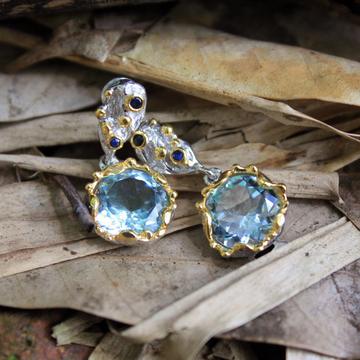
Our beloved mystical, and sometimes a bit naughty, Alice Collection is dedicated to the Mystery of Life as we see it.
Inspired by the enigmatic depth of the occult side of life.Shop the latest alice jewellery online with a wide range of unique and best designs you will love to wear.
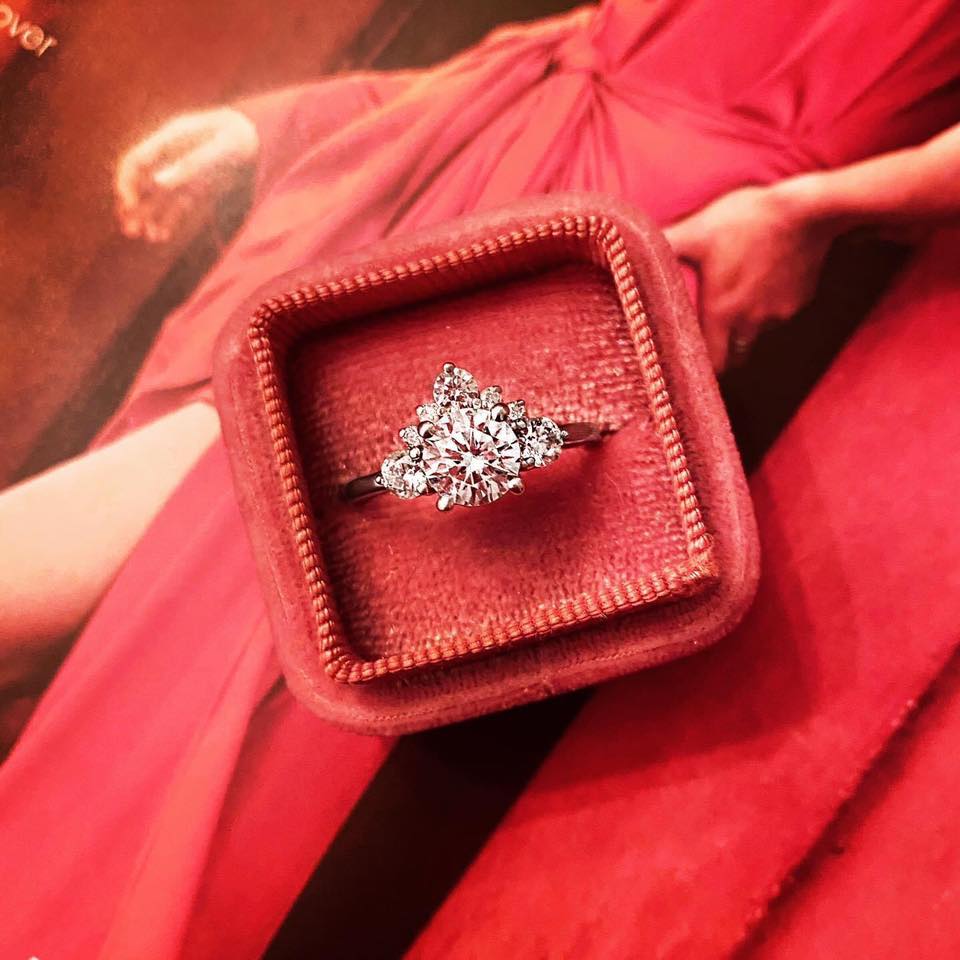
Van Scoy Diamonds is family owned business which offers the large selection of Certified Loose Diamonds, Bridal Jewelry, Diamond Engagement Rings, Wedding Bands, Necklace, Pendants, bracelets, charms, Earrings, Anniversary Rings, Gemstone Fashion Jewelry, Designer custom Jewelry and Luxury Watches with a 30 day money back guarantee at the Jewelry Store located in Greensboro, North Carolina.
We also offer Jewelry and Watches repair services at our store.