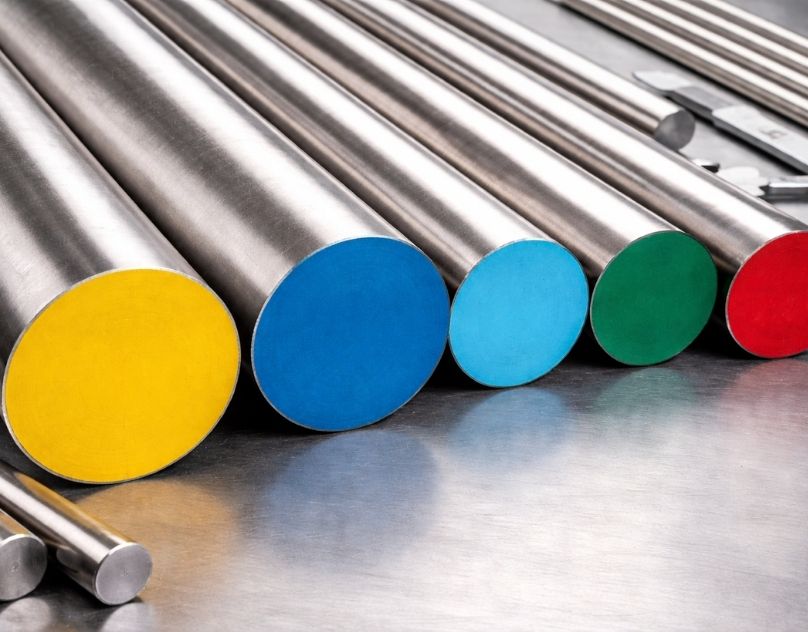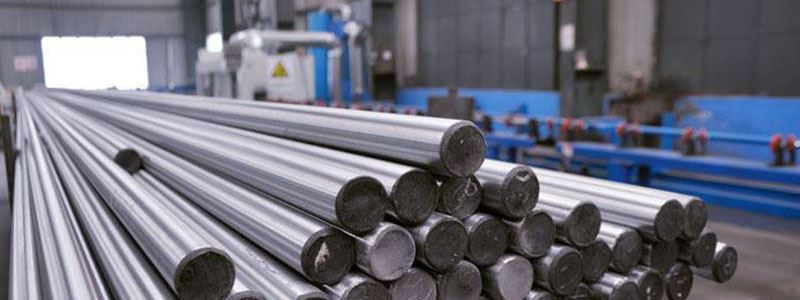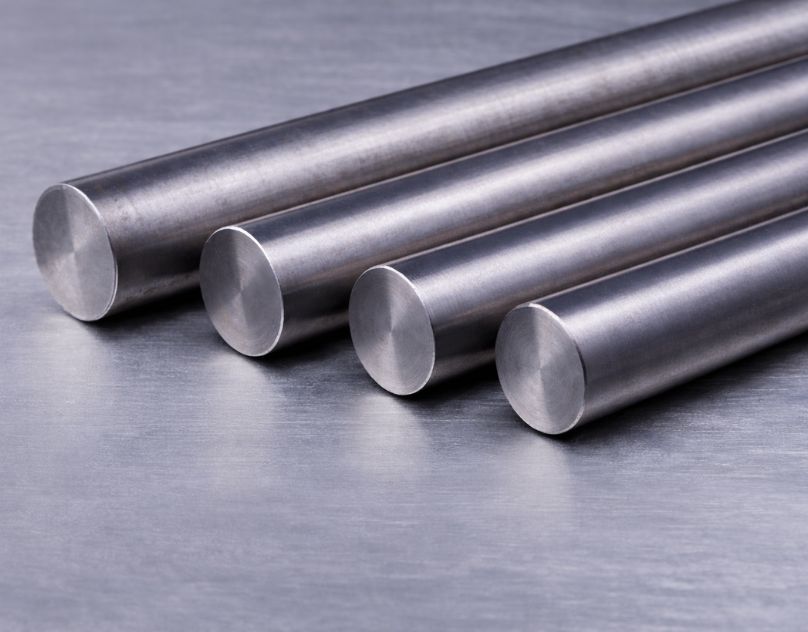
Alloy steel round bars are essential materials for industries that require high mechanical strength, durability, and dimensional stability. Buyers across automotive, heavy engineering, infrastructure, and industrial equipment sectors depend on these bars for manufacturing shafts, gears, couplings, fasteners, and load-bearing components. From a procurement perspective, understanding grade-specific performance helps reduce material failure, production delays, and long-term maintenance costs.
These round bars are produced by alloying carbon steel with elements such as nickel, chromium, and molybdenum. This controlled composition improves tensile strength, wear resistance, fatigue life, and heat treatment response. Buyers typically assess alloy steel round bars based on diameter tolerance, straightness, surface condition, heat treatment state, and compliance with industry standards. Availability across sizes, consistent quality, and traceability through test certificates also play a major role in industrial sourcing decisions.
Grade Pointers: Key Characteristics Buyers Should Know
Low-carbon, nickel-chromium-molybdenum alloy steel
Excellent for carburizing applications
Tough core with high surface hardness after heat treatment
Good machinability in annealed condition
Commonly used for gears, pinions, camshafts, and bushings
Medium-carbon alloy steel with improved nickel content
Higher strength and toughness than 8620
Good resistance to shock and dynamic loads
Suitable for forging and machining
Used for shafts, couplings, and structural components
Enhanced hardenability for larger diameters
Superior fatigue and wear resistance
Consistent mechanical properties after heat treatment
Performs well under continuous stress cycles
Preferred for mining equipment, power transmission parts, and heavy machinery
Medium-carbon, high-strength alloy steel
Deep hardening capability
Excellent response to quenching and tempering
High load-bearing and shock resistance
Used in heavy shafts, forged components, and high-stress mechanical parts
Industrial Relevance from a Buyer’s Perspective
Selecting the right alloy steel round bar directly impacts component life, safety, and manufacturing efficiency. Buyers sourcing for carburized parts prioritize 8620 grade due to its cost efficiency and reliable surface hardness. Applications requiring a balance of strength and toughness often favor 8630 grade, especially where components face fluctuating loads.
For more demanding operating conditions, buyers look toward 8637 grade because of its consistent hardenability and fatigue performance. This grade is particularly relevant when sourcing larger-diameter round bars where uniform mechanical properties are critical. Meanwhile, 8640 grade becomes the material of choice for high-stress applications where failure is not an option, such as heavy-duty shafts and forged components.
Beyond grade selection, buyers also consider factors such as supply consistency, cut-to-length options, testing standards, and delivery timelines. Reliable digital sourcing platforms like pipex.ai help streamline procurement by connecting buyers with verified suppliers, standardized product information, and efficient sourcing workflows. By aligning grade selection with application requirements, buyers can ensure long-term performance, reduced downtime, and overall cost optimization.
Conclusion
Alloy steel round bars play a crucial role in determining the performance, durability, and reliability of industrial components. For buyers, understanding the functional differences between grades such as 8620, 8630, 8637, and 8640 helps ensure the right material is selected for the right application. Each grade offers distinct advantages in terms of strength, hardenability, fatigue resistance, and heat treatment response, making informed selection essential for long-term operational success.
By evaluating application requirements, load conditions, and processing needs alongside grade characteristics, buyers can minimize material-related risks and optimize production efficiency. Strategic sourcing through reliable platforms and verified suppliers further strengthens procurement outcomes, ensuring consistent quality, timely delivery, and cost-effective material solutions for industrial manufacturing.