If you’re looking to infuse your home with natural texture, timeless charm, and enduring warmth, Terracotta Wall Tiles might be the perfect design choice for you. Whether you’re renovating a tired room or planning a brand‑new space, these tiles combine earth‑rich beauty with practical performance in ways few other materials can match.
In this comprehensive guide, you’ll learn everything you need to make confident decisions about using terracotta wall tiles — from what they are and why they’re trending to how to choose, install, and care for them.
What Are Terracotta Wall Tiles?
Definition: Terracotta Means Earth‑Baked Clay
Terracotta refers to clay that has been shaped and fired at relatively low temperatures. The result is a warm, reddish‑brown material with rustic character. When formed into tiles, terracotta becomes a versatile surface option for walls in kitchens, bathrooms, living spaces, and commercial interiors.
Natural Material, Natural Appeal
Because these tiles are made from clay, each piece has slight variations in color and texture. These natural differences give your space organic character, a quality many designers and homeowners appreciate.
Why Choose Terracotta Wall Tiles?
Warmth That Paint or Plaster Can’t Match
Terracotta delivers a depth of color and texture that flat paint or smooth plaster simply cannot replicate. It adds a tactile richness that’s especially effective in spaces meant to feel cozy or grounded.
Durable Yet Breathable
Unlike some glazed tiles, many terracotta wall tiles are unglazed or lightly sealed, allowing the material to “breathe.” This means moisture can move through the surface rather than getting trapped — a useful quality in humid environments like bathrooms.
Sustainable and Eco‑Friendly
Clay is a natural, abundant resource. When produced responsibly and locally, terracotta tiles have a smaller environmental footprint compared with heavily processed synthetic alternatives. Choosing terracotta can be a step toward eco‑conscious design.
Common Applications for Terracotta Wall Tiles
Kitchens: Rustic and Functional
In kitchen settings, terracotta wall tiles work beautifully behind countertops or stoves as a backsplash. Their warm tones complement wood cabinetry and natural stone surfaces. Finished with an appropriate sealant, they can handle splashes and spills without losing charm.
Bathrooms: Spa‑Like Serenity
In bathrooms, terracotta delivers a spa‑like, earthy atmosphere. Because moisture exposure is higher, it’s essential to choose tiles with the right finish and installation method to prevent staining and mold growth.
Living Areas: Textured Accent Walls
A terracotta tile wall can anchor a living room or dining space, offering visual depth and inviting warmth. Whether surrounding a fireplace or framing a reading nook, it adds architectural interest.
Commercial Settings: Restaurants & Retail
Terracotta’s natural look is popular in restaurants, boutique stores, and hospitality spaces where a handcrafted aesthetic enhances the brand experience.
How Terracotta Wall Tiles Are Made
The Clay Selection
Terracotta begins with clay sourced from the earth. The clay’s mineral content — especially iron — gives terracotta its signature reddish hue.
Shaping and Drying
After mixing, the clay is shaped into tile forms. These are then air‑dried to remove excess moisture before firing.
Firing in Kilns
Tiles are fired at temperatures typically between 900–1,100°C. This process hardens the surface and sets the color. The firing also gives each tile slight variations, which many designers see as a benefit rather than a flaw.
Finishing: Glazed vs. Unglazed
Some terracotta wall tiles are left unglazed for a raw, matte finish. Others receive a light sealant or partial glazing to improve stain resistance. The finish affects both the look and the maintenance needs.
Benefits of Terracotta Wall Tiles
Aesthetic Versatility
Terracotta works with a range of styles — from Mediterranean and Tuscan to modern farmhouse and contemporary minimalism. Its earthy palette pairs well with neutral colors, bold accents, and natural materials like wood and stone.
Thermal Comfort
Because clay has natural insulating properties, terracotta wall tiles help regulate temperatures. They can make a space feel warmer in winter and cooler in summer.
Longevity and Durability
Properly installed and sealed, terracotta tiles last for decades. They resist chips and cracks better than many delicate materials.
Enhances Property Value
Quality finishes like terracotta can elevate the perceived value of your home, especially when integrated thoughtfully into kitchens and bathrooms.
Popular Terracotta Tile Styles and Finishes
Classic Rustic
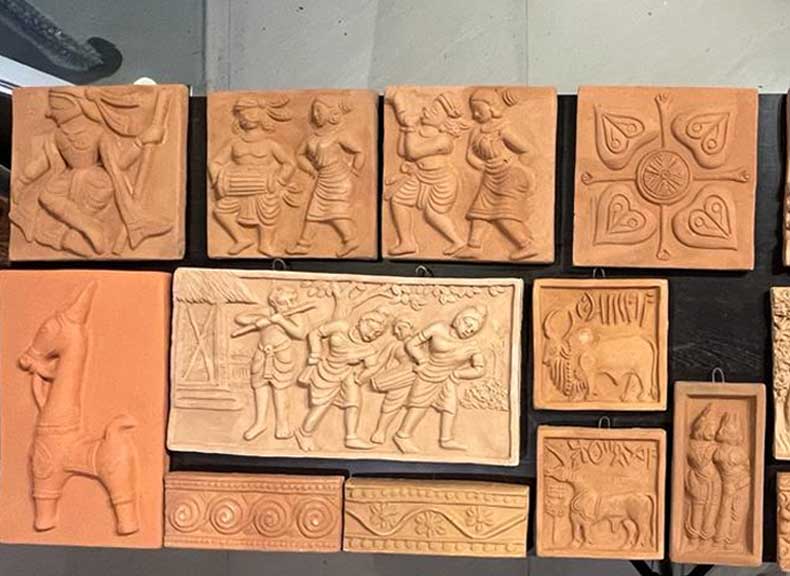
Classic terracotta tiles have uneven edges and a hand‑formed look, ideal for traditional or farmhouse interiors.
Smooth Rectilinear
For a cleaner, more modern appearance, smooth terracotta tiles with straight edges offer a contemporary twist on an old‑world material.
Patterned and Inlayed
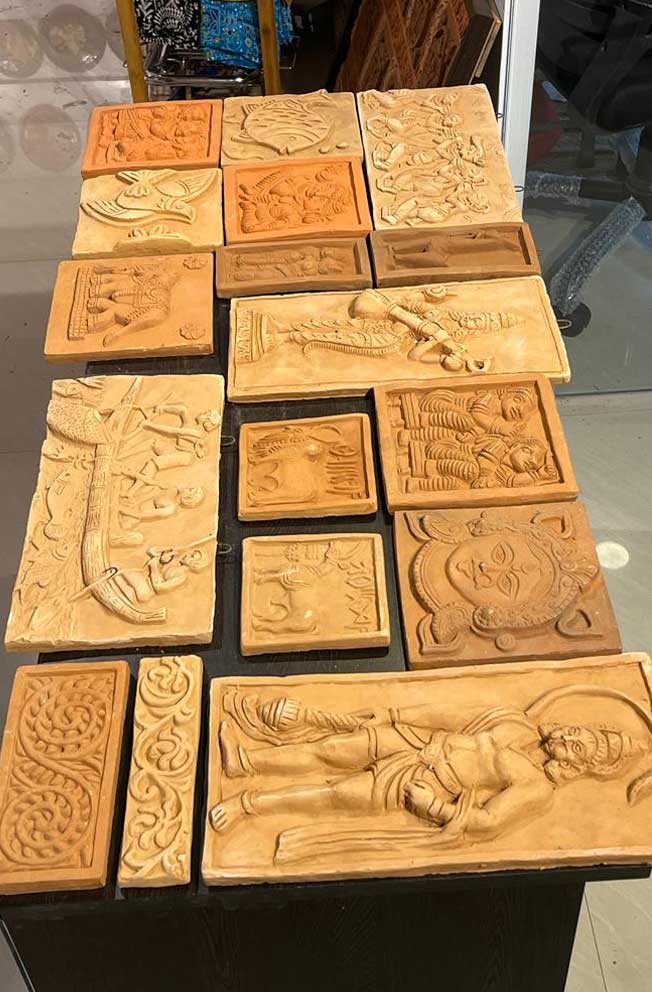
Some manufacturers offer tiles with carved or painted patterns. These are great for feature walls or accent areas.
Light vs. Dark Hues
Terracotta comes in a range of tones — from soft peach and clay pink to deep burnt orange and chocolate brown. Your choice affects how warm or bold the wall feels.
How to Choose the Right Terracotta Wall Tiles
Assess Your Space
Start by considering where the tiles will go. Kitchens and bathrooms may need more durable finishes and sealants, while living rooms can showcase raw, artistic pieces.
Measure Accurately
Measure the height and width of the walls you plan to tile. Always order extra tiles (usually 10–15% more) to account for cuts and future repairs.
Consider the Finish
Decide between glazed, semi‑glazed, or unglazed tiles based on your maintenance tolerance and style preference.
Coordinate with Other Elements
Think about your flooring, cabinetry, and fixtures. Terracotta plays well with wood and stone, so use existing materials to guide your color choice.
How Terracotta Wall Tile Installation Works
Tools and Materials You’ll Need
Typical tools include a tile cutter, spacers, quality adhesive (mortar), grout, sealant, and sponge.
Step‑by‑Step Guide
Prepare the Wall Surface The surface must be clean, dry, and flat. Remove old paint or wallpaper for best adhesion.
Plan the Layout Dry‑lay the tiles on the floor or a large table to visualize the pattern. Start from the center and work outward for balanced results.
Apply Adhesive Use a notched trowel to spread tile adhesive on a small wall section.
Place the Tiles Press each tile into the adhesive with spacers between them to maintain consistent spacing.
Cut Tiles as Needed Use a tile cutter to trim tiles near edges or around fixtures.
Wait for Adhesive to Set Follow manufacturer instructions — usually several hours.
Grout the Tiles After the adhesive cures, apply grout between tiles and wipe excess with a damp sponge.
Seal the Surface Terracotta tiles often require sealing to resist moisture and staining.
Installation Tips From Experts
Work in small sections so the adhesive doesn’t dry before you can set the tiles.
Choose a grout color that complements, not contrasts sharply, with the tile tones.
Avoid harsh chemicals when cleaning sealed terracotta — they can degrade the finish.
For a complete overview of installation best practices, see our detailed tile installation guide.
Caring for Terracotta Wall Tiles
Daily and Weekly Cleaning
Use a soft cloth or mop with mild detergent. Avoid abrasive tools that could scratch the surface.
Seasonal Deep Cleaning
Every few months, reseal your tiles to maintain their moisture resistance. Lightly buff the surface before applying sealant.
Spot Stain Removal
For tougher stains, a poultice made from baking soda and water can help lift marks. Apply gently and rinse thoroughly.
Common Mistakes to Avoid
Skipping the Sealant
Terracotta is porous; skipping sealant exposes tiles to stains and moisture damage.
Ignoring Environmental Conditions
In high‑humidity bathrooms, choose tiles and sealants designed specifically for moisture resistance.
Choosing Incompatible Grout
Highly contrasting grout colors can distract from the tile’s natural beauty. Test samples before committing.
Terracotta Wall Tiles vs. Other Wall Materials
Versus Painted Walls
Paint is inexpensive but flat. Terracotta adds texture and depth that paint can’t deliver.
Versus Ceramic or Porcelain Tiles
Ceramic and porcelain are often glazed and more uniform. Terracotta has more character, though it typically requires more care.
Frequently Asked Questions About Terracotta Wall Tiles
Are Terracotta Wall Tiles Suitable for Bathrooms?
Yes — as long as they are properly sealed and maintained. Choose tiles designed for wet environments to prevent mold and moisture issues.
How Long Do Terracotta Wall Tiles Last?
With correct installation and care, these tiles can last for decades, even in high‑traffic spaces.
Can I Install Terracotta Tiles Myself?
DIY installation is possible, but for complex spaces or inexperienced installers, professional help can ensure better long‑term results. See our tile installation checklist for guidance.
Real‑World Examples and Inspiration
Mediterranean Kitchen Remodeling
In a recent kitchen project, a homeowner used hand‑formed terracotta tiles as a backsplash behind open shelving. The result anchored the space and created a focal point that tied in with natural wood cabinets and copper fixtures.
Boutique Café Interior
A café interior used patterned terracotta wall tiles behind the counter. The tiles enhanced the brand’s earthy, artisanal vibe and provided a durable, wipe‑clean surface for busy service hours.
Conclusion
Terracotta wall tiles offer a warm, textured, and timeless design solution for a variety of spaces. From kitchens and bathrooms to feature walls and commercial interiors, these tiles bring natural beauty and practical performance together in a way that few other materials do.
If you’re ready to elevate your space with authentic style and lasting value, explore terracotta wall tile options today. Have questions about choosing the right tiles or installation? Leave a comment below — I’d be happy to help you pick the perfect fit for your project!