


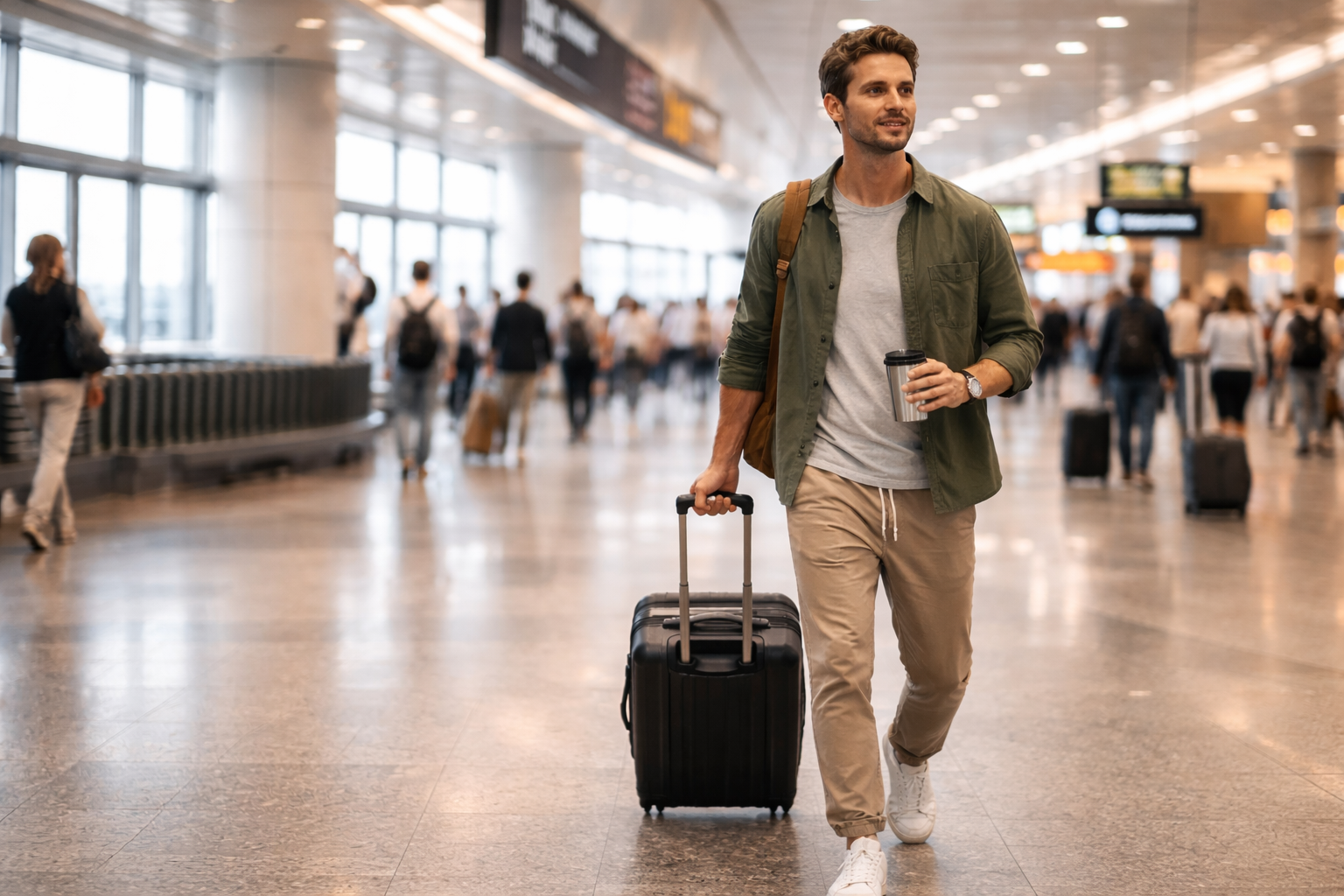
Hours in a seat can make even a great trip feel draining if your outfit fights you the whole way. Plan clothing that supports sitting, standing in lines, lifting bags, and dozing off without overheating or feeling restricted. The goal is simple: stay comfortable through gates and platforms, then arrive looking neat enough to head straight to your next stop without needing a full change.
Start With a Skin-Friendly First Layer
Choose a top that stays comfortable against your body for a long stretch of time. Anything scratchy, overly stiff, or prone to clinging can become distracting once you’ve been seated for a while. A smooth fabric that breathes helps you handle crowded terminals and warmer cabins, while still feeling comfortable if the air gets cold later.
Also consider the neckline and sleeves. If you’re constantly pulling at a collar or rolling sleeves that won’t stay put, you’ll feel fidgety and less relaxed throughout the journey, something even the most smart outfits can’t fix if comfort is missing.
Pick Bottoms Designed for Sitting
Comfortable travel bottoms are all about what happens when you bend your knees for hours. Look for a waistband that flexes without digging in, and avoid seams that press into your hips or thighs. Even small pressure points become noticeable after a long flight or train ride.
Bulky items in pockets can also make sitting uncomfortable, so treat pockets as temporary storage rather than a place to carry everything. When your legs are free of hard edges and heavy items, you naturally feel calmer and less cramped.

Add One Layer That Handles Cabin Temperature Swings
Transport environments are unpredictable: you can go from warm boarding areas to chilly cabins in minutes. Bring one easy mid-layer that you can put on and remove without needing extra space. If it folds down neatly, it won’t become a nuisance when you’re not wearing it.
Additionally, this layer serves as your "arrival polish." Even if you dozed during the ride, you can look more put together by throwing it on as you get off.
Choose Footwear That Plays Nice With Security and Walkways
Shoes should be comfortable for long walks through terminals and stations, stable while you handle luggage, and easy to take off and put back on if needed. Avoid anything that feels heavy, pinches your toes, or needs a lot of effort to remove.
Socks matter more than people admit. Choose a pair that stays up, doesn’t overheat, and feels soft. These small details support a comfortable style, especially once you’re seated for long periods.
Create a Simple Carry System for Essentials
Relaxation often comes from knowing where your things are. Instead of stuffing your pockets, use a small pouch or a dedicated pocket in your bag for documents, earbuds, and charging cables. This prevents the “seat scramble” where you’re digging around while people are boarding.
When your essentials are organized, your outfit also drapes better and feels less restrictive. That’s one of the easiest travel style tips to follow without changing your whole wardrobe.
Avoid Fabrics That Wrinkle, Pill, or Show Every Mark
Friction is unavoidable: seatbelts, armrests, backpack straps, and constant movement. Some fabrics wrinkle instantly or attract lint, which can make you feel messy even if you’re not. Choose materials and colors that hide minor creasing and still look clean after hours in transit.
If you’re prone to spills, mid-to-darker tones can be forgiving while still looking sharp. The aim is to step off feeling confident, not like you need to hunt for a restroom mirror.
Dress for Movement Between Sitting and Standing
Your travel outfit should perform during the “in-between” moments: lifting luggage into an overhead bin, walking quickly to a platform, or standing in lines. Prioritize pieces that allow easy shoulder movement and don’t bind at the hips.
Too many layers or complicated accessories slow you down during checkpoints. Keep it simple so you can move smoothly and avoid feeling flustered.

Keep the Look Neat Without Losing Comfort
Comfort doesn’t have to look like loungewear. The best approach is choosing relaxed pieces that still fit well and hold their shape. If everything is oversized, it can bunch in a seat and look rumpled fast; if everything is too fitted, you’ll feel restricted. Aim for a balanced fit that stays tidy.
Many travelers build a repeatable formula rather than reinventing the wheel every trip. That’s why travel outfits for men often work best as a dependable “uniform” you can rely on for any route.
Pack One Small Backup Item for Long Routes
For longer journeys, a tiny backup item can change your whole comfort level. A spare pair of socks in your carry-on, a light eye mask, or a compact moisturizer can help you feel more refreshed when you arrive. These small choices don’t take much space, but they help you handle delays, dry air, and overnight rides more easily.
If you want to refine your routine over time, note what irritated you on your last trip and address that one issue on your next trip. Those incremental changes become the most useful travel style tips you actually stick with.
Conclusion
A relaxed flight or train ride begins with clothing that supports hours of sitting, adapts to temperature changes, and keeps your essentials organized. Choose a comfortable base, flexible bottoms, one easy layer, walkable shoes, and a simple carry system so you’re not constantly adjusting, searching, or overheating. When your outfit reduces friction instead of adding it, the entire journey feels calmer, and you arrive ready to enjoy the destination.


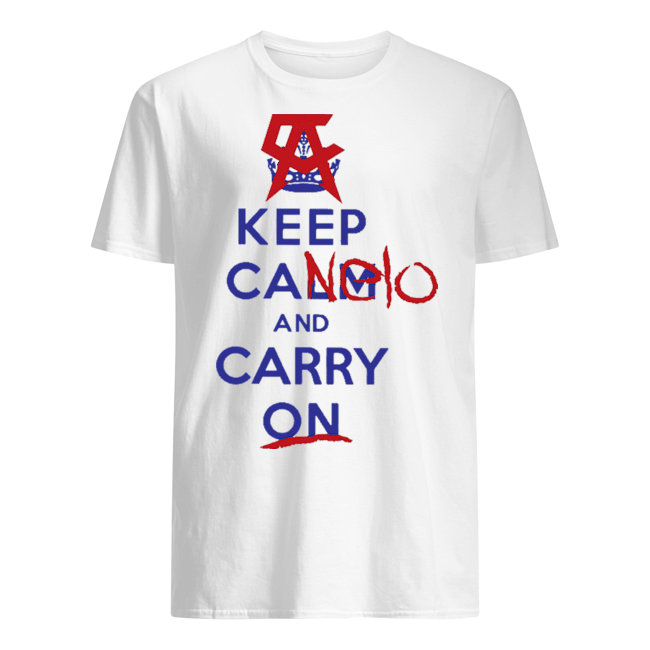
Buy KEEP CANELO AND CARRY ON SHIRT, a custom shirt made just for you by quality design.shirt for you and your family and friends as a gift.KEEP CANELO AND CARRY ON T SHIRT,a custom shirt made just for you by quality design.Order => https://moteefe.com/store/keep-canelo-and-carry-on-shirtTIP: SHARE it with your friends, order together and save on shipping.

Getting away from the civilized world and from the people, you’re living with almost every day of your life, can be a good change in your life, only if you take the necessary precautions.
men fashion tipsWith that said, the below-mentioned are some of the important tips that you need to keep in mind if you want to stay and be found safe in wild.7 tips to stay safe in wild amidst the unknown1.
Ask yourself the following questions:Do you know the place you’re going into?Do you have enough Band-Aids?Does this place have animals?Does the place have any network connection?
Are you prepared not to be in touch or be socially inactive?Always carry a flashlight with you.
Be that as it may, do not carry or wear cotton clothes, no matter how comfortable or cool they are.
When it rains, it might stick to your body and convolute things for you.