When people move to another city, the car often becomes the most confusing part of the shift. Selling it feels drastic, driving it yourself isn’t always possible, and hiring transport opens a new set of questions. Most people end up stuck between two options: car transport by train or using a road carrier. On paper, both look similar. In reality, the experience, cost, and time involved can feel very different.
Understanding the Real Difference Between Train and Road Transport
Cost Reality: What You Actually End Up Paying
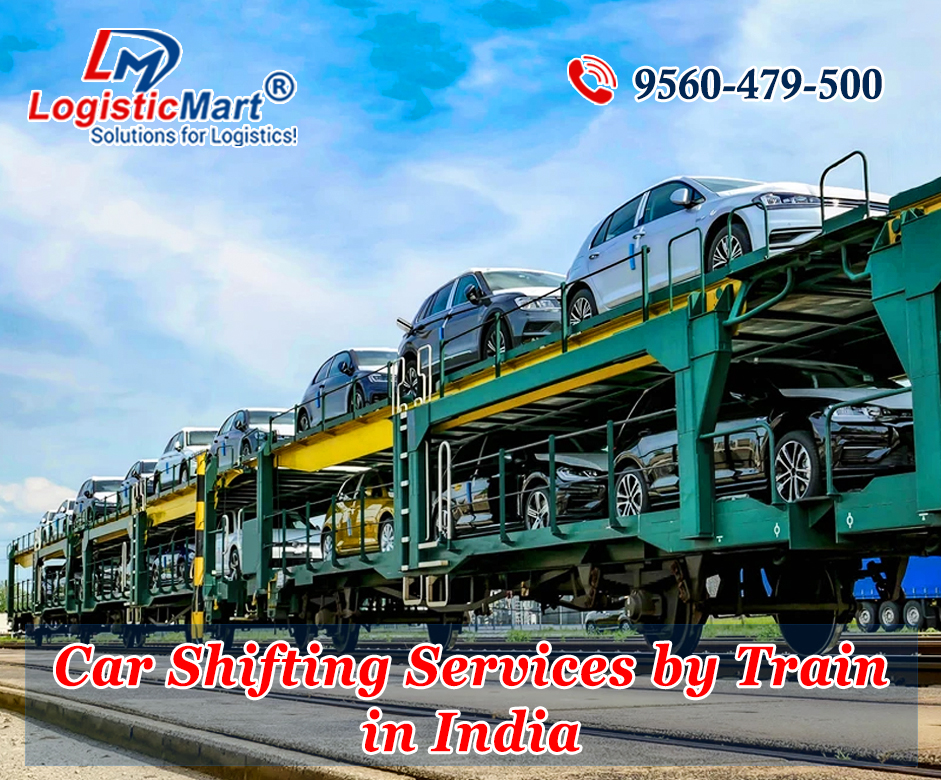
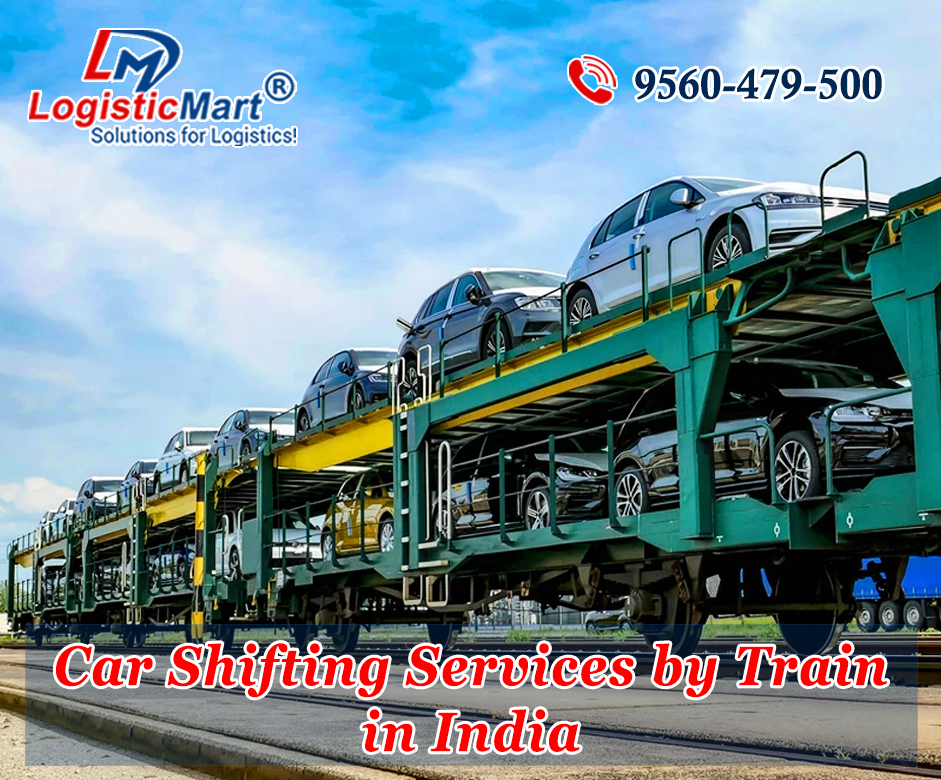
Car transport is usually chosen by people who are trying to keep expenses under control. Railway charges are mostly distance-based and don’t include things like fuel hikes, toll changes, or long driver halts. Because of this, the final amount often feels predictable, especially for long routes.
Road transport works differently. Along with distance, you’re paying for fuel consumption, toll booths, driver effort, and sometimes return logistics. If you opt for an enclosed carrier, the cost goes up further. For shorter distances, this may not pinch much, but for cross-country moves, it adds up faster than expected.

Time Taken: Where Most People Get Confused
How Train Transport Affects Delivery Time
Trains cover long distances quickly, but the process around them is slower. Booking slots, paperwork, and unloading formalities can stretch delivery by a few days. Your car isn’t delayed on the track—it’s delayed around the system.
How Road Transport Compares
Road carriers don’t wait for schedules. Once your car is loaded, it moves straight toward the destination. Traffic and weather can slow things down, but overall, delivery tends to be quicker and more predictable.
Safety and Handling: A Practical View
Train transport offers steady movement with less vibration during transit, which suits long journeys. Road transport offers door-to-door ease, but open carriers expose cars to dust and heat unless you pay extra for enclosed trucks.
Conclusion
If your only focus is on budgeting, then car or bike transport by train would be your primary choice, but if you want to see from a larger perspective, then both road and train car transport provide you with almost the same benefits. The choice depends on you, so we leave it to your side to go with your preferred option.