

Beyond the Basic Checkup: Why Nuclear Cardiology is Essential for Modern Heart Care
Heart health in India has undergone a massive shift over the last few decades. We no longer see heart-related concerns only in the elderly; even younger professionals in busy urban hubs are now paying closer attention to their cardiovascular well-being. While traditional tests like an ECG or a standard treadmill test are excellent starting points, they sometimes provide an incomplete picture. For many, a deeper look is required to truly understand how the heart is performing under pressure. This is where the specialized field of nuclear cardiology becomes an invaluable tool for patients and doctors alike. It offers a window into the heart’s function that traditional methods simply cannot reach, helping to identify potential issues long before they become emergencies.
What Exactly is Nuclear Cardiology?
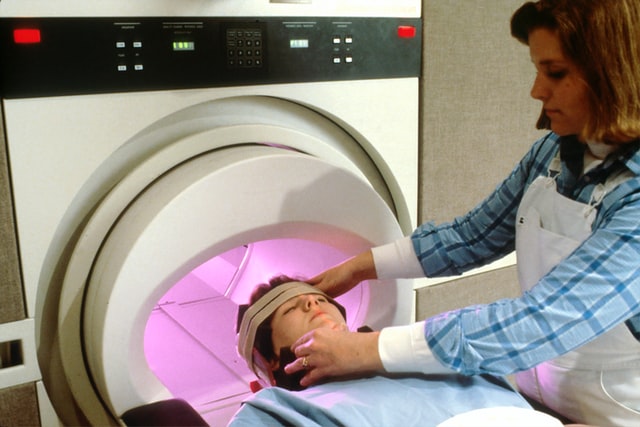
The term might sound a bit intimidating at first, but the process is actually quite straightforward and non-invasive. In simple terms, it involves using tiny amounts of radioactive tracers to create detailed images of the heart. These tracers are usually injected into the bloodstream, where they travel to the heart muscle. A special camera, known as a gamma camera, then picks up the signals from these tracers to produce a map of blood flow.
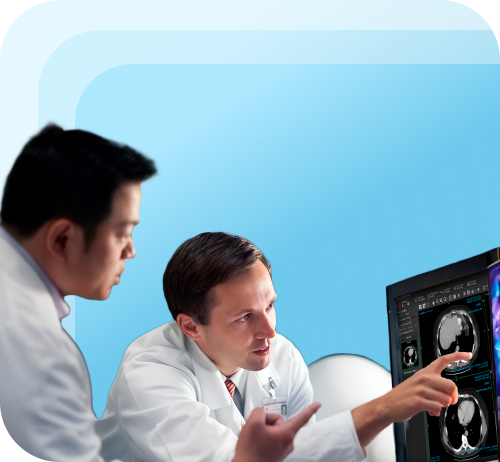
This map tells your doctor two very important things. First, it shows how well blood is reaching different parts of your heart muscle. Second, it reveals how effectively the heart is pumping blood to the rest of your body. Unlike a standard X-ray that shows the structure of the heart, this imaging shows the heart in action. It captures the biological "work" of the organ, making it much easier to spot areas that might be struggling due to narrowed or blocked arteries.
Why Choose This Over a Regular Stress Test?
You might wonder why a doctor would suggest this instead of a routine exercise stress test. The answer lies in the detail. A regular stress test relies on an ECG to monitor electrical changes during exercise. However, sometimes these electrical signals can be misleading or "false positives," especially in women or individuals with certain pre-existing heart conditions.
Nuclear cardiology goes a step further by adding an imaging layer. By looking at the actual blood flow, doctors can see if a specific part of the heart is "starved" of oxygen during physical activity. This is particularly useful for those who might have chest pain that doesn't show up clearly on an ECG. It helps in distinguishing between a harmless chest pang and a genuine blockage that requires medical intervention. Because it detects the "ischemic cascade"—the sequence of events that leads to a heart attack—it is often much more accurate for high-risk patients.
The Practical Side: Nuclear Cardiology Cost in Seawoods
For residents of Navi Mumbai, accessibility is a major factor when choosing diagnostic services. Many people prefer seeking care within their own neighborhoods rather than traveling to Mumbai's crowded central hubs. When looking for advanced heart scans, the nuclear cardiology cost in seawoods has become a frequent topic of discussion among families. On average, you can expect the pricing for these specialized scans in the Navi Mumbai region to range from five thousand to twenty-five thousand rupees.
The variation in price usually depends on whether you are getting a simple MUGA scan to check pumping efficiency or a more detailed SPECT (Single Photon Emission Computed Tomography) scan for blood flow. While the cost is higher than a basic blood test or an ECG, the value it provides in preventing major surgeries or hospitalizations is significant. Many local diagnostic centers in the Seawoods area now offer these advanced facilities, providing a balance between high-end technology and reasonable pricing for the local community.
Preparing for Your Appointment
If your doctor has recommended a nuclear heart scan, there are a few simple steps you need to follow to ensure the results are accurate. Preparation is key because certain substances can interfere with the radioactive tracers or the way your heart reacts during the test.
Most centers will ask you to avoid caffeine for at least twenty-four hours before the test. This includes not just coffee and tea, but also carbonated sodas, chocolates, and even certain pain relievers that might contain hidden caffeine. Since caffeine can constrict blood vessels or artificially speed up your heart rate, skipping it is vital for a clean reading. You may also be asked to fast for a few hours prior to the appointment. Wearing comfortable, loose-fitting clothes and walking shoes is also a good idea, as you might be asked to walk on a treadmill for the "stress" portion of the scan.
Is the Radiation Safe?
A common worry among patients is the "nuclear" part of the name. It is important to understand that the amount of radiation used in these tests is extremely small—often comparable to what you would receive during a standard CT scan or even less than the natural background radiation we are exposed to over a year.
The radioactive tracer used has a very short "half-life," meaning it loses its strength quickly. Most of the substance leaves your body through natural processes within twenty-four to forty-eight hours. Doctors usually recommend drinking plenty of water after the test to help flush the tracer out of your system faster. For the vast majority of people, the diagnostic benefits of getting an accurate heart map far outweigh the minimal risks associated with the tracer.
Frequently Asked Questions
1. How long does the entire procedure take?
The test is usually done in two parts: a rest scan and a stress scan. You should plan to spend about three to four hours at the center, as there is some waiting time involved to allow the tracer to settle in your heart muscle.
2. Can I take my regular medications before the test?
It depends on the medication. Some heart medicines or blood pressure pills can affect the results. It is essential to give your doctor a full list of your current medications at least two days before the appointment so they can advise you on what to pause.
3. What if I cannot walk on a treadmill?
Don't worry. If you have joint pain or difficulty walking, doctors can use a "pharmacological" stress agent. This is a medicine that mimics the effect of exercise on your heart while you are lying down.
4. Will I feel any pain during the scan?
The scan itself is painless. You will feel a small prick when the IV is inserted for the tracer. During the stress part, you might feel like your heart is racing, which is a normal response to exercise or the stress-mimicking medication.
5. How soon will I get the results?
The images need to be processed by a computer and then interpreted by a specialist. Usually, the detailed report is available within twenty-four to forty-eight hours.
Conclusion
Taking care of your heart is a lifelong commitment, and having access to the right diagnostic tools makes that journey much safer. Nuclear cardiology has bridged the gap between simple tests and invasive procedures, offering a reliable way for Indians to monitor their cardiovascular health accurately. By understanding the technology, the preparation, and the regional factors like the nuclear cardiology cost in seawoods, you can make informed decisions for your family's future. Modern medicine is not just about treating diseases but about predicting and preventing them, and advanced cardiac imaging is at the very heart of that mission.