

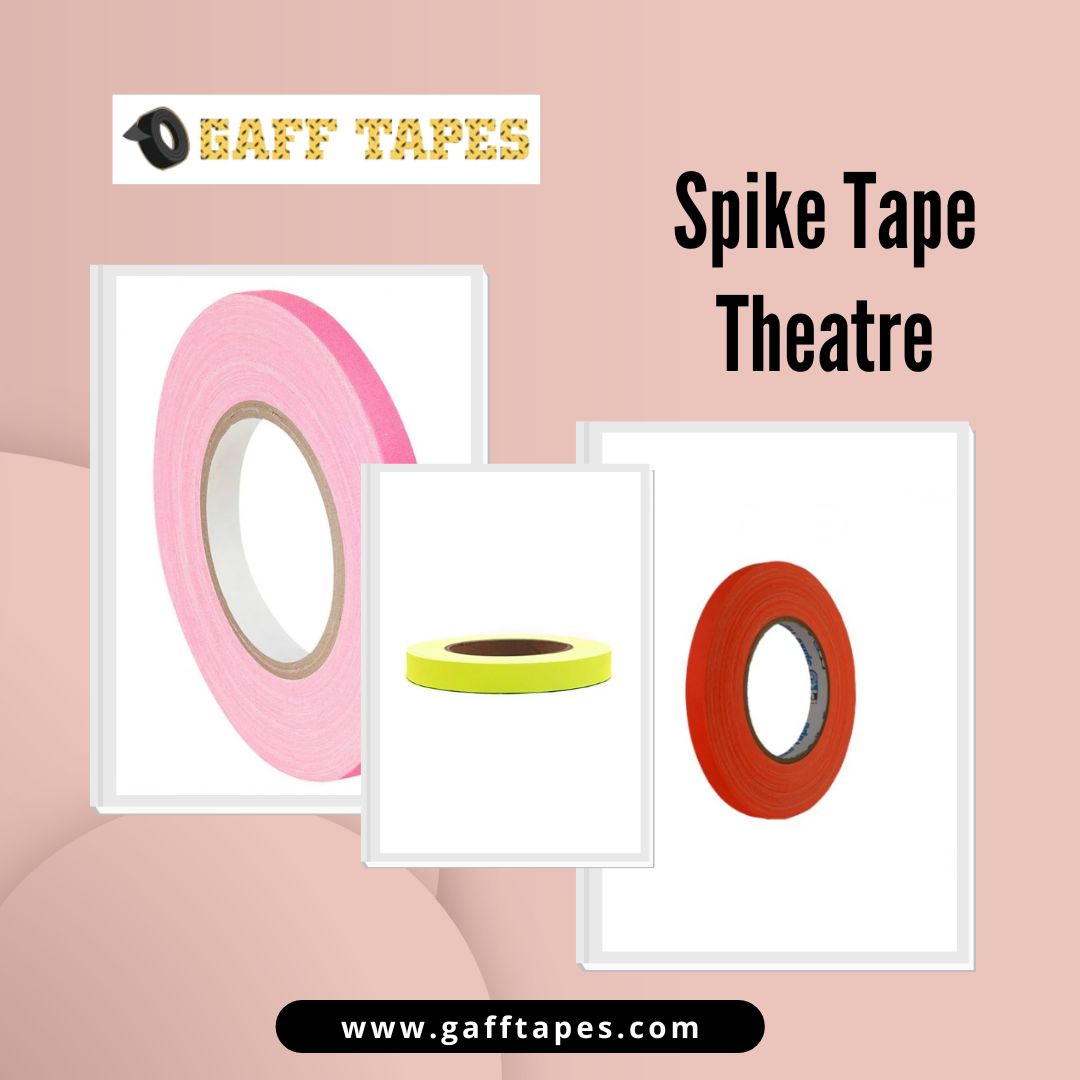
The stage may look calm from the audience, but behind the curtain it is a place of fast moves, low light, and tight timing. A single missed step can cause injury or stop a show. That is why spike tape theatre markings play such an important role in keeping performers and crew safe during rehearsals and live shows.
What Spike Tape Markings Do on Stage
Spike tape is used to mark exact positions on the stage floor. These marks show where actors stand, where props land, and where set pieces stop. Clear marks reduce guesswork. When people know where to move, they move with more confidence and less risk.
In theatre, safety often depends on memory and timing. Tape markings give a visual guide that supports both. This becomes even more important during scene changes and fast transitions.
Helping Performers Move With Confidence
Actors often perform in low light or shifting lighting. Sets change. Costumes can limit vision. Spike tape markings give performers a trusted reference point.
When marks stay clear and consistent, actors can focus on their lines and movement instead of worrying about footing. This reduces slips, missed cues, and collisions with set pieces.
Supporting Crew During Scene Changes
Stage crew work quickly and quietly. They move heavy items, adjust platforms, and reset props in seconds. Clear floor markings guide where items belong and where crew should walk.
This structure lowers the chance of bumping into others or placing equipment in unsafe spots. It also helps new crew members learn the stage faster.
Color Choice Matters for Safety
Color selection affects how well markings stand out. Different teams often use different colors to avoid confusion. Lighting crews, stage managers, and performers each rely on visual clarity.
Some teams use green gaffer tape to mark crew-only zones or equipment paths. Green is easy to spot without pulling focus during rehearsals. Used with care, it improves awareness without cluttering the stage.
Reducing Trips and Falls
Trips often happen when people move without clear direction. Loose cables, dark edges, and moving sets add risk. Spike tape helps mark safe walking paths and clear boundaries.
When placed with purpose, tape creates a mental map of the stage. People know where not to step. This simple tool can prevent injuries that cause delays or cancel performances.
Keeping Marks Clean and Reliable
Old or peeling tape creates new hazards. It can catch shoes or confuse performers. Regular checks keep markings sharp and safe.
Some theatres switch to green gaffer tape in high-traffic areas because it holds well and removes cleanly. Clean removal protects stage floors and keeps surfaces smooth.
Improving Communication Across the Team
Spike tape acts as a shared language. A mark on the floor says more than shouted directions during a run-through. Everyone sees the same guide and follows the same plan.
This reduces stress and miscommunication. It also helps visiting performers and guest crews adjust quickly to the space.
Training New Performers and Students
In schools and community theatres, spike tape plays a teaching role. Students learn spacing, blocking, and stage awareness through visual cues.
Clear markings help young performers build safe habits early. They learn to respect space, timing, and teamwork without constant reminders.
Adapting Marks for Each Production
Every show is different. Comedy, drama, and dance all use space in unique ways. Spike tape allows teams to change layouts without damage.
Marks can be added, removed, or updated as the show evolves. This flexibility keeps safety in step with creative needs.
Final Thoughts on Safer Stages
Stage safety depends on preparation, teamwork, and clear guidance. Well-placed tape markings support all three. By guiding movement, improving communication, and reducing risk, spike tape theatre practices help create safer, smoother performances where everyone can focus on the show instead of the hazards.
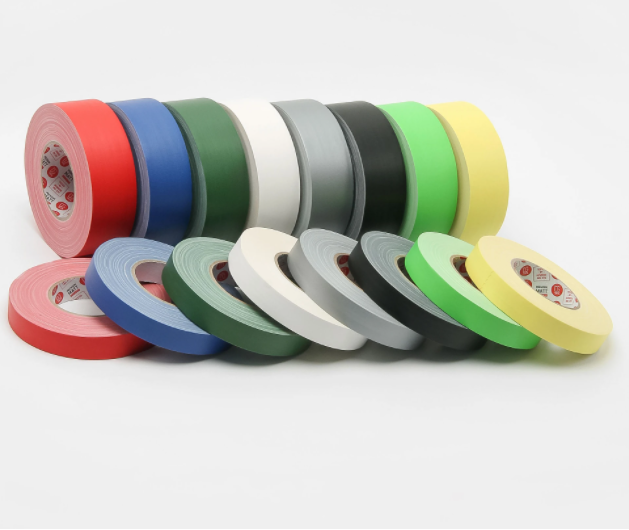
Knowingly or unknowingly, we are sure everybody would have encountered a Gaffer Tape.
This tape is made up of strong cotton cloth and is majorly used by the crews in the production on TV, films, live music.