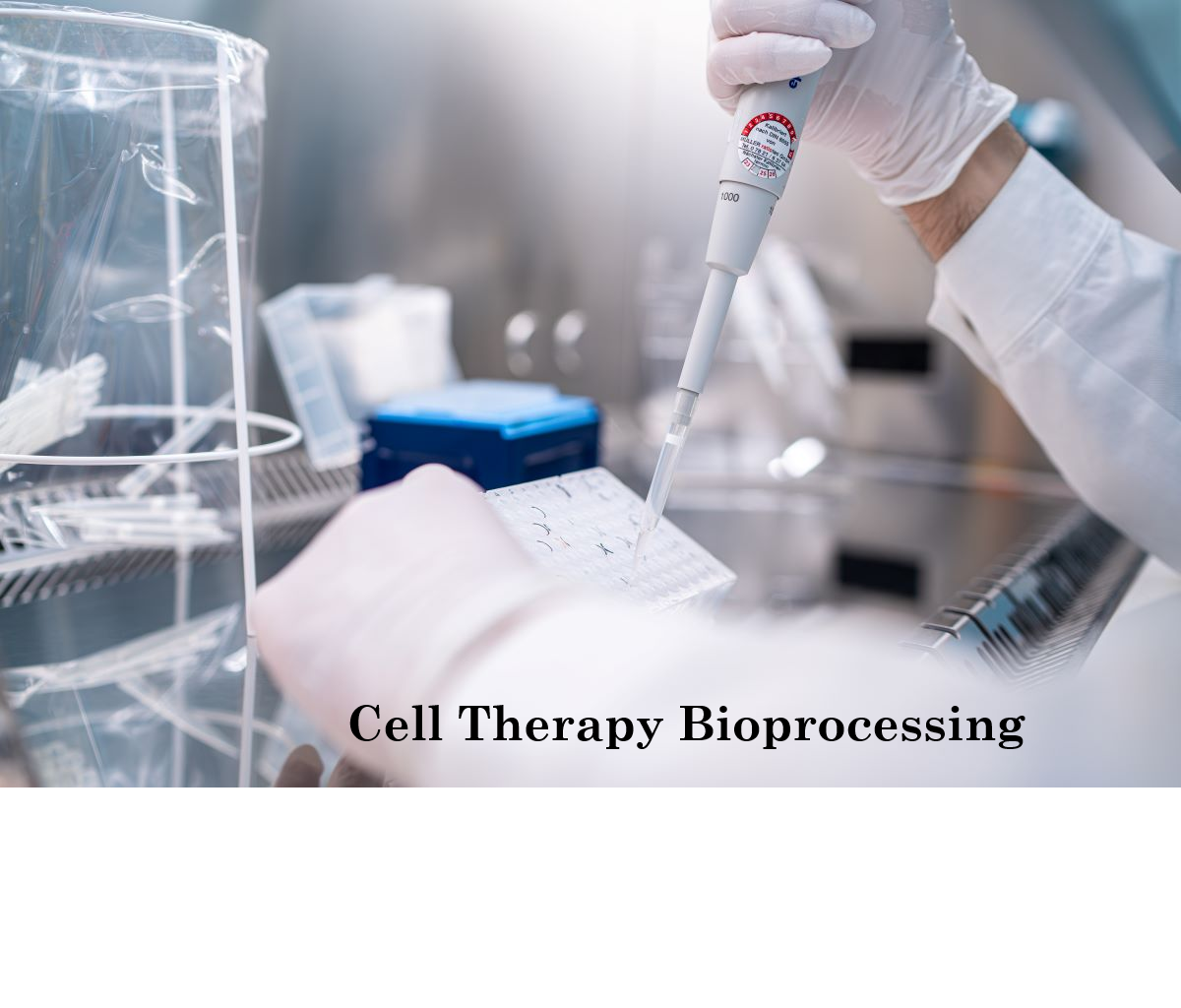
The global biomanufacturing landscape is undergoing a profound transformation, and at the center of this shift lies cell therapy bioprocessing. Once considered a niche capability supporting early-stage research, cell therapy bioprocessing has rapidly evolved into a critical industrial function enabling the commercialization of advanced therapies. Driven by scientific breakthroughs, expanding clinical pipelines, and scalable manufacturing innovations, this segment is now one of the fastest-growing areas in biomanufacturing worldwide.
From Experimental Science to Commercial Reality
Cell therapies such as mesenchymal stem cells (MSCs), induced pluripotent stem cells (iPSCs), hematopoietic stem cells, and immune-based therapies like CAR-T are increasingly moving from experimental use to mainstream clinical application. This transition has dramatically increased demand for sophisticated bioprocessing solutions that can ensure:
• Consistent product quality
• Regulatory compliance under GMP conditions
• Scalability from clinical to commercial volumes
• Cost-effective and reproducible manufacturing
As a result, bioprocessing has become the backbone that transforms scientific innovation into real-world therapeutic products.
Cell Therapy Bioprocessing Market Rapid Expansion Reflects Industry Momentum
The cell therapy bioprocessing market is experiencing robust growth, expanding from US$ 20.74 billion in 2025 to US$ 64.61 billion by 2034, supported by a strong 13.49% CAGR between 2026 and 2034. This growth trajectory clearly reflects the increasing number of approved therapies, late-stage clinical programs, and investments in manufacturing infrastructure across global markets.
Cell Therapy Bioprocessing Market Key Factors Driving Accelerated Growth
Several powerful forces are propelling cell therapy bioprocessing ahead of other biomanufacturing segments:
1. Rising Burden of Chronic and Life-Threatening Diseases
Cell therapies offer transformative potential in areas such as oncology, cardiovascular disease, orthopedic conditions, and wound healing. The growing global prevalence of these conditions continues to fuel demand for advanced therapeutic alternatives.
2. Surge in R&D and Government Funding
Significant public and private investments are supporting regenerative medicine and Advanced Therapy Medicinal Products (ATMPs). These funds accelerate clinical trials, technology development, and the establishment of GMP-compliant manufacturing facilities.
3. Transition from Autologous to Allogeneic Therapies
The shift toward off-the-shelf allogeneic cell therapies is a major growth catalyst. Allogeneic approaches demand industrial-scale, standardized, and high-throughput bioprocessing platforms—driving innovation and capital investment.
Get Sample PDF: - https://www.theinsightpartners.com/sample/TIPRE00021550
Cell Therapy Bioprocessing Market Technological Innovation Is Redefining Biomanufacturing
Cell therapy bioprocessing is advancing rapidly due to continuous technological breakthroughs, including:
• Single-use bioreactors that enhance flexibility and reduce turnaround times
• Closed and automated systems that minimize contamination risk and manual intervention
• Advanced cell expansion, harvesting, and cryopreservation technologies
• Genome editing and viral vector technologies enabling next-generation therapies
• AI-driven analytics and Process Analytical Technology (PAT) for real-time monitoring and optimization
These innovations are not only improving efficiency but also reducing manufacturing failures and overall cost of goods.
Cell Therapy Bioprocessing Market Growing Importance of CDMOs
Contract Development and Manufacturing Organizations (CDMOs) pl
ay an increasingly vital role in the ecosystem. Many biotech companies rely on CDMOs to:
• Access specialized expertise and infrastructure
• Scale production without heavy capital investment
• Accelerate time-to-market for clinical and commercial products
This outsourcing trend further accelerates market growth while fostering global collaboration.
Cell Therapy Bioprocessing Market Regional Expansion Strengthens the Growth
• North America leads the market due to its advanced R&D ecosystem and strong regulatory support.
• Europe benefits from public funding programs and harmonized ATMP regulations.
• Asia-Pacific is emerging as the fastest-growing region, driven by expanding GMP facilities, cost advantages, and government-backed biotech initiatives.
This broad-based regional expansion reinforces the sector’s global momentum.
Cell Therapy Bioprocessing Market Competitive Intensity Fuels Innovation
The cell therapy bioprocessing market is highly competitive, with leading life science companies continuously investing in:
• Integrated end-to-end bioprocessing solutions
• Strategic partnerships with clinical-stage biotech firms
• Facility expansions focused on viral vectors and cell processing
• Advanced automation and digital manufacturing platforms
This competition accelerates technological advancement and strengthens the overall biomanufacturing ecosystem.
A Cornerstone of Future Biomanufacturing
Cell therapy bioprocessing is no longer a supporting function—it is a strategic enabler of modern medicine. As more cell therapies gain regulatory approval and move toward commercialization, the need for scalable, automated, and standardized bioprocessing solutions will continue to rise.
With strong growth prospects, expanding clinical applications, and relentless innovation, cell therapy bioprocessing stands out as one of the fastest-growing and most impactful segments in biomanufacturing, shaping the future of advanced healthcare worldwide.
About The Insight Partners
The Insight Partners is a global leader in market research, delivering comprehensive analysis and actionable insights across diverse industries. The company empowers decision-makers with data-driven intelligence to navigate evolving markets and accelerate growth.
Contact Us:
• Contact Person: Ankit Mathur
• E-mail: ankit.mathur@theinsightpartners.com
• Phone: +1-646-491-9876
Also Available in:
Korean | German | Japanese | French | Chinese | Italian | Spanish