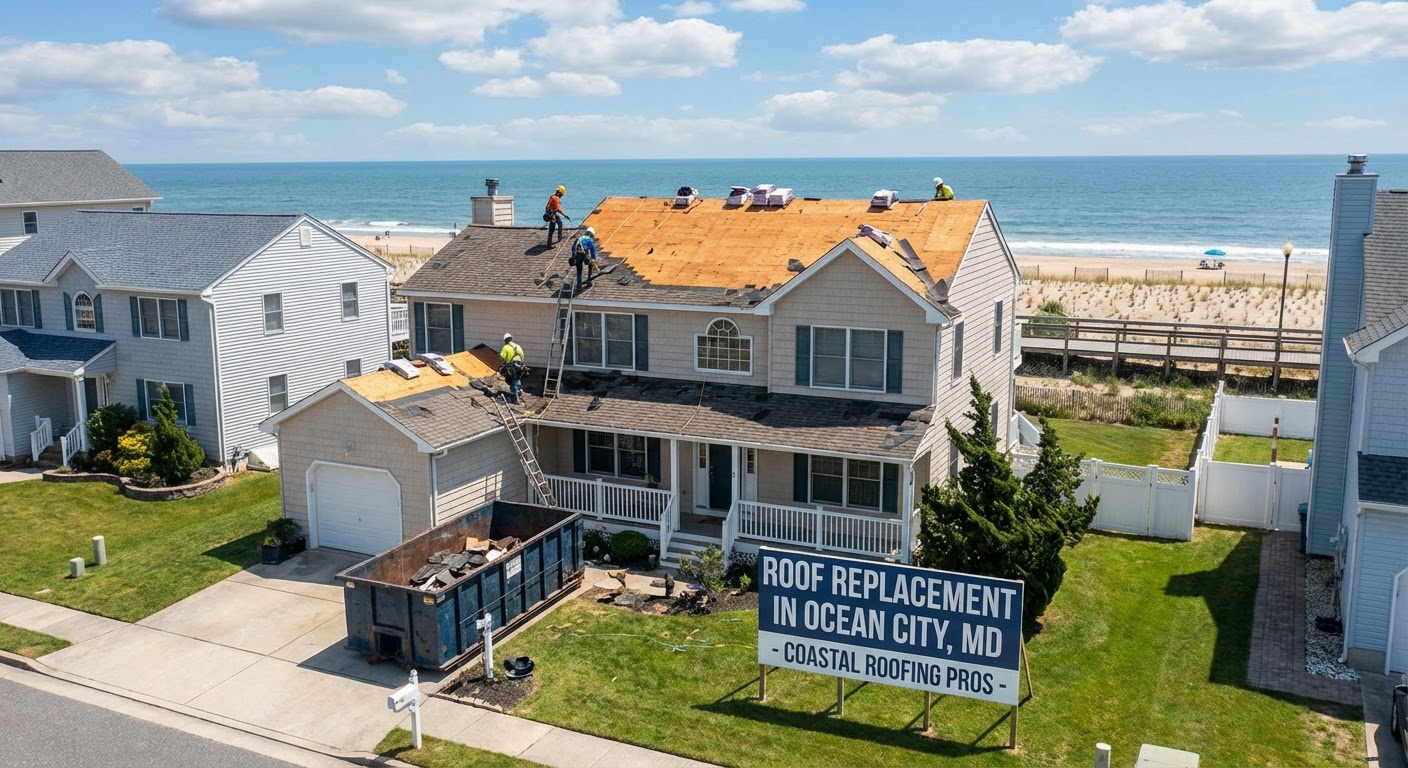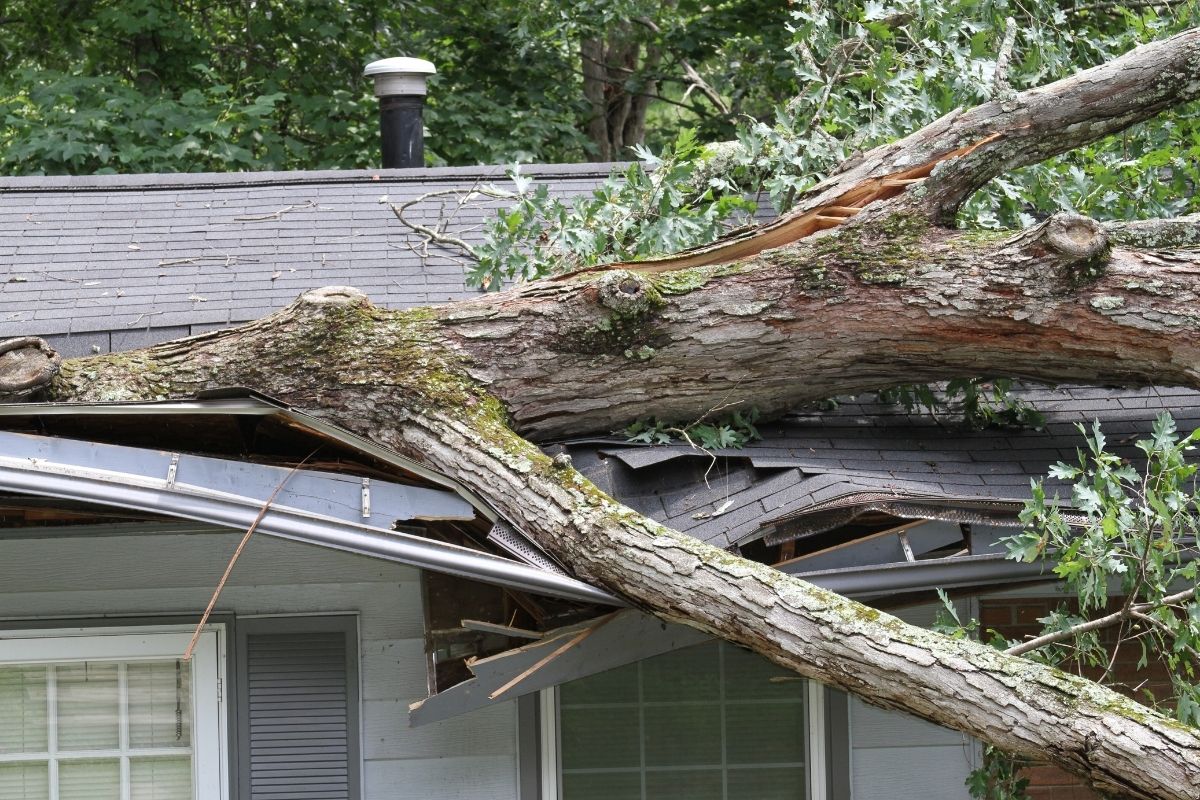


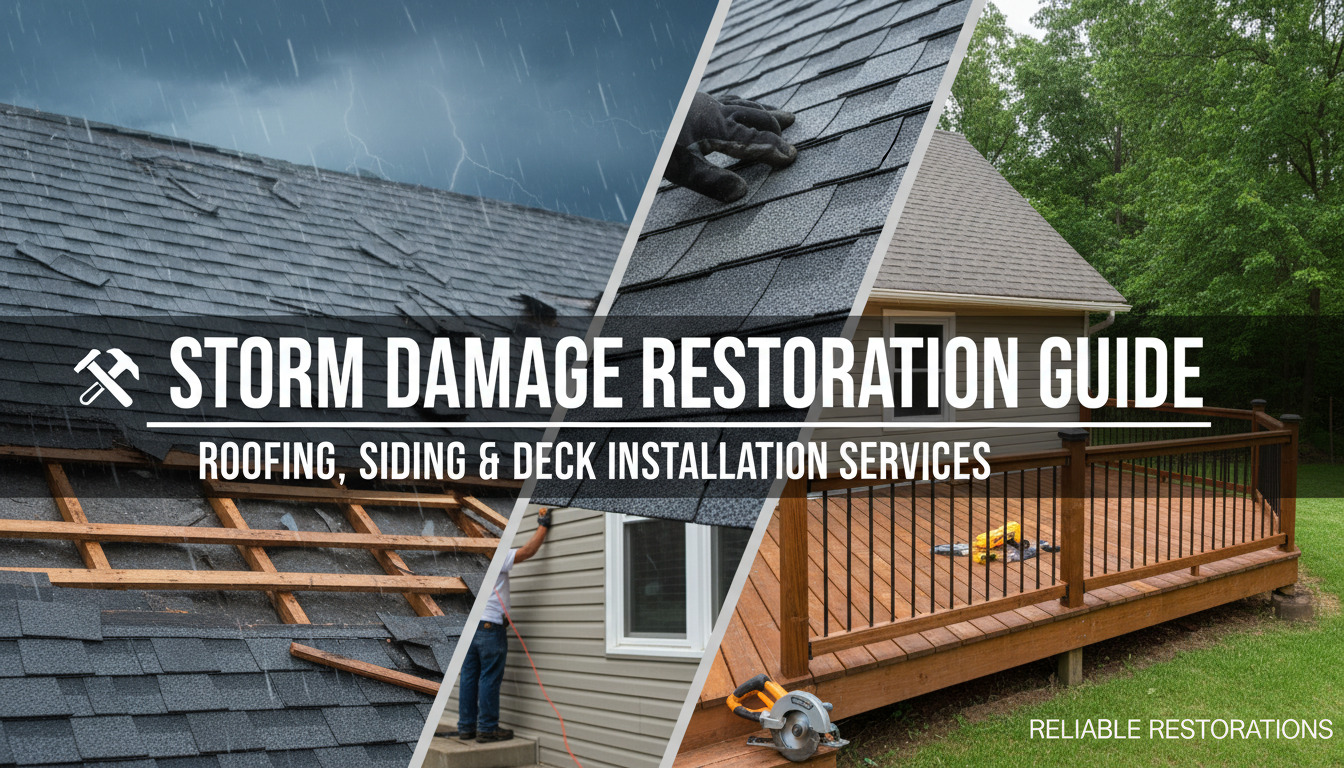
The October nor'easter that hammered Ocean City, Maryland, left property owners dealing with serious damage—from shredded roof shingles and battered siding to waterlogged decks and compromised foundations. With wind gusts hitting 50 mph and coastal flooding swamping downtown streets, homes from the Inlet to 15th Street took a beating. Now, as we head into winter storm season, homeowners face a critical decision: repair quickly or risk compounding damage when the next storm hits. Here's what Ocean City residents need to know about storm restoration and choosing the right contractors.
When Your Roof Takes a Hit
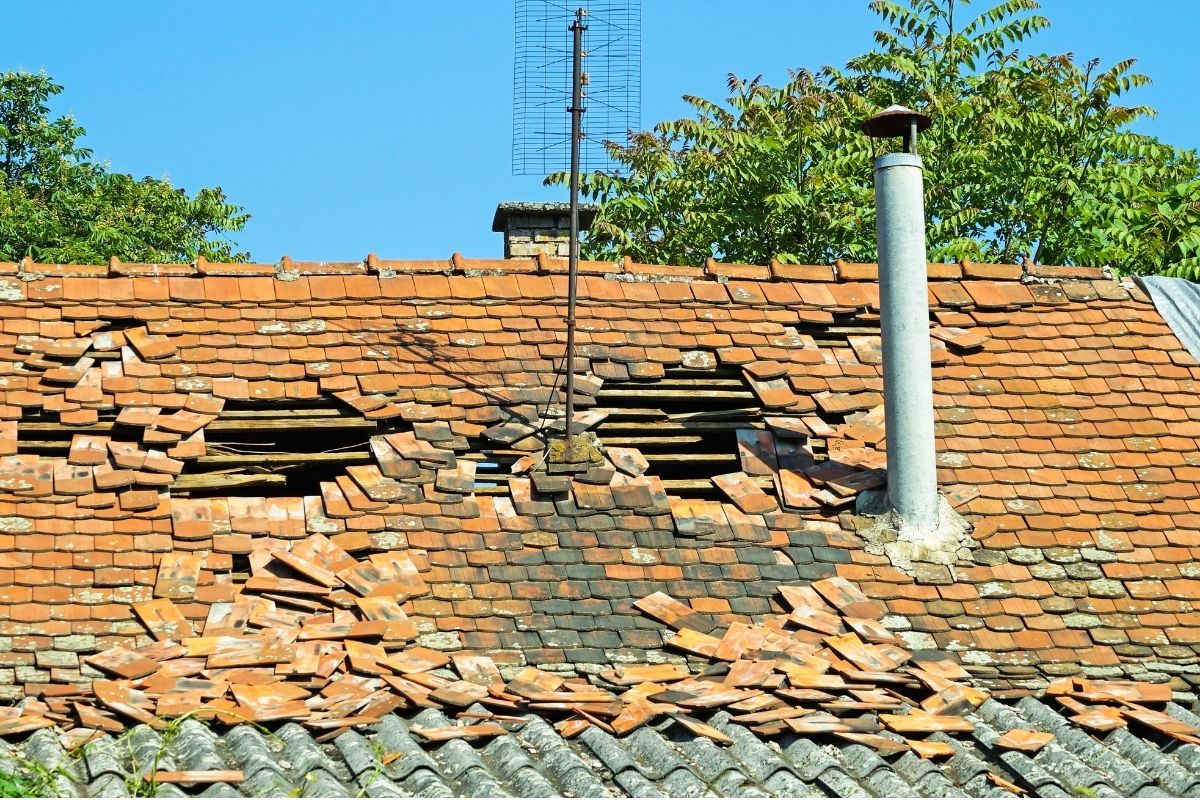
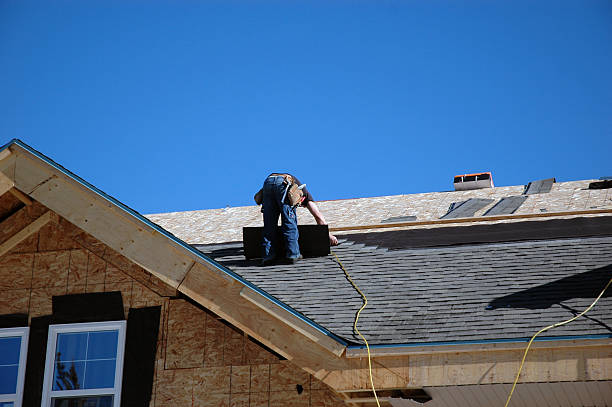
Your roof is your home's first defense against coastal weather, and Ocean City properties know this all too well. Between Hurricane Erin's August assault and the October nor'easter, local roofs have endured relentless punishment. Missing shingles, salt spray corrosion, and water intrusion are showing up on inspection reports across town. When homeowners search for roof repair services, the urgent question isn't just about fixing what broke—it's about whether your aging roof can survive another season of Atlantic storms.
Here's the reality for coastal homes—if your roof is over 15 years old and took significant wind damage, a complete roofing replacement service often makes more financial sense than patching. Insurance adjusters working Ocean City claims right now are writing reports that could determine whether you get a repair estimate or replacement coverage. A qualified contractor documents everything with photos, wind speed correlation, and detailed damage mapping. They'll meet with your adjuster and make sure salt air deterioration and previous storm wear get factored into your claim.
Finding the Right Storm Damage Contractors
After major weather events like the October storm, out-of-state contractors flood into Ocean City, promising quick fixes and lowball estimates. Some are legitimate, many aren't. The best storm damage contractors working in Ocean City right now will:
• Provide a detailed written estimate before starting any work
• Carry Maryland Home Improvement Commission (MHIC) licensing—verify this yourself online
• Offer references from recent local projects
• Explain the insurance claims process clearly
Don't feel pressured to sign anything immediately. Ocean City has tight-knit neighborhoods—talk to people on your street who've already completed restoration work. Check contractors against recent complaints filed with Worcester County or the Maryland Attorney General's office. Get at least three written estimates and compare them line by line, not just the bottom number.
Siding Damage Needs Attention Too
While roofs grab attention, your siding took punishment too—especially if you're in the flood zones downtown or near the bayside marshes. Salt spray, wind-driven rain, and standing floodwater create a triple threat. Vinyl siding cracks, wood siding swells and rots, and fiber cement can delaminate when water breaches the moisture barrier. When you're searching for siding replacement near me in Ocean City, you need someone who understands coastal construction requirements, not just standard residential work.
Experienced contractors won't just patch visible damage—they'll inspect the house-wrap and waterproofing underneath, especially critical in FEMA flood zones where moisture intrusion leads to mold within days. If you're replacing sections, matching the existing color and texture matters more in Ocean City's established neighborhoods where HOA standards apply. The right contractor maintains relationships with suppliers who can source discontinued siding lines or create custom color matches.
Don't Overlook Your Deck
Decks in Ocean City face unique challenges—saltwater spray accelerates wood rot, and floodwaters undermine support posts. The October storm left many decks with split boards, compromised railings, and loosened fasteners corroded by salt air. When you need professional deck installation services, you're not just replacing damaged lumber—you're addressing structural integrity compromised by repeated coastal exposure.
Proper assessment involves checking foundation posts, floor joists, ledger board attachments, and verifying whether previous repairs utilized marine-grade fasteners. For properties in flood zones, deck height and support systems must meet current FEMA elevation requirements—something that's changed since many older decks were built. What appears as cosmetic damage often masks structural problems that make your deck unsafe, particularly after saltwater flooding weakens connections you can't see.
Getting Started with Your Restoration
Document everything before contractors arrive—photograph wind damage, water intrusion, flood lines, and structural issues from multiple angles. Video walkthroughs with timestamps help if insurance disputes arise later. Contact your insurance company within 48 hours—many policies have strict notification deadlines for storm damage, and delayed reporting can jeopardize claims. Ask specifically about wind damage coverage versus flood damage, since Ocean City properties often have separate policies for each.
The restoration timeline varies—most Ocean City projects run 3-8 weeks, depending on damage extent and material availability. Expect delays if you need specialty coastal-rated materials or if multiple homes in your neighborhood are competing for the same contractors. Winter storm season is coming, and every week you wait increases the risk of secondary damage from the next nor'easter. Quality contractors book up fast after major storms, so don't wait for the perfect quote—wait too long, and you'll have limited options.
Storm damage restoration in Ocean City isn't just cosmetic repair—it's protecting your property value and your family from the next inevitable coastal storm. With winter nor'easters and potential freezing damage ahead, addressing roof leaks, compromised siding, and unsafe decks becomes urgent. Whether you need emergency roof repairs, complete siding replacement, or deck reconstruction, choosing contractors who understand coastal construction standards and insurance processes makes the difference between a job done right and problems that resurface with the next storm.