

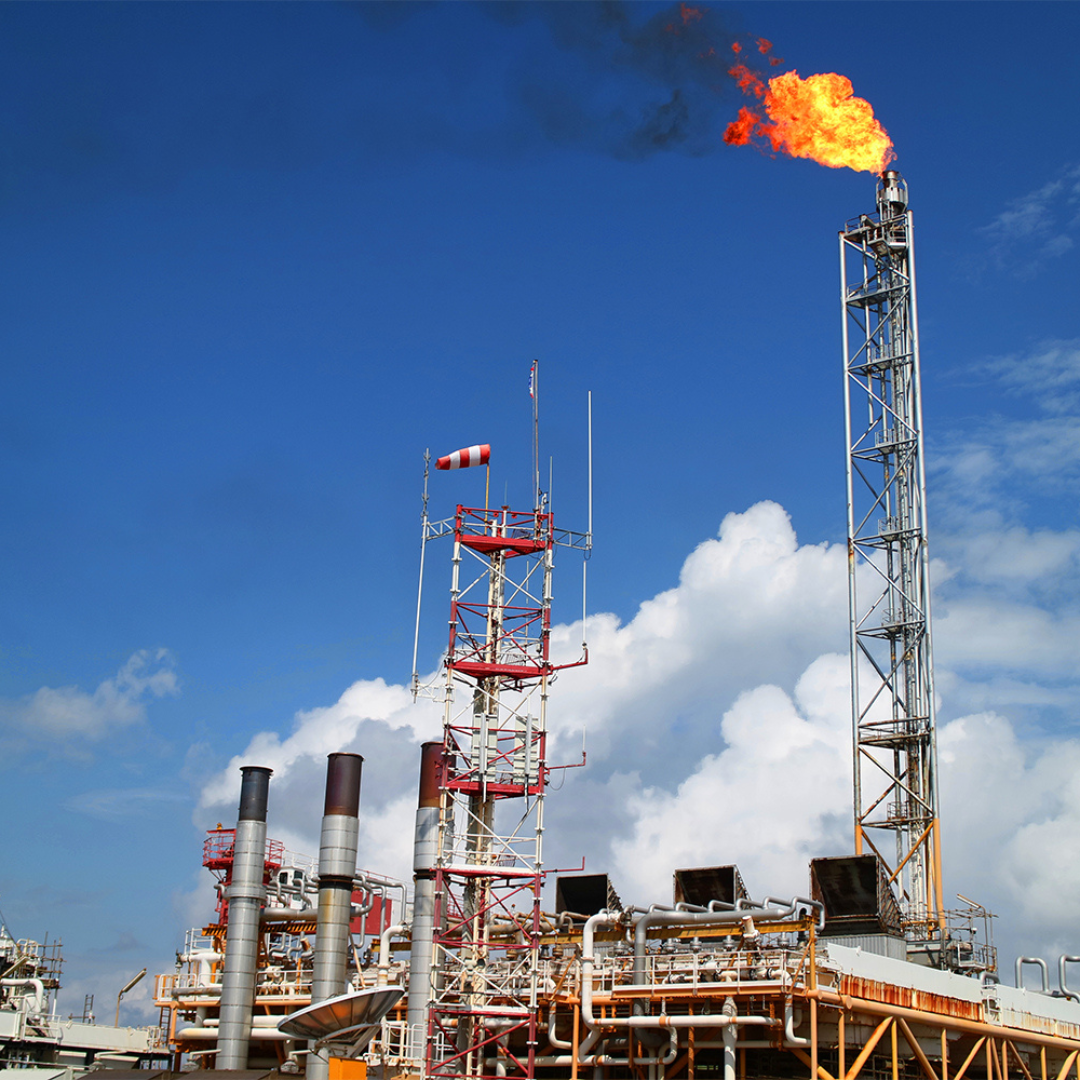
Managing greenhouse gas (GHG) emissions — especially methane — has become a top priority for oil and gas companies navigating stricter regulations, investor expectations, and operational efficiency goals. But with an expanding universe of software options, choosing the best emissions management software isn’t simple. The right platform must do more than log data: it must enable compliance, improve decision-making, and scale with the complexity of modern oil and gas operations.
In this guide, we’ll break down the key considerations that oil and gas operators should weigh when evaluating emissions management solutions — from data integration and regulatory alignment to real-time workflows and future-proof analytics.
1. Start with Your Emissions Priorities
Before comparing specific tools, define what “best” means for your organization.
- Compliance vs. performance: Are you primarily focused on meeting regulatory reporting requirements (like OGMP 2.0 or EPA standards), or do you want active emissions reduction insights?
- Scope Coverage: Emissions software should help track Scope 1, 2, and ideally Scope 3 emissions — not just basic operational outputs. This ensures full visibility across the value chain.
- Targeted Gas Types: For oil and gas, methane is often the most critical due to its high global warming potential. Choose platforms designed to quantify and reconcile methane data accurately.
By articulating your emissions priorities early, you narrow your focus to tools that align with business goals — whether compliance, investor-grade disclosure, or proactive mitigation.
2. Evaluate Data Integration and Workflow Automation
Oil and gas operations generate emissions data from many sources: sensors on compressors and tanks, satellite or aerial detection, LDAR (Leak Detection and Repair) programs, SCADA and ERP systems, and manual field reports. Great emissions management software should:
- Consolidate disparate data streams into a central platform.
- Support automated data collection, reducing manual error and eliminating data silos.
- Provide robust APIs and connectors to ingest measurement data from third-party sensors and detection tools.
Platforms that offer seamless integration with operational systems — along with reliable automation — ensure that teams spend less time wrangling spreadsheets and more time driving emissions strategy.
3. Look for Strong Methane Quantification and Reconciliation Capabilities
Methane emissions are notoriously variable, which makes accurate quantification challenging. A strong emissions management solution should:
- Ingest data from LDAR inspections, continuous monitoring, drones, optical gas imaging, and other detection technologies.
- Perform top-down and bottom-up reconciliation, comparing predictive emissions estimates with actual measurements.
- Automatically calculate uncertainty and confidence levels, giving operators defensible data for reporting, regulation, and investment.
This level of sophistication can distinguish basic carbon accounting platforms from best-in-class tools that deliver actionable insight for oil and gas operations.
4. Regulatory Compliance and Reporting Must Be Built-In
Oil and gas operators face a patchwork of regulatory frameworks — from national standards to international protocols. Best emissions management software should simplify compliance by:
- Aligning with global frameworks such as OGMP 2.0, EU Methane Regulation (EUMR), CSRD, MiQ, and industry best practice standards.
- Producing audit-ready reports that meet regulatory and investor requirements.
- Allowing easy customization of reporting templates to match regulatory expectations in different regions.
Integrating regulatory compliance into the core of the software helps reduce legal risk and accelerates reporting cycles — a critical advantage as regulations tighten globally.
5. Real-Time Monitoring and Alerting
The pace of emissions events — especially methane leaks — can shift quickly. The best platforms deliver:
- Real-time or near-real-time data dashboards that flag anomalies as they occur.
- Automated alerting systems to notify operators of potential leaks or emissions spikes.
- Integration with predictive tools and digital twins that anticipate equipment faults before they become emission events.
Real-time capabilities ensure that mitigation actions can be taken swiftly, reducing environmental impact and operational loss.
6. Scalable Architecture for Growing Portfolios
Your emissions management software should scale alongside your operations. Whether your portfolio contains a handful of assets or thousands, evaluate:
- Cloud-based SaaS platforms for flexibility and remote access.
- Support for multiple assets, regions, and operating controls within a unified system.
- User-role management and security features that align with corporate IT governance.
A scalable platform prevents the need for disruptive tool changes as compliance requirements evolve or your business expands.
7. User Experience and Internal Adoption
Even the most powerful system fails if teams can’t use it. Prioritize:
- Intuitive dashboards and visualizations for executives and operational staff.
- Training resources and vendor support to accelerate adoption.
- Built-in collaboration tools to centralize communications and workflows.
Software that’s easy to use boosts internal engagement and increases the likelihood that emissions insights translate into real operational improvements.
8. Consider Total Cost of Ownership
Beyond subscription fees, estimate the total cost of ownership, including:
- Implementation and onboarding services.
- Integration with existing systems.
- Training and internal support.
- Long-term maintenance and upgrades.
Selecting a solution with transparent pricing and predictable costs helps you justify budgets and achieve ROI faster.
In Summary
Choosing the best emissions management software for oil and gas operations is a strategic decision — one that impacts regulatory compliance, environmental performance, operational efficiency, and investor confidence. A modern solution should offer unified data integration, powerful methane quantification, compliance-ready reporting, real-time monitoring, scalable architecture, and strong user experience.
By prioritizing these elements in your evaluation process, you’ll be equipped to select a platform that not only measures performance accurately but also drives tangible emissions reductions across your organization.