


Remote buyers do not have patience for guesswork. They want to understand flow, scale, light, noise, and the quirks that make a home livable, all without getting on a plane. That is where 360 real estate video tips virtual tours earn their keep. When produced correctly, they go far beyond slideshow galleries or stitched-together clips. They simulate discovery. Buyers can pause in the foyer, turn toward the light, step through the archway, and notice how the kitchen sightline connects to the backyard. For the agent, they create leverage: fewer unqualified showings, faster offers, and clearer expectations.
I have spent years on location with agents, sellers, and tenants, often in properties that looked terrific in still photographs but felt completely different in person. After enough deals fall through because the rooms felt smaller than the photos suggested, or because the primary bedroom was down a noisy corridor, you start advocating for tools that reveal truth. Properly executed 360 virtual tours do exactly that. They respect the buyer’s time, protect the seller’s calendar, and give the agent a reliable way to showcase not just finishes, but flow.
What a 360 Tour Really Shows That Photos Can’t
Photographs control perspective. Good real estate photography uses composition and HDR photography to manage contrast and show detail in windows, counters, and ceilings. It is honest when handled responsibly, but it still compresses three dimensions into one frame. Wide lenses can exaggerate a room’s size. Cropping can avoid awkward angles. None of this is malicious, it’s just the language of still images.
A 360 virtual tour sets a different expectation. The buyer navigates. They look into corners. They check ceiling height against door frames and window muntins. They move from room to room and feel repetition or surprise in the layout. Even small sensory cues emerge. For example, a tour captured around sunset will show light bathing the living room but not the den. You can see that the breakfast nook gets real sun at 9 a.m. because the shadow lines tell the tale.
The first time we delivered a tour of a Tudor in a leafy suburb, an out-of-state family called to say they appreciated how honest the tour felt. The still photographs looked great, but the tour showed one critical detail: the mudroom dropped two steps from the garage, which mattered for a family member with mobility concerns. That detail saved everyone an unnecessary trip. The home still sold quickly, to a buyer for whom that step was a non-issue.
Why Remote Buyers Rely on Tours
Travel burns time and money. A serious buyer relocating for work might only commit to one weekend visit, or none at all if relocation benefits are tight. They need to narrow the field from ten prospects to three, then arrive ready to sign. A robust 360 tour lets them do deeper diligence from their couch. When paired with a straightforward floor plan and a short real estate video, the tour becomes the centerpiece of a virtual discovery package.
Agents sometimes worry that a tour will expose flaws. It does, and that is a feature. No one wants a contract fallout after inspections because the bedrooms felt too tight or the “bonus room” worked only as storage. The right buyers will accept trade-offs if they are clear ahead of time. Remote buyers, in particular, reward honesty with faster commitments and more confident offers.
Building Trust Through Transparency
Trust is not a slogan. It’s the sum of small choices that add up to credibility. The most effective 360 tours never try to hide. They show transitions between rooms. They include less glamorous spaces like laundry closets and mechanical rooms when they matter for the buyer’s understanding. They keep camera height consistent so scale reads accurately between locations. They avoid over-aggressive sharpening that makes tile grout scream and wood grain vibrate.
A client once asked us to skip the side yard because the fence leaned. We offered a compromise: include it, photograph from a flattering angle, and describe the fence as “due for reinforcement.” The buyer who closed on the home ended up negotiating a modest credit for the fence and thanked the listing agent for candid marketing. The agent won two referrals from that deal. Transparency compounds.
What Makes a Tour Feel Professional
The gulf between a DIY tour and a professional production shows up immediately. The camera height wanders. White balance shifts between rooms. Navigation points drop too close to walls, so the viewer teleports into corners. Audio glitches appear in video overlays. A pro brings discipline, and that creates a calm, trustworthy experience.
Real estate photographers who specialize in 360 work think in pathways, not frames. They plan capture points along natural walking routes. They set a consistent lens height around 54 to 60 inches, which approximates eye level for most adults while avoiding distortion from ceiling fixtures. They anchor camera positions in logical door thresholds and open sightlines, then adjust for obstacles. In homes with complex geometry, such as multi-level lofts or long ranches, they shoot extra nodes at transitions that might confuse a viewer.
HDR photography techniques are equally important in 360. Bright windows will clip if you rely on a single exposure. Bracketed exposures, then careful blending, keep exterior detail visible while preserving interior contrast. Color consistency is another hallmark. Incandescent fixtures drift warm, LEDs can skew green, and daylight may push cool. Calibrating white balance throughout the tour avoids a jarring shift when a viewer moves from kitchen to hallway.
Floor Plans: The Visual Index That Makes Tours Useful
A floor plan ties the tour together. Without it, even the best 360 tour can feel like a maze. Real estate floor plans give buyers a quick map for context: room sizes, relationships, and circulation. When the plan anchors the tour, the buyer can click from “Bedroom 2” to “Primary Bath” with confidence that they understand how those spaces connect.
We often deliver a measured plan alongside the tour with standardized room labels. Where possible, dimensions come from laser measurement, not rough tape pulls. The accuracy matters, especially for remote buyers who bring furniture from a previous home. If a plan shows a 13 by 15 primary bedroom, they’ll check whether a king bed plus nightstands plus a dresser fit comfortably. The plan prevents heartbreak when imagination and reality part ways.
Pricing wise, bundling a floor plan with the tour costs a bit more upfront but pays back in fewer pre-offer questions. Agents report that listings with both tours and plans draw more qualified leads. You want a buyer who has already mentally arranged their furniture before they schedule the walkthrough.
Virtual Staging and When to Use It
Vacant homes can feel sterile in both photos and 360 tours. Real estate virtual staging gives scale and warmth, but it can backfire if overdone or if the style misleads. The best approach is to stage selectively. Focus on key rooms where scale is difficult to read: living spaces, the primary bedroom, maybe a bonus room that could be a home office.
Clear labeling matters. We mark staged nodes as “virtually staged” and often include a toggle to view a decluttered, unfurnished version. Transparency keeps expectations in check. When buyers arrive in person, they remember the room volume and window orientation from the tour, not the specific sofa.
Virtual staging helps remote buyers imagine function. We once staged a tricky loft corner as a reading nook with a chair, lamp, and low bookshelf. The agent told us three buyer inquiries mentioned that nook specifically. People need cues, not illusions.
When a Quick Video Adds Emotion
A real estate video complements a 360 tour by adding pacing and mood. The tour handles precision. The video handles feeling. A 45 to 90 second cut, with gentle gimbal moves and wide-to-medium compositions, provides context for the neighborhood, the approach, and the interior’s best angles. We often include light ambient sound rather than heavy music. You hear a gate click, a soft breeze in the trees, a distant dog. Those cues tell more about livability than a pounding soundtrack.
For remote buyers, a brief video helps them feel the property while the 360 tour and floor plan inform. Many agents also run the video on social channels to generate top-of-funnel interest, then drive serious prospects to the tour for deeper engagement.
Aerials and the Story Outside the Walls
Real estate aerial photography is not just about glamour shots. It situates the property. An overhead shows lot shape, driveway access, roof condition, and how neighbors sit relative to your windows and yard. In suburban or rural listings, aerials reveal the relationship to trails, water, open space, or nearby roads. For urban condos, a few restrained aerials help with orientation, showing proximity to transit or parks.
We try to capture aerials at two heights: one low enough to show textures like landscaping, and one higher view to frame the property in its block or area. For remote buyers, this context prevents nasty surprises when they finally drive up. If the backyard abuts a commercial lot, it’s better to show it clearly and price accordingly than to hide it and face fallout later.
Technical Choices That Pay Off
Tool choice matters less than execution, but there are thresholds of quality that buyers notice. A dedicated 360 camera with larger sensors and clean stitching will outperform a phone-based rig in most interiors. That said, the camera is only half the equation. Scene prep and capture discipline do the heavy lifting.
We ask agents for one solid hour to prep each 1,500 to 2,000 square feet. Lights on, blinds adjusted for balanced daylight, personal items tucked, rugs straightened, counters simplified. If the home is lived in, we set realistic expectations. You cannot hide a busy mudroom in a tour, but you can tidy it and place hooks and baskets to suggest order.
Post-production is where consistency shows. Calibrated color profiles across nodes, controlled sharpening, and gentle noise reduction keep the tour natural. Over-processed tours feel uncanny. If something looks off to you, it will look off to buyers too.
Costs, Timeframes, and Return
Budgets vary by market and scope. For a typical single-family home between 1,800 and 3,000 square feet, a professional 360 tour with a basic floor plan generally falls in the mid hundreds to low four figures depending on metro area and add-ons. Add real estate video, real estate aerial photography, and virtual staging, and the package may land higher, often still within a fraction of one price reduction.
On timelines, a straightforward tour can be captured in two to three hours and turned around in 24 to 72 hours. Complex properties, tenant-occupied homes, or heavy staging may add a day. Agents who list frequently build a rhythm: photography on day one, tour capture the same day, copywriting and measurements the next morning, listing live by day three.
What does it return? Fewer wasted showings is the first and most immediate payoff. Agents tell us they field fewer “What’s behind that door?” emails. Second, time on market often nudges lower, especially in segments with heavy relocation traffic. Third, price renegotiations stemming from layout surprises drop. Even when a property has quirks, the right buyer appreciates clarity and moves decisively.
Edge Cases and Honest Limitations
A 360 tour is not a silver bullet. Tiny powder rooms can be awkward, with the tripod appearing in mirrors. Long mirror walls in gyms or dance studios create stitching challenges. Overly glossy floors reflect camera legs. Homes under heavy construction may change week to week, making tours stale.
We approach edge cases directly. For mirror-heavy bathrooms, we choose angles that minimize the camera’s reflection, or we include a single still photo and mark the bathroom on the floor plan. For glossy floors, a small matte pad under the tripod helps, along with careful retouching. In active renos, we advise waiting until the punch list is nearly complete or adding a clear update note with date-stamped highlights if a tour must go live early.
There is also a privacy dimension. Sellers sometimes worry about showcasing security hardware or safe locations. We honor those concerns and avoid tight captures that reveal sensitive details. Shoe boxes or neutral covers can mask devices without drawing attention.
Integrating Tours Into the Listing Experience
Marketing works when tools fit together. A typical flow that serves remote buyers well looks like this: the MLS entry displays a curated set of stills produced by a real estate photographer, the first line of the description highlights the 360 virtual tour link and the floor plan download, and the agent’s site hosts a single clean landing page with the tour, plan, video, and aerials, plus a straightforward showing request form. You want to make it easy to go from passive interest to active inquiry without a scavenger hunt through social links and third-party portals.
Agents sometimes bury the tour link below fold, or they use multiple tour providers across listings for no good reason. Consistency helps buyers. Pick a player that loads quickly on mobile, preserves image quality, and allows branded and unbranded versions for MLS compliance. Keep names and room labels consistent with the floor plan so a buyer’s mental map holds together.
Practical Production Notes From the Field
The day you capture a tour often determines whether it sings or stumbles. Weather counts. Overcast skies can be useful to control window glare, but heavy gloom can flatten a home that relies on bright sun. If the property’s best feature is morning light in the kitchen, schedule for morning. If west-facing rooms get harsh late-day sun that blows out highlights, curb that with partial blinds and balanced lamp lighting.
We keep a short pre-capture checklist that helps agents and sellers prepare without stress.
Tidy horizontal surfaces, leaving one or two intentional accents per room for scale. Replace any blown bulbs and match color temperatures where possible, ideally in the 2700 to 3500K range for warm residential light. Open interior doors fully, except closets you do not intend to show, and secure pets off camera. Park vehicles so the driveway and front approach are clean for both exterior stills and the opening nodes of the tour. Walk the path you want buyers to take and notice obstacles, creaky doors, or light switches that need adjustment.
That 15 minute run-through aligns everyone. It also gives the photographer a chance to note hazards and adjust the capture sequence, which reduces reshoots and headaches.
Measuring Engagement and Iterating
You cannot improve what you do not measure. Most tour platforms provide simple analytics: node visits, average dwell time, exit points. Watch where buyers linger. If no one clicks into the bonus room, ask why. Sometimes the access point is confusing. Sometimes the room name does not match buyer vocabulary. We once changed “Den” to “Flex Office” and saw engagement double. Words frame expectations.
Feedback loops with buyer’s agents help too. When you hear the same question twice, adjust either the tour path or the floor plan notes. If out-of-market buyers keep asking about ceiling height in the basement, add a simple label or a quick overlay card near the stair node noting “Ceiling height approx. 7’6”.” It saves both sides an email chain.
The Human Element: How Tours Affect Negotiation
Tours inform, and information shapes negotiation. A buyer who has “walked” through a home virtually, checked dimensions on the plan, and understood the lot lines from aerials typically writes stronger terms. They ask for fewer contingencies tied to unknowns. The seller then negotiates on price and repair items rather than layout disappointments. That clarity helps appraisers and inspectors too, since everyone has aligned expectations.
An anecdote from a townhouse sale: the third bedroom was narrow, but the 360 tour made it clear, and the plan listed it at 8’9” by 10’4”. The buyer wanted it for a nursery and appreciated the honesty. They offered slightly under list with tight timelines and minimal concessions. The seller accepted rather than hold out for a marginally higher price with a buyer who might back out after seeing the room in person. Both sides felt respected.

When to Save Money and When Not To
Not every listing demands the full package. For small condos in buildings with dated common areas, a crisp photo set and an accurate floor plan may be enough. For vacant flips where finishes carry the story, add a short real estate video for rhythm. Reserve full 360 tours for homes with distinctive layouts, properties drawing out-of-area interest, and any listing where buyers must understand flow to value it correctly.
Conversely, skimping on the wrong property can cost more than the fee you save. Homes with quirks, like split-levels or additions, benefit most from immersive explanation. If the neighborhood attracts relocation buyers, they will read a light listing as a red flag and move on.
The Role of the Photographer as a Guide
A seasoned real estate photographer does more than press a shutter. They advise on sequence, presentation, and the small choices that make buyers comfortable. They’ll suggest capturing the backyard first if the grass has morning dew that reads beautifully, or they’ll wait fifteen minutes for a cloud to pass so the living room shows the city view without blown highlights. In 360 work, those calls are multiplied. The photographer decides which doors to open for navigation clarity, where to add an extra node so the viewer does not feel lost, and how to maintain consistent height and distance for natural movement.
Clients sometimes ask why we insist on an extra 20 minutes to shoot the garage or utility spaces. Remote buyers value those spaces more than locals do because they cannot pop back for a second look. Seeing the electrical panel location, water heater age plate, or EV charger conduit lowers friction on offers.
A Sustainable Workflow for Teams
For brokerages and teams, standardizing the package can lower cost and raise quality. A typical tier looks like this: base set of stills with HDR photography, measured real estate floor plans, 360 virtual tour, then optional real estate video and real estate aerial photography. Build a brief template that covers property access, prep notes, fixtures to highlight, neighborhood context, and any sensitive areas to avoid. Stick with one or two providers who understand your branding and MLS quirks.
Scheduling early is the stress relief valve. Book the shoot as soon as the listing agreement is signed, even if staging is a week away. If weather forces a change, you still have buffer. If the sellers need more time to prep, the photographer can slide in still capture first, tour the next day, video last. Smooth coordination shows in the final product, and buyers can feel it.
What Remote Buyers Want to Hear From You
Communication wraps the package. When sending a tour link, set expectations with a short, honest note: “This tour shows every room plus mechanical. The floor plan includes dimensions. If you’d like, I can walk you through it over Zoom and answer questions as we go.” Offering a live guided session builds rapport and clears up confusion in minutes. You are not pushing; you are helping them make sense of a big decision from far away.
If a property has a sensitive flaw that the tour cannot totally explain, call it out in writing. “Primary closet is compact but the hallway linen closet is deep,” reads better than silence. Remote buyers will reward you with trust, and that trust is the currency that moves deals without drama.
Looking Ahead Without Hype
The technology behind 360 virtual tours will continue to improve. Sensors will get cleaner in low light. Stitching will get smarter around complex edges. Interactive annotations will become less intrusive and more helpful. None of that changes the fundamentals. The craft still depends on good light, careful planning, accurate real estate floor plans, sensible real estate virtual staging, and a photographer who understands how people move through a home.
The goal is not to dazzle. It is to tell the truth about a property in a way that helps a buyer feel oriented, respected, and excited to take the next step. When you achieve that, you reduce friction, build trust at a distance, and save everyone’s time. That is the quiet power of a well-crafted 360 tour: it replaces anxiety with clarity and helps the right people find the right home, even from hundreds of miles away.
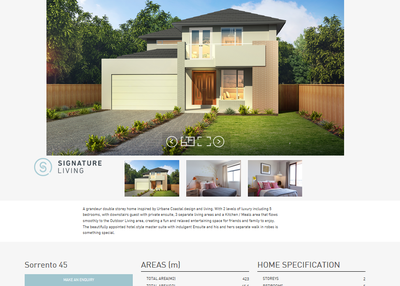
Discover the new feature by simply clicking through to your favourite home design & find the take a virtual tour button. Contact us today!