

Food delivery apps have changed how people order meals. With a few taps, users can enjoy food from nearby restaurants. Many startups now want to build a food delivery app like Uber Eats because of this rising demand. Uber Eats made food delivery fast, simple, and reliable.
The global food delivery market continues to grow every year. Busy lifestyles, smartphone use, and digital payments drive this growth. This creates a strong opportunity for entrepreneurs to enter the market with a smart and user-focused app.
I. Understanding the Market
The food delivery industry shows steady growth across cities and smaller towns. Customers value convenience, speed, and choice. Online ordering now feels normal for many households. Restaurants also depend on delivery platforms to reach more customers.
Uber Eats played a major role in shaping this market. It connected users, restaurants, and drivers on one platform. Its success pushed innovation and raised customer expectations.
Other popular platforms include DoorDash, Grubhub, Zomato, and Deliveroo. Each offers similar services with small differences. Studying these apps helps founders spot gaps and new ideas.
II. Key Features of Uber Eats
Uber Eats succeeded because it focused on user needs. Its clean design helps users order food quickly. Clear menus and smooth navigation reduce confusion and drop-offs.
Real-time order tracking builds trust. Users know when food is prepared and delivered. This reduces anxiety and improves satisfaction.
Multiple payment options also matter. Users can pay through cards, wallets, or cash in some regions. These features of food delivery app platforms keep users coming back.
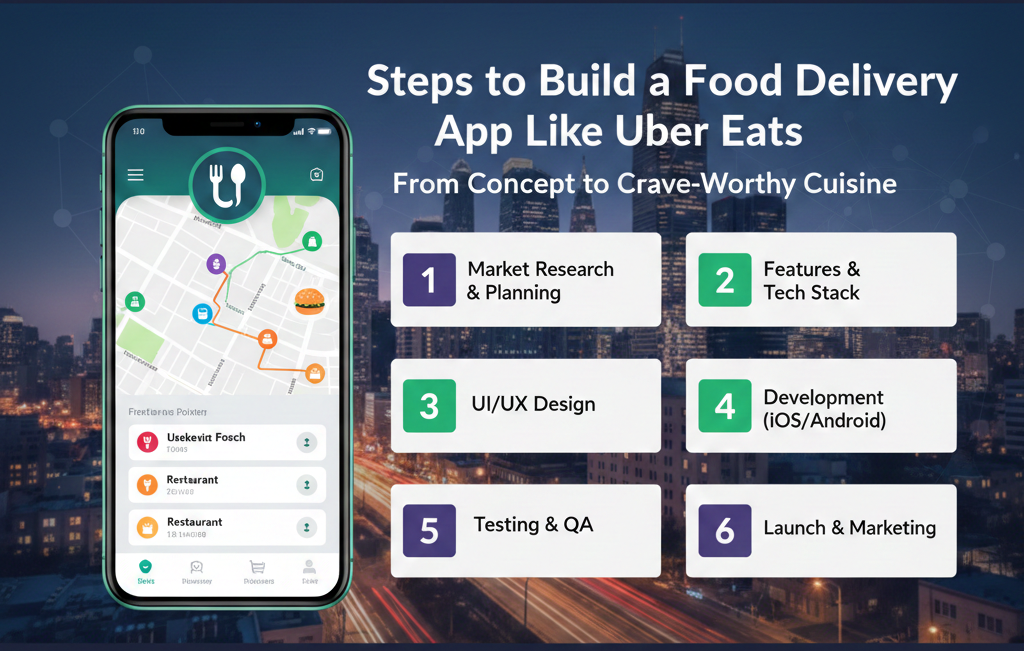
III. Steps to Build a Food Delivery App Like Uber Eats
Step 1: Market Research
Market research lays the foundation for success. It helps you understand user habits, local tastes, and spending behavior. Research also reveals gaps in existing apps.
Study competitors, pricing models, and service areas. Talk to restaurant owners and delivery partners. Strong research reduces risks when you plan the steps to build a food delivery app.
Step 2: Choose the Right Platform
Choosing the right platform affects reach and cost. iOS apps attract premium users, while Android offers wider market access. Each platform has different development needs.
Hybrid apps reduce time and cost but may limit performance. Native apps offer better speed and control. Many startups consult a mobile app development agency to decide the best approach.
Step 3: User-Friendly Interface
A simple interface improves user engagement. Users should find restaurants, menus, and offers without effort. Clear icons and readable fonts matter more than flashy designs.
Keep the checkout process short. Reduce steps and avoid clutter. A smooth design increases orders and repeat usage when you create a food delivery app.
Step 4: Real-Time Tracking
Real-time tracking improves transparency. Users like to see order status and driver location. This feature builds trust and reduces support calls.
GPS technology makes tracking accurate. It also helps drivers find routes faster. Real-time updates improve delivery speed and overall experience in food ordering app development.
Step 5: Multiple Payment Options
Payment flexibility attracts more users. Some prefer cards, while others use wallets or UPI. Cash on delivery still matters in many regions.
Secure payment gateways protect user data. Smooth payments reduce cart abandonment. This step supports growth in modern food delivery app development projects.
Step 6: Partnering with Restaurants
Restaurant partnerships define app success. A wide range of cuisines attracts more users. Local favorites also help build trust quickly.
Offer fair commissions and easy onboarding. Provide dashboards for menu and order management. A strong restaurant delivery app solution benefits both partners and users.
IV. Technology, Cost, and Monetization
Behind every successful app lies a strong technical base. The technology stack for food delivery app projects often includes React Native or Flutter, Node.js, and cloud hosting. These tools ensure speed and scalability.
A clear food delivery app architecture connects users, drivers, restaurants, and admins smoothly. An admin panel for a food delivery app helps manage orders, payouts, and performance.
The cost to build a food delivery app depends on features, platforms, and region. Basic apps cost less, while advanced tracking and analytics raise budgets.
Revenue comes from commissions, delivery fees, ads, and subscriptions. Choosing the right food delivery app monetization model ensures long-term profit. Many startups use on-demand app development solutions to speed up launches. Some begin with an Uber Eats clone app to test markets.
Working with a reliable food delivery app development company supports growth and stability. This approach also suits mobile app development for food startups aiming to scale fast.
V. Marketing and Launch
Marketing decides early success. Start promotions before launch. Build excitement on social media and local communities.
Influencer marketing works well for food apps. Partner with food bloggers and local creators. Offer discounts and referral rewards during launch.
Track feedback and improve features quickly. Continuous updates keep users engaged after launch.
Conclusion
Building a food delivery app needs planning, research, and smart execution. Focus on user needs, strong features, and smooth operations. When you build a food delivery app like Uber Eats, success comes from consistency and quality.
The food delivery market still offers room for innovation. Entrepreneurs with a clear vision can grow fast. Use these steps, refine your idea, and launch a platform users love.
FAQs
1. How long does it take to build a food delivery app?
A food delivery app usually takes four to six months to develop. The timeline depends on features, platforms, and team size. Advanced tracking, payments, and admin tools may increase development time.
2. Is it better to start with a single city?
Yes, starting with one city reduces risk. It helps test operations, user demand, and delivery logistics. Once the model works, expansion becomes easier and more cost-effective.
3. Do I need separate apps for users and drivers?
Most platforms use separate apps for users, drivers, and restaurants. This improves performance and role management. An admin dashboard connects and controls all activities centrally.
4. How can I attract restaurants to my platform?
Offer lower commissions at the start. Provide marketing support and easy onboarding. Transparent payouts and reliable delivery services also help build strong partnerships.
5. Can small startups compete with big food delivery apps?
Yes, small startups can succeed by focusing on local needs. Better service, niche cuisines, or faster delivery can create loyal users and steady growth.

Here’s presenting to you the best food delivery apps for the year 2020 that will help you get your food delivered to you as and when you need them.
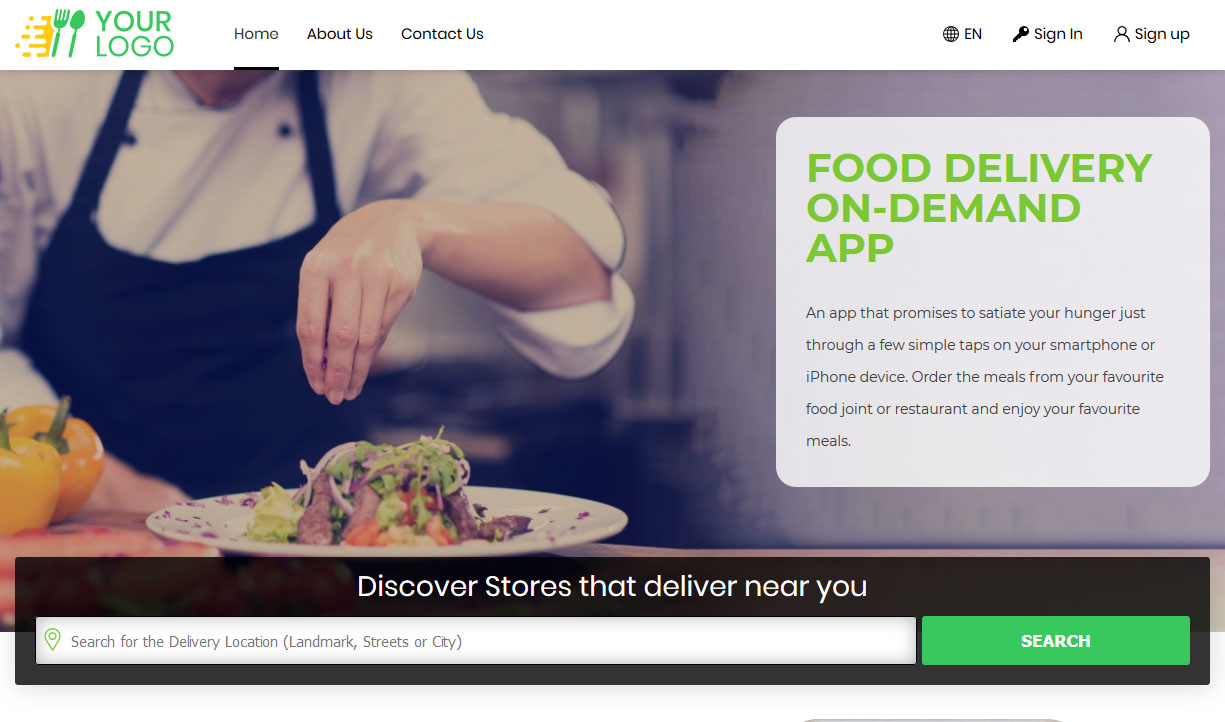
How food delivery industries have gone onto building profits thanks to the presence of on demand food delivery apps explaining its nature among new food delivery startups suggesting ways to go about building the app.