Surgery fixes the immediate problem, whether it's a new knee, repaired ligaments, or cleaned-up cartilage. But the surgeon's work is only half the battle. The real challenge begins with Post-Surgery recovery, which makes the difference between returning to normal life and dealing with chronic problems for years.
1. The Critical First 48 Hours
Right after surgery, your body enters crisis mode with spiking swelling and intense pain. This critical window sets the tone for your entire recovery.
Pain management comes first. Follow medication schedules exactly as prescribed instead of waiting until pain becomes unbearable. Staying ahead of pain allows you to move and function better, which speeds healing.
Ice application should be done religiously—20 minutes every 2 hours while awake. This controls swelling that would otherwise restrict movement and slow recovery.
Elevation helps gravity drain excess fluid from the surgical site. Keep it above your heart when possible to reduce swelling and pain.
Gentle movement should start immediately unless your surgeon says otherwise. Wiggling toes after knee surgery or making fists after shoulder surgery prevents stiffness and maintains circulation. Many people fear that moving too soon will damage the repair, but appropriate early movement actually prevents the scar tissue and stiffness that create long-term problems.
2. Weeks One Through Six: Protection and Prevention
Early Post-Surgery Rehab focuses on protecting the repair while preventing complications. Your surgeon will specify movement restrictions, whether that's no twisting after back surgery, limited weight-bearing after lower extremity procedures, or specific angle limits after certain repairs. Follow these rules absolutely.
Within those restrictions, move as much as possible. Walk short distances multiple times daily and perform gentle range-of-motion exercises to keep your body active without stressing the surgical site.
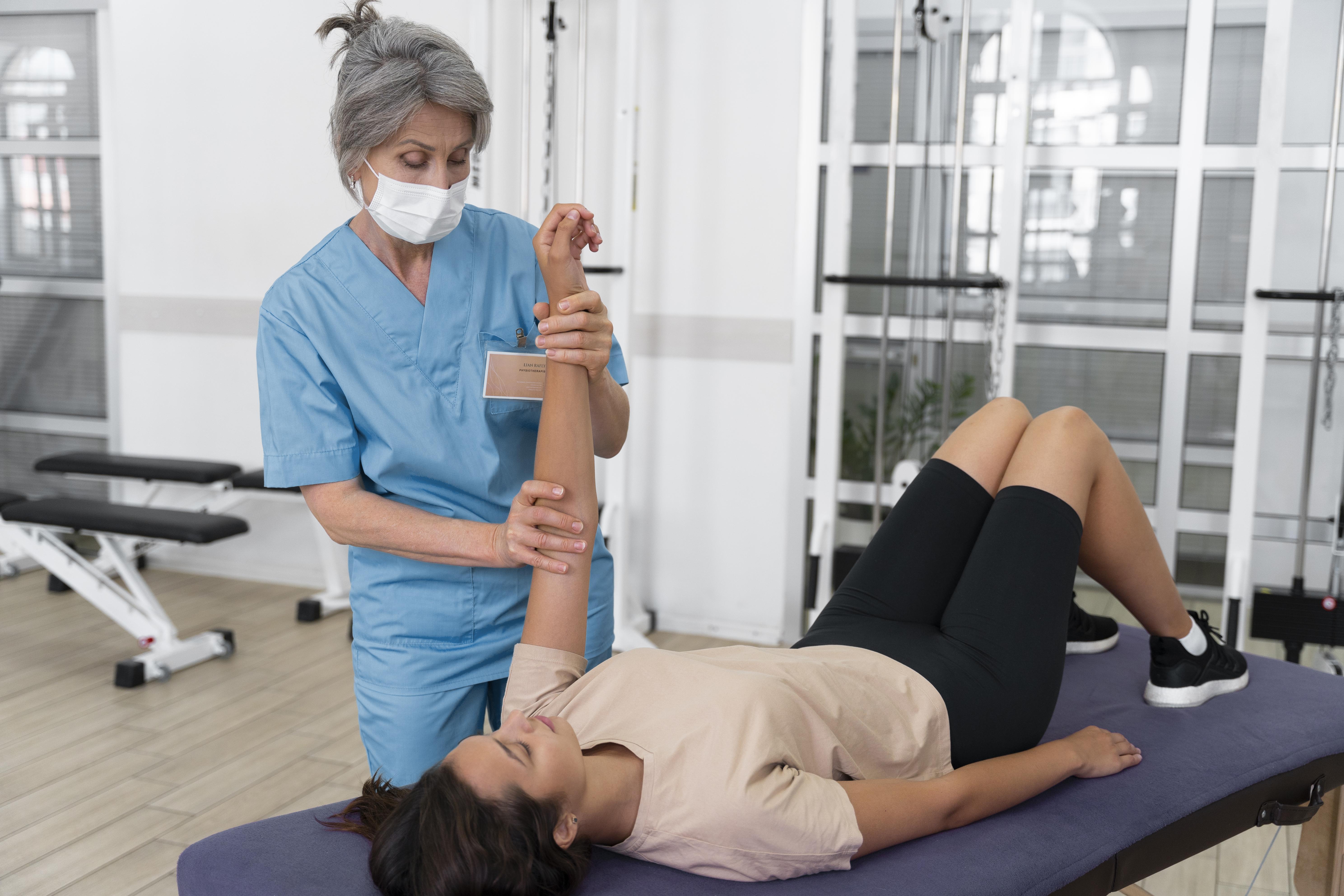
Physical therapy typically starts within days of surgery. Your first sessions will feel frustratingly basic, with exercises that seem pointless. These early exercises address immediate concerns like reducing swelling, restoring basic movement, preventing compensatory patterns, and building a foundation for harder work ahead.
Expect slow, non-linear progress. Some days you'll feel worse than the day before, which is completely normal as your body repairs damaged tissues and adapts to new hardware or altered anatomy.
3. Building Strength: The Game-Changer Phase
Around week six, most people transition to strengthening work, though exact timing depends on your specific surgery and healing progress. This phase separates people who return to full function from those who plateau at 70 or 80 percent.
Rehabilitation after surgery near you should include progressive resistance training tailored to your specific procedure. Cookie-cutter programs don't address individual needs or account for complications.
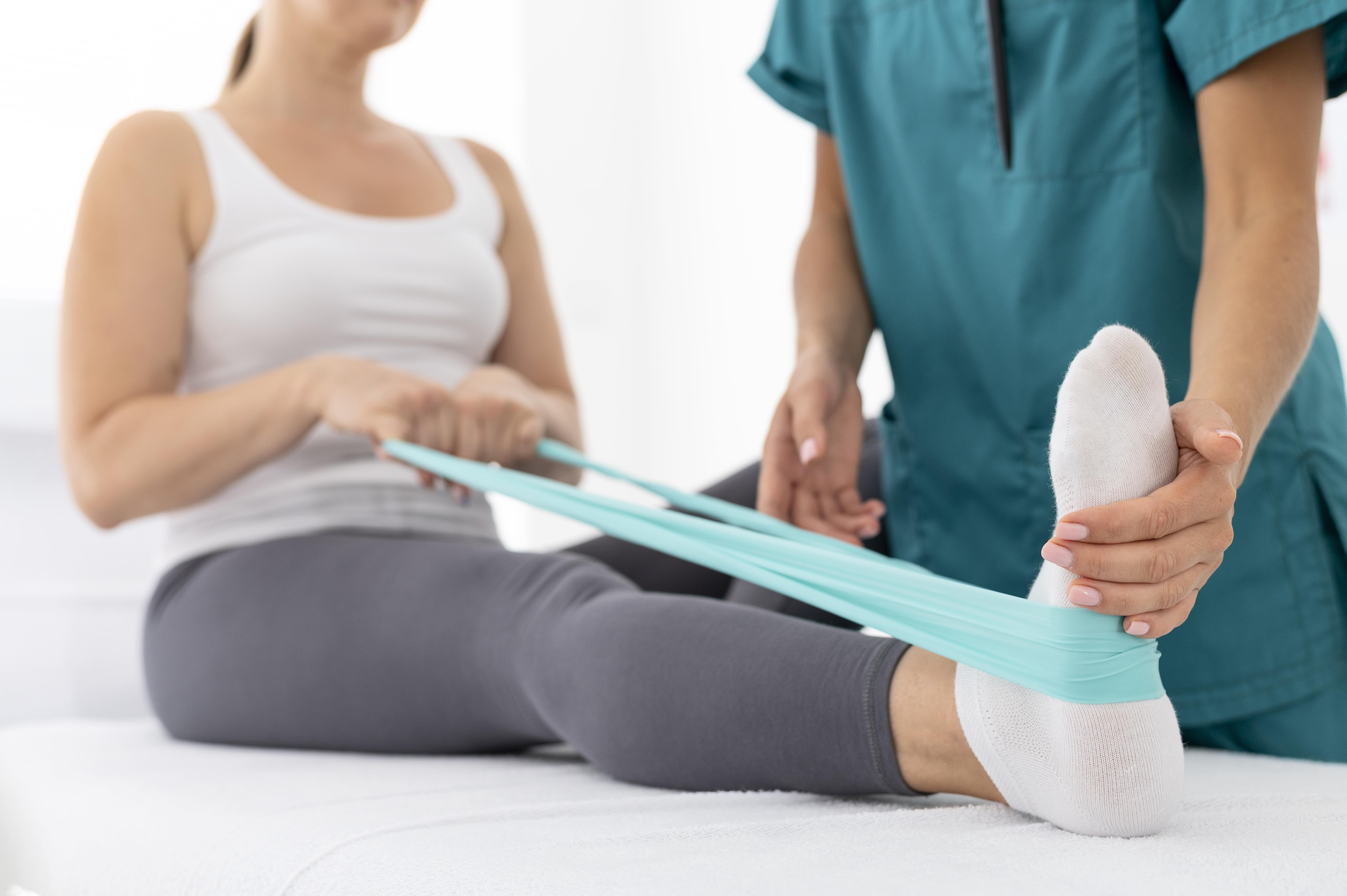
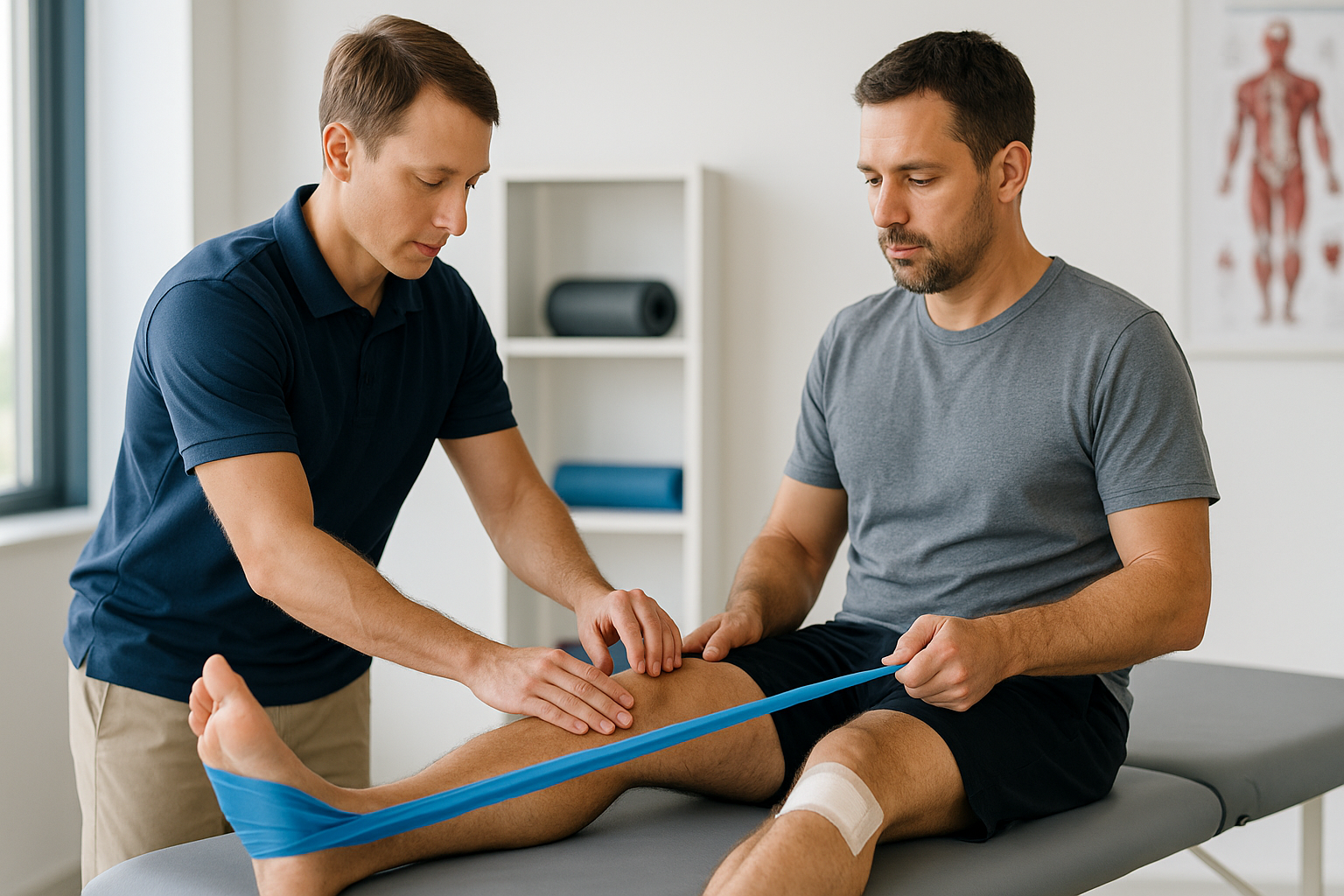
Start with bodyweight exercises or light resistance bands, gradually increasing difficulty as strength returns. Push hard enough to challenge muscles without causing sharp pain or excessive swelling.
Balance exercises become crucial during this phase because surgery disrupts proprioception—your body's sense of position and movement. Retraining this prevents future injuries and improves overall function.
Don't ignore your whole body. Even after knee surgery, maintain upper-body strength. If you had shoulder surgery, keep your legs strong. Letting everything else deteriorate makes life harder.
Track progress objectively by measuring how far you can walk, how much weight you can lift, and how long you can stand. Concrete numbers reveal improvement that day-to-day feelings might miss.
4. Conquering the Mental Challenges
Physical challenges are obvious, but mental struggles catch people off guard during Post-Surgery Rehab.
Depression commonly hits around week three or four when initial adrenaline fades, pain persists, and progress feels glacial. Chemical changes from anesthesia, pain medication, and reduced activity all affect mood, as does the stress of being unable to do normal activities.
Stay connected with people because isolation makes everything worse. Set small daily goals instead of focusing on distant achievements. Don't think about running a 5K again someday—focus on walking to the mailbox today.
Fear of re-injury becomes paralyzing for some people, leading to overprotection of the surgical site. This protective behavior prevents full recovery and often causes new problems. Work through these fears gradually with professional guidance to distinguish between appropriate caution and counterproductive fear.
5. What Quality Rehab Actually Delivers
Rehabilitation after surgery near you involves way more than just exercises when done properly.
Good therapists assess your entire movement system, identifying compensatory patterns you developed before surgery and spotting new issues emerging during recovery. They adjust treatment plans based on your individual response.
Manual therapy addresses scar tissue and restricted joints through hands-on techniques that improve mobility exercises alone can't touch. Education helps you understand what's happening and why, which improves compliance and outcomes.
Progression planning ensures you advance appropriately—not too slow to cause unnecessary plateaus, and not too fast to risk setbacks. Communication with your surgeon keeps everyone aligned, preventing problems from slipping through cracks.
6. Recognizing and Handling Complications
Some recoveries hit complications like infections, hardware problems, excessive scar tissue formation, or new injuries.
Recognize warning signs early: increasing pain instead of decreasing pain, redness and warmth around incisions, fever, or sudden inability to do things you could do yesterday. Report these immediately because waiting wastes critical time.
Sometimes progress just stalls despite doing everything right. Don't accept being stuck. If standard rehabilitation after surgery near you isn't producing results after a reasonable time, seek second opinions or specialized help.
7. Long-Term Success: Making It Permanent
Eventually, formal therapy ends, and you're cleared to return to normal activities. This is when many people backslide.
Maintain a basic exercise routine forever, because the strength and mobility you built during Post-Surgery Rehab can quickly fade without maintenance. Twenty minutes three times weekly prevents regression.
Address the factors that led to the initial need for surgery—bad movement patterns, muscle imbalances, or excessive weight. Ignoring these guarantees leads to future problems.
Listen to your body long-term because the operated area remains more vulnerable for years. Minor aches deserve attention before becoming major issues.
Post-Surgery Rehab doesn't truly end when therapy stops. It transitions into ongoing self-care that maintains the function you worked so hard to regain. Stay active, keep moving, maintain strength, and protect your investment in recovery.
Done right, proper rehabilitation gets you back to living fully instead of just surviving with limitations.