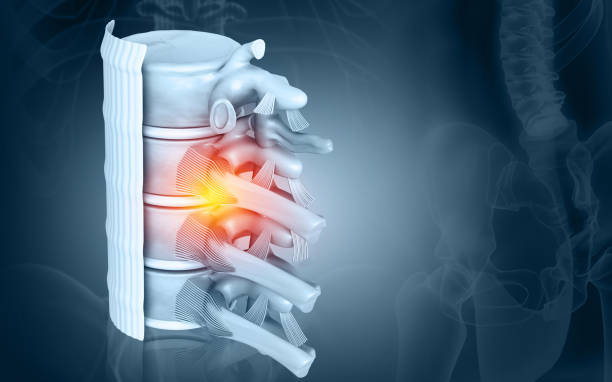



Orthopedic problems often begin quietly. A mild knee ache, occasional back stiffness, or shoulder discomfort after long hours of work is easy to ignore. Many people assume such issues are temporary and will resolve on their own. However, orthopedic health is closely linked to early diagnosis and timely intervention. Delaying consultation can transform manageable conditions into chronic, painful, and mobility-limiting problems that significantly affect quality of life.
Early consultation with an orthopedic specialist plays a critical role in preventing long-term complications. It allows individuals to understand the root cause of pain, correct harmful habits, and receive evidence-based guidance before irreversible damage occurs.
Understanding the Nature of Orthopedic Problems
Orthopedic conditions involve bones, joints, muscles, ligaments, tendons, and the spine. Common problems include arthritis, disc issues, ligament injuries, posture-related pain, and sports injuries. Many of these conditions develop gradually due to poor ergonomics, repetitive strain, aging, obesity, or untreated minor injuries.
Without professional evaluation, people often rely on painkillers or home remedies that mask symptoms rather than addressing the cause. Over time, this can lead to joint degeneration, reduced flexibility, muscle weakness, and structural damage that requires extensive treatment.
The Importance of Early Diagnosis
Early consultation enables accurate diagnosis using clinical evaluation and, when required, imaging or laboratory tests. Identifying a condition in its initial stage allows doctors to recommend conservative treatments such as physiotherapy, posture correction, lifestyle changes, or targeted exercises.
Platforms like DocMed help patients connect with experienced orthopedic specialists who focus on timely assessment and personalized care plans. Such early interventions often prevent the need for surgery and reduce long-term healthcare costs while preserving mobility and independence.
Preventing Chronic Pain and Disability
One of the biggest advantages of early orthopedic consultation is the prevention of chronic pain. Conditions like osteoarthritis, slipped discs, or tendonitis worsen over time if left untreated. Early management can slow disease progression, reduce inflammation, and improve joint stability.
For example, addressing early knee pain with strengthening exercises and weight management can delay or prevent cartilage damage. Similarly, early treatment of spinal issues can prevent nerve compression and long-term disability. These proactive steps help individuals maintain an active and productive lifestyle.
Reducing the Risk of Surgical Intervention
Surgery is often considered a last resort in orthopedic care. Many surgeries can be avoided when problems are identified early. Conservative treatments are most effective in the initial stages of musculoskeletal conditions.
Timely consultation allows doctors to monitor progress, adjust treatment plans, and intervene before the condition becomes severe. Patients who seek early advice often experience faster recovery, fewer complications, and better long-term outcomes compared to those who delay care.
Improving Recovery from Injuries
Sports injuries, workplace accidents, or minor falls can cause damage that is not immediately apparent. Ignoring these injuries may lead to improper healing, instability, or recurring pain.
Early orthopedic evaluation ensures proper diagnosis and guided rehabilitation. Structured recovery plans help restore strength, flexibility, and joint function while reducing the risk of re-injury. This is especially important for athletes, fitness enthusiasts, and individuals with physically demanding jobs.
Addressing Lifestyle and Posture-Related Issues
Modern lifestyles contribute significantly to orthopedic problems. Prolonged sitting, poor posture, lack of physical activity, and improper footwear can strain joints and muscles. Early consultation helps identify these risk factors and provides corrective strategies.
Orthopedic specialists often guide patients on ergonomic adjustments, exercise routines, and daily habits that protect musculoskeletal health. Making these changes early prevents cumulative damage and supports long-term well-being.
Long-Term Cost and Quality of Life Benefits
Delaying orthopedic care often leads to higher medical expenses due to advanced treatments, surgeries, and prolonged rehabilitation. Early consultation, on the other hand, focuses on prevention and cost-effective management.
More importantly, it preserves quality of life. Mobility, independence, and freedom from chronic pain are essential for mental and physical health. Early action empowers individuals to stay active, confident, and engaged in daily activities.
Those seeking professional guidance or specialist support can easily reach out through Contact us options provided by trusted healthcare platforms, ensuring timely access to expert orthopedic care.
FAQs
1. When should someone consult an orthopedic specialist?
An orthopedic consultation is recommended if joint or muscle pain persists for more than a few days, worsens over time, or limits daily activities. Early evaluation is key to preventing complications.
2. Can early consultation really prevent surgery?
Yes. Many orthopedic conditions respond well to early conservative treatment such as physiotherapy, medication, and lifestyle changes, reducing the likelihood of surgical intervention.
3. Are minor aches and pains a cause for concern?
Occasional discomfort is common, but recurring or persistent pain should not be ignored. Early assessment helps rule out underlying issues and prevents progression.
4. How does early treatment improve recovery?
Early treatment promotes proper healing, prevents compensatory movement patterns, and reduces the risk of chronic pain or re-injury.
5. Is early orthopedic care beneficial for older adults?
Absolutely. Early care helps manage age-related conditions, maintain mobility, and enhance independence, improving overall quality of life.
Conclusion
Early consultation is a proactive step toward long-term orthopedic health. By addressing problems at their onset, individuals can prevent chronic pain, avoid invasive treatments, and maintain an active lifestyle. Orthopedic care is most effective when it focuses on prevention, timely diagnosis, and personalized management. Seeking expert advice early is not just about treating pain—it is about protecting mobility and well-being for years to come.