When I first started working on electronic control systems, I quickly realized that not all relays are created equal. Traditional electromechanical relays work fine in many situations, but when precision, reliability, and speed are essential, they often fall short. That’s when I discovered the benefits of the Solid State Relay, and it completely changed the way I approach electrical projects.
What is a Solid State Relay?
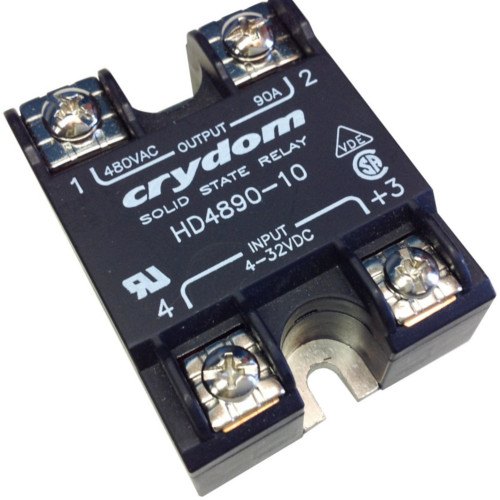
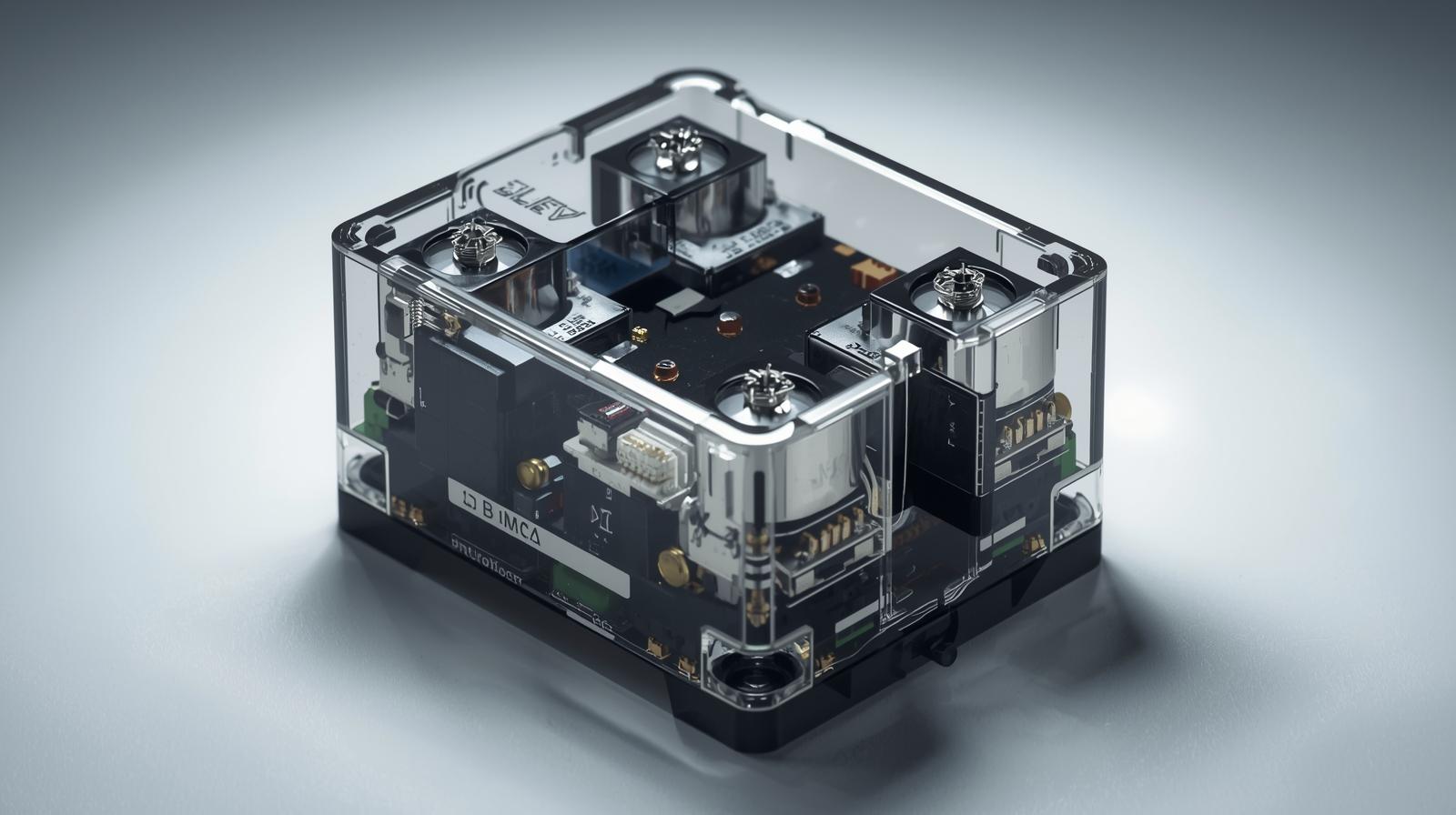
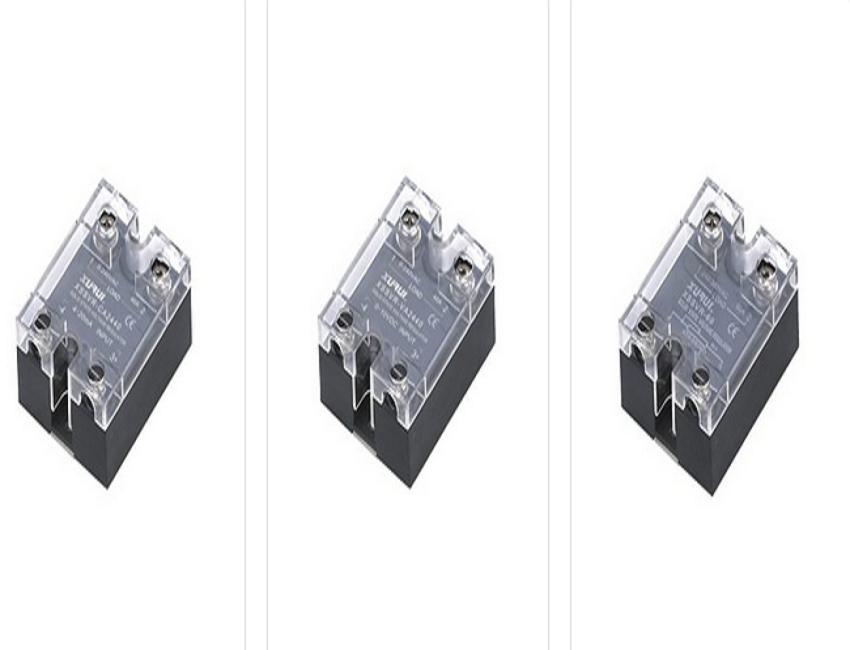
A Solid State Relay (SSR) is an electronic switching device that uses semiconductor components to switch electrical loads on and off without moving parts. Unlike mechanical relays, SSRs rely on opto-isolation and solid-state electronics to perform the switching. This makes them faster, quieter, and more reliable over time.
From my experience, the biggest advantage of SSRs is their durability. Since there are no mechanical contacts, the risk of wear and tear is eliminated, and they can handle thousands—even millions—of cycles without failure. This is particularly useful in industrial applications where systems operate continuously and downtime is costly.
Key Advantages of Using Solid State Relays
Faster Switching Speed
One thing I noticed immediately is how quickly a Solid State Relay can switch. While mechanical relays may struggle to switch repeatedly at high speeds, SSRs handle rapid on/off cycles effortlessly. This is ideal for applications like heating control, motor speed regulation, or automated lighting systems.
Longer Lifespan
SSRs don’t have moving parts, so they aren’t subject to mechanical fatigue. From my own projects, I’ve seen SSRs last significantly longer than traditional relays, even under heavy usage. This reduces maintenance costs and improves system reliability.
No Electrical Noise
Mechanical relays often produce a clicking sound when switching. In sensitive environments like labs or audio production rooms, this can be disruptive. I was pleasantly surprised to find that SSRs switch silently, which is a subtle but appreciated improvement in a professional setting.
Enhanced Safety
Because SSRs use opto-isolators, they provide better isolation between the control signal and the load. This means that your low-voltage control circuits are safer from high-voltage spikes. Personally, this peace of mind has made me more confident when designing circuits that handle large currents.
Common Applications for Solid State Relays
I started integrating SSRs into my projects gradually, and here are some areas where I found them particularly useful:
Industrial Automation: Controlling motors, heaters, and machinery with high-frequency switching demands.
HVAC Systems: Regulating temperature with precise, consistent control.
Lighting Control: Managing large arrays of LED or fluorescent lighting without mechanical wear.
Home Automation: Reducing noise and increasing reliability in smart home devices.
Every project I’ve worked on that required frequent switching or high reliability benefited from replacing mechanical relays with SSRs.
Tips for Choosing the Right Solid State Relay
Selecting the right SSR for your application can be tricky if you don’t know what to look for. Here are some tips I follow:
Voltage and Current Ratings: Always make sure the SSR can handle the load. Overloading a relay can shorten its lifespan or cause failure.
Switching Type: SSRs can be zero-crossing (for AC loads) or random turn-on. Zero-crossing SSRs reduce electrical noise, while random turn-on types are better for applications needing immediate switching.
Heat Dissipation: Even SSRs generate heat, so proper heat sinks or cooling methods are necessary to prevent overheating.
Control Voltage: Match the control voltage to your system to ensure proper operation.
By paying attention to these details, I’ve avoided many common pitfalls that beginners often encounter when switching to SSRs.
Final Thoughts
Switching from mechanical relays to a Solid State Relay has been a game-changer for my projects. The combination of speed, durability, and safety makes SSRs an excellent choice for both hobbyists and professionals. Whenever I start a new electrical or automation project now, I always consider SSRs first—they just make sense.