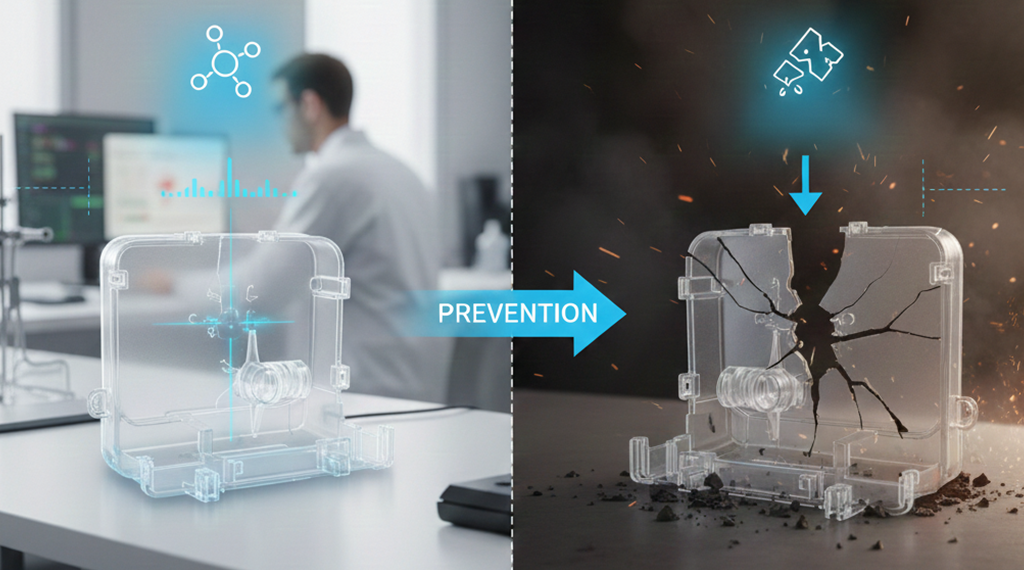


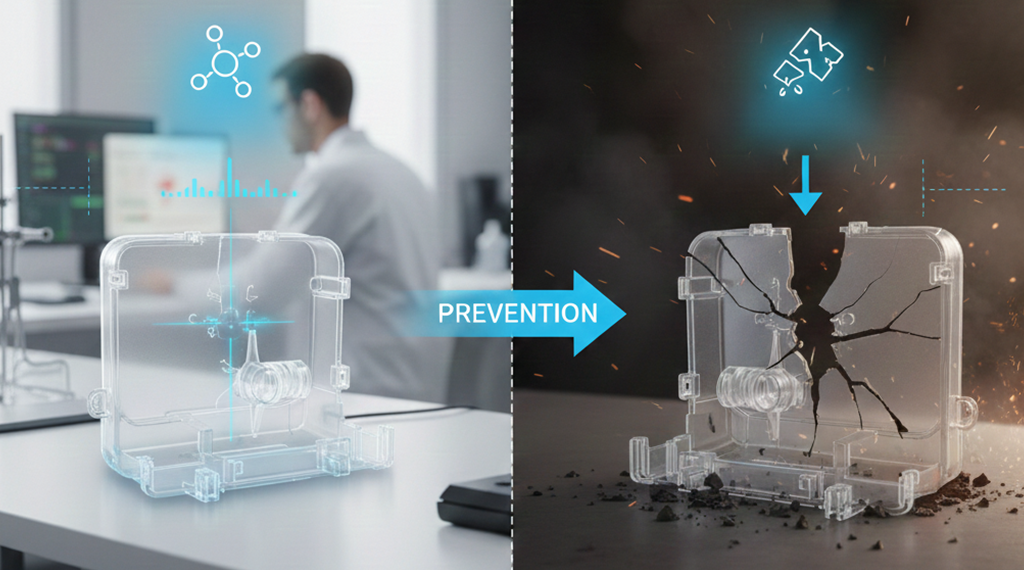
Nowadays, products are becoming more advanced, which raises questions about reliability, particularly in the automotive, manufacturing, and packaging sectors of South Africa. Engineers can receive evidence-focused details with polymer material testing. This will help engineers understand the behaviour of materials and improve the durability of their products. Businesses can avoid costly mistakes and improve the performance of all the components.
Understanding the Real Causes of Polymer Failures
Polymer materials testing allows engineers to determine if there is any chance of failure. Problems occur on a microscopic level, like weakness in the structure, which gradually turns into fractures or cracks, leading to the breakdown of the material.
Various factors contribute to the failure of a polymer, like chemical attack, improper design, and exposure to UV or mechanical stress. Engineers can verify with the help of polymer identification if the right material was mentioned and the manufacturing process was compliant with the standards or not.
Why Polymer Material Testing Is Critical for Prevention
Reliable polymer material testing is essential to determine the behaviour of a material before it fails. This understanding helps in industries where compliance, dependability, and safety cannot be compromised. Learn in detail about the way materials testing can minimise risks associated with operations and safety,
With the help of material testing, businesses can:
● Evaluate the sustainability of polymers for mechanical, particular temperature or harsh environmental conditions.
● Determine errors in processing or contaminants that influence the early degradation of products.
● Finding unsuitable grades of polymer that weaken when tested under heat, exposure to chemicals and pressure.
● Determining the balance of additives that ensure the accurate ratio of fillers, stabilisers, and reinforcements is incorporated, which can impact the polymer.
● Minimises operational and legal risks by determining the weakness before distributing the product in the market.
● Support compliance and certification, which supports manufacturers who can make sure that industry standards are met before the product reaches the market.
Having the information can make sure manufacturers revise their design or production issues to avoid costly failures like replacements, safety risks, and warranty claims.
Key Testing Methods That Protect Product Integrity
The right polymer material testing incorporates different scientific methods and various behaviour reveals the following:
● Microscopy helps find out the defects, voids and cracks that are not visible during routine checks.
● FTIR analysis determines the chemical structure of the polymer, which determines the correct type and grade.
● DSC testing identifies changing thermals, melting points and behaviour of crystallisation that affects the performance and processing.
● TGA assessment reviews filler levels, stability of thermals and additive content, which are important for high-heat exposure and flame-resistant environments.
Applying Test Results to Improve Product Performance
With the analytical data, engineers can use it to make practical improvements in the polymer material. The changes can include the grade of the polymer, moulding temperature, and the use of chemical or UV stabilisers. The valuation information from materials testing can help manufacturers:
● Make changes in the components for better durability.
● Reduces the chances of product recall and warranty claims.
● Minimises downtime of operations.
● It also helps with quality assurance.
● Improve the strength of suppliers by giving them the details required for verification.
These details and evidence can make the products reliable, strong and safe for customers.
Real-World Industries That Rely on Polymer Material Testing
Some of the most demanding and main industries of South Africa depend on polymer material testing to make sure the standards of compliance, safety and durability are met. The industries are:
● Food and product packaging rely on polymer testing to make sure the material can handle pressure, changes in the environment, and protect the items from contamination.
● The construction industry uses polymers, so the material should be able to withstand temperature, UV and humidity.
● Automotive manufacturers use plastic which is able to withstand vibration, heat and mechanical stress.
● Renewable energy, where cables and housing components need lasting stability to handle the outdoor conditions.
To learn more about different standards, refer to the South African Bureau of Standards.
Conclusion
In the current performance-driven environment, polymer material testing is one of the most useful ways to avoid failures and enhance dependability. Recognising risks in the initial stage, finalising whether the material is suitable or not and considering data-driven engineering can help South African industries avoid downtime. It also keeps customers safe and develops reliable and lasting products.