

Key Takeaways:
- Keep a glass or bottle of water on your nightstand to maintain hydration during the night.
- Listen to music and use aroma therapy to improve sleep.
- Develop a sleep hygiene routine using moisturizers, sleep masks, or other items to create a peaceful and predictable atmosphere.
When was the last time you had a restful sleep? It’s important to note the distinction between a good night’s sleep and a restful sleep. Most moms probably don’t get enough of either. But the goal should always be to improve the quality of sleep because quality determines alertness and energy for the new day.
It’s hard for moms to prioritize their needs, since they might feel selfish and that looking after their health is diminishing their focus on their little ones. That’s why it’s so crucial to realize that self-care is essential to your ability to provide.
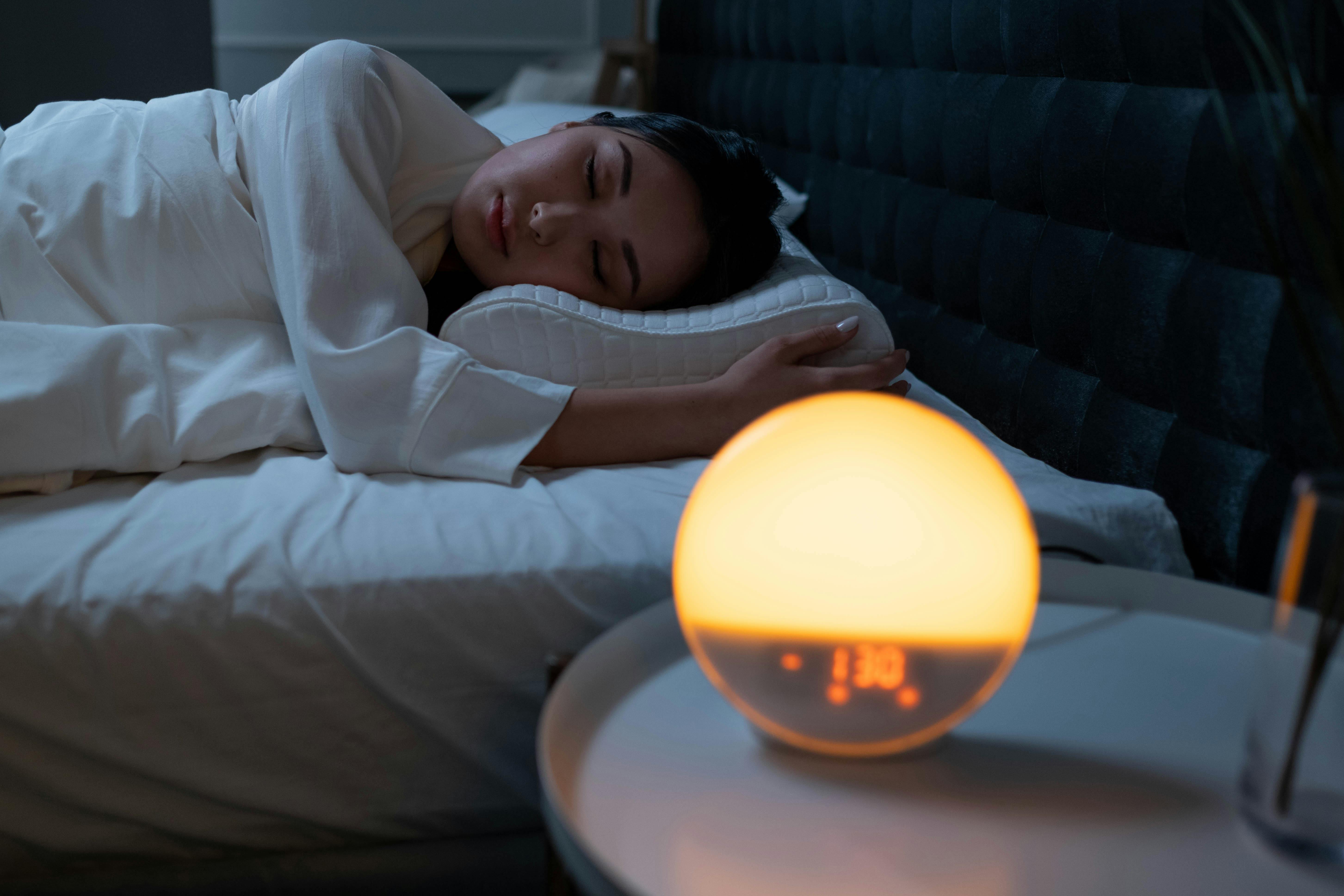
This guide offers several tips for self-care, tips that can help improve your restful sleep. We will address simple healthy routines and discuss the importance of designing your sleep environment to enhance self-care and relaxation.
Hydration Is Crucial to Self-Care
As you’re going about your day, busy with drop-offs, pick-ups, feedings, and any other number of activities, how often do you remember to stop and take a drink? We all know that water is so important, but too often, life gets in the way.
Daily hydration helps deliver nutrients throughout the body, supports organ function, aids in the flushing of toxins, and helps boost mental and physical performance. There’s also a strong link between hydration and sleep.
When you’re dehydrated, it can affect your sleep-wake cycle and even the quality of your sleep. These symptoms lead to discomfort, which, in turn, results in restlessness. The physical symptoms of dehydration include:
- Dry mouth
- Headaches
- Muscle cramps
To prevent these problems, it’s important to drink enough water every day (this varies based on age, weight, and activity level). You can improve water intake easily by incorporating hydrating foods into your diet during the day and keeping a water carafe on your nightstand at night.
Sound and Aroma Can Be a Gateway to Better Sleep
Self-care and sleep often depend on cultivating focus in your space and life. Finding mental peace is about seeking calm and being in the present moment. If you’re constantly surrounded by the noise of worry and the distraction of media and technology, it’s nearly impossible to find genuine rest.
That’s not to say all noise is bad. In fact, noise can benefit sleep under certain conditions and for some people. If you live in a noisy city, somewhere where it’s impossible to get away from the sounds of traffic or people, consider using ambient sounds, such as white or pink noise, to soften the distractions.
Additionally, consider pairing the white noise with specific sleep-aiding scents, such as lavender, vanilla, or coconut. Using a gentle scented lotion, lighting a candle, or laying an herb sachet on your bedside can create a soothing atmosphere while you settle in.
Organization and Predictability Create Peace Amid Chaos
Clutter affects sleep and mental health. If you want better and restful sleep, then organize your bedroom. Your sleep space should be free of distractions. It should be home to nightly routines and furnishings that bring comfort and peace to your schedule.
Develop a sleep hygiene ritual, a specific nighttime routine that prepares you for relaxation and sleep. For example, every night about an hour before bed, disconnect from all screens and devices. During that time, get ready for bed, use coconut oil for skin renewal, apply a facial mask, and just let the worries of the day fade into the background.
Self-care is ultimately about developing a routine that allows you to make peace with the present. It’s about giving yourself the opportunity to indulge in self-love. While you should strive for self-care throughout your day, most moms are lucky to find a few minutes in the quiet before they go to bed.