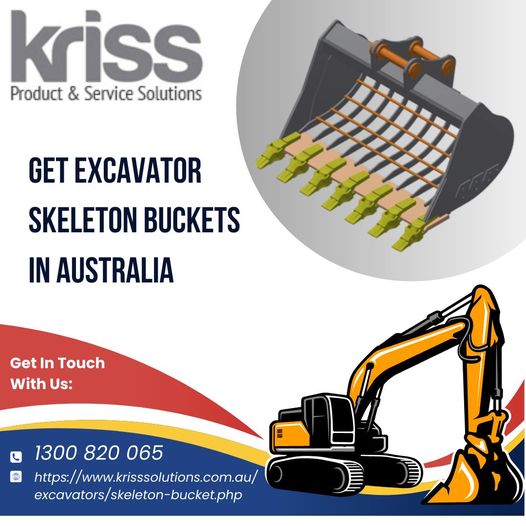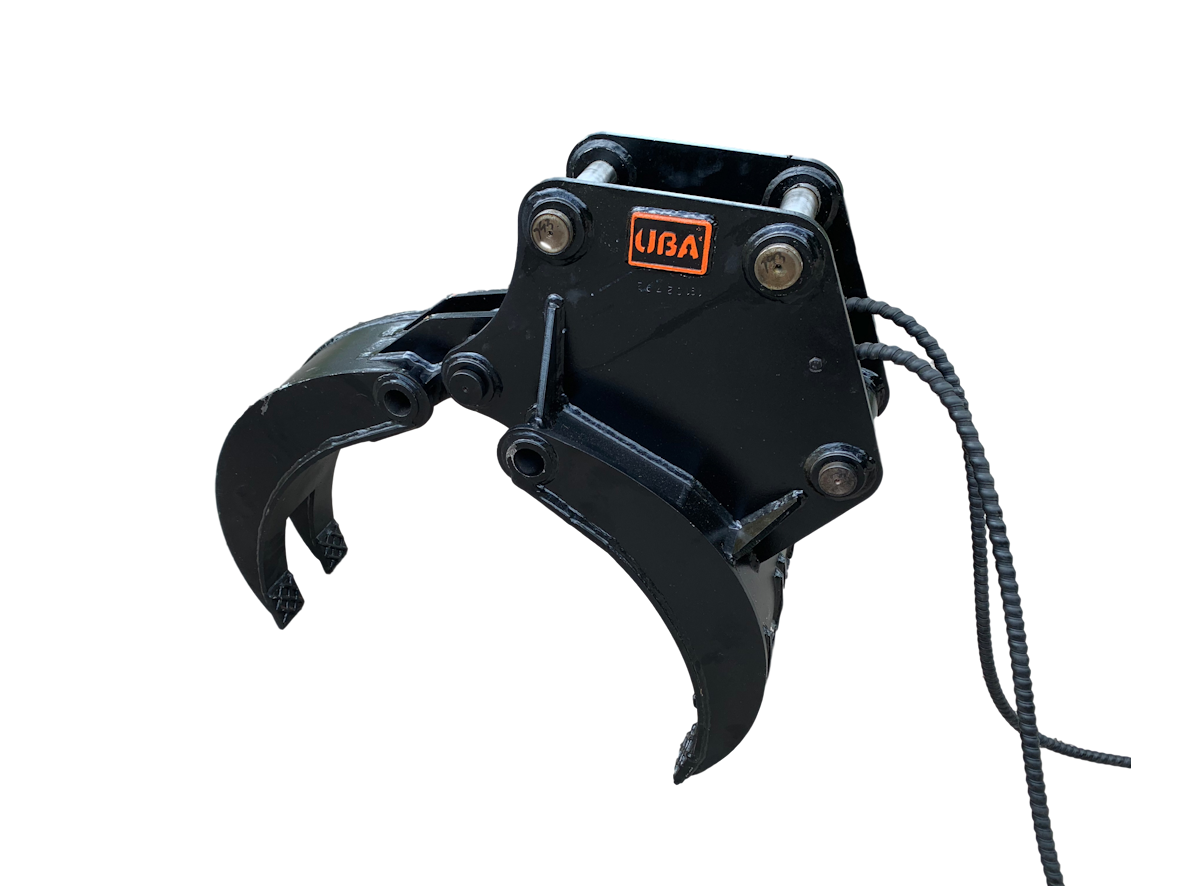


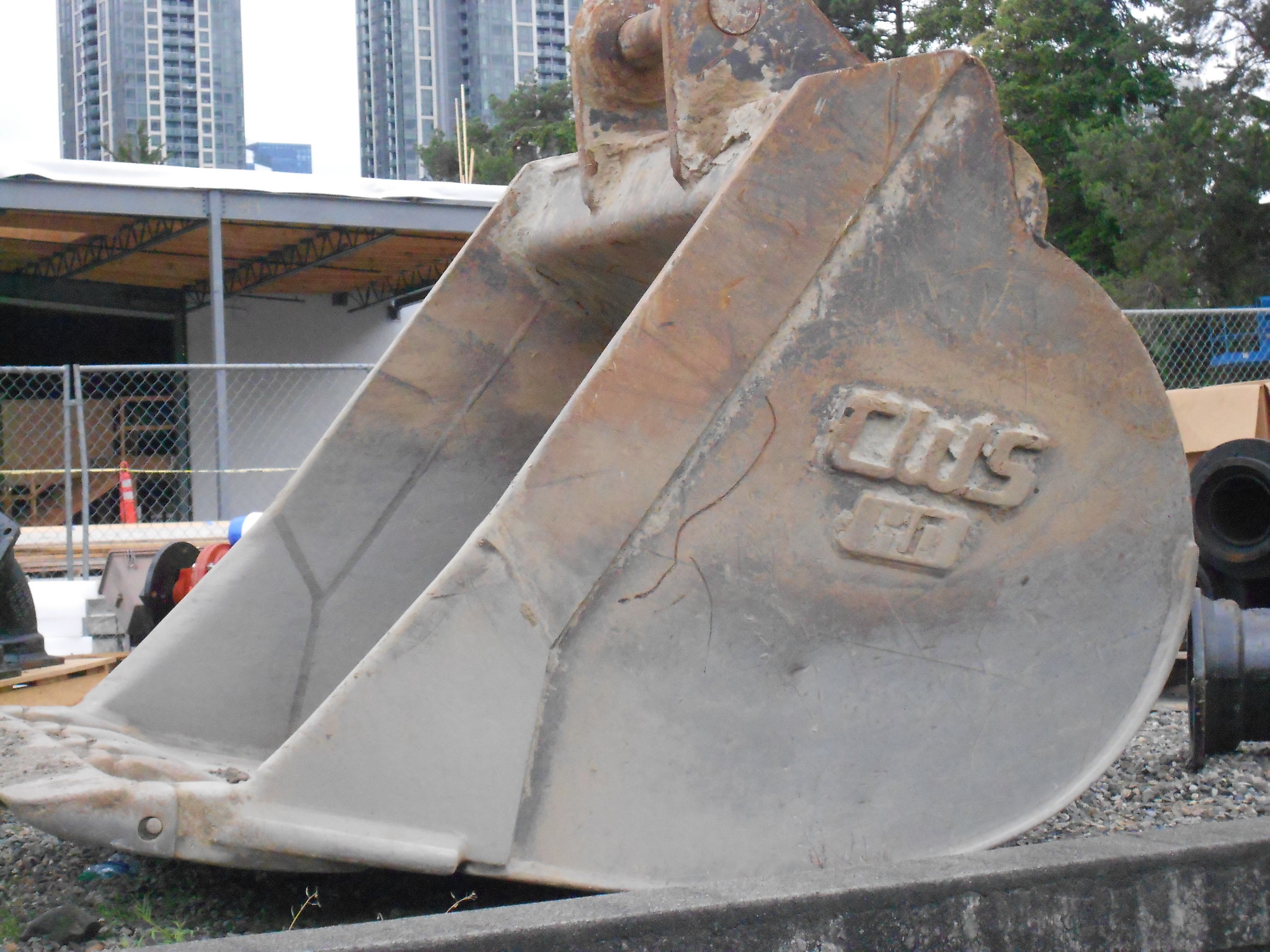
Excavators are among the most versatile and indispensable machines on construction sites, performing tasks ranging from digging and grading to demolition and material handling. Central to their functionality is the excavator bucket, an attachment designed to maximize efficiency and performance. While often overlooked, the bucket is critical to the machine’s overall capability. Understanding the types, designs, and applications of excavator buckets helps construction professionals optimize their equipment, reduce downtime, and increase productivity.
The Role of Excavator Buckets
An excavator bucket serves as the primary tool for moving earth, rocks, gravel, and other materials. It is engineered to handle heavy loads while maintaining durability under extreme conditions. The design and size of a bucket directly impact the efficiency of excavation, trenching, and material handling operations. Beyond digging, buckets can be used for loading, lifting, grading, and even demolition, depending on the specific type and attachment.
Choosing the right bucket for a task ensures that the excavator operates safely and efficiently. An improper bucket can lead to excessive wear, machine strain, and slower project completion. By selecting the appropriate bucket, construction teams can achieve precision, speed, and cost-effectiveness.
Types of Excavator Buckets
Excavator buckets come in a variety of designs, each tailored for specific applications. Standard digging buckets are the most common, designed for general-purpose excavation of soil, sand, and gravel. They are often equipped with reinforced edges and teeth to penetrate compacted materials.
Trenching buckets are narrower and deeper, ideal for digging utility lines, pipelines, and drainage systems. Their design allows for precise excavation while minimizing disturbance to surrounding areas. Rock buckets are built for heavy-duty tasks, featuring reinforced steel, additional wear plates, and teeth designed to handle abrasive and dense materials such as stone or concrete debris.
Other specialized buckets include grading or ditching buckets, which have wider openings and smooth edges for leveling, shaping, and finishing surfaces. Tilt buckets allow operators to angle the bucket for sloping, grading, or contouring, providing greater flexibility in site preparation. Each type of bucket serves a distinct purpose, making it essential to match the bucket to the specific project requirements.
Materials and Construction
Excavator buckets are constructed from high-strength steel to endure the demands of heavy-duty work. Modern designs often incorporate wear-resistant alloys to extend the life of the bucket and resist abrasion. Reinforced edges, side cutters, and base plates are common features in buckets used for rocky or highly abrasive environments.
Teeth are an integral component, enabling the bucket to penetrate soil, clay, or rock efficiently. They are typically made from hardened steel and can be replaced when worn, reducing the need to replace the entire bucket. Pins, bushings, and mounting brackets are also reinforced to withstand repeated stress and ensure secure attachment to the excavator arm.
Advancements in metallurgy and manufacturing have resulted in buckets that combine strength with reduced weight, allowing operators to maintain precision while minimizing strain on the excavator’s hydraulic system. Proper construction ensures long-term durability, reduces maintenance costs, and improves overall operational efficiency.
Applications in Construction and Industry
Excavator buckets are used in a wide range of industries beyond traditional construction. In road and infrastructure projects, buckets are employed to dig trenches for utilities, prepare foundations, and remove debris. In mining and quarry operations, specialized rock buckets handle heavy and abrasive materials, improving productivity while reducing wear on equipment.
Landscaping projects benefit from grading and ditching buckets, which allow precise shaping of terrain for drainage, pathways, and planting areas. Demolition and recycling operations often use heavy-duty buckets to collect rubble, sort materials, and assist in site cleanup. Agricultural applications may also employ buckets for moving feed, soil, or silage, demonstrating their versatility across multiple industries.
Choosing the Right Bucket
Selecting the right excavator bucket involves evaluating factors such as the type of material, excavator size, and project requirements. Standard digging buckets are suitable for general excavation, while rock or heavy-duty buckets are required for dense, abrasive materials. Trenching and grading buckets provide precision for utility and landscaping tasks.
The capacity of the bucket must also be considered. A bucket that is too large may overload the excavator, reduce maneuverability, and strain the hydraulic system. Conversely, a bucket that is too small can increase cycle times and reduce productivity. Working closely with equipment specifications ensures compatibility, safety, and optimal performance on the job site.
Maintenance and Longevity
Regular maintenance of excavator buckets is essential to maximize their lifespan and performance. Inspecting for wear on teeth, edges, and side cutters allows for timely replacement before damage affects productivity. Proper cleaning, lubrication of pins and bushings, and checking mounting connections prevent premature wear and costly downtime.
In abrasive environments, applying protective coatings or using wear-resistant components can further extend bucket life. Proper storage when not in use also prevents corrosion and damage. A well-maintained bucket not only performs better but also ensures that the excavator operates efficiently, safely, and reliably across multiple projects.
Enhancing Productivity with Bucket Attachments
The right excavator bucket significantly enhances operational efficiency. For instance, tilt or grading buckets allow operators to perform multiple tasks without changing attachments frequently, reducing cycle times. Heavy-duty rock buckets minimize wear on the machine while handling dense materials, allowing continuous operation in demanding environments.
Investing in high-quality buckets with replaceable components, reinforced edges, and ergonomic designs improves productivity and reduces maintenance costs over time. Construction professionals who optimize bucket selection can achieve better results, faster project completion, and improved equipment longevity.
Conclusion: The Importance of the Excavator Bucket
While excavators are powerful machines, their performance is directly influenced by the buckets they carry. From general-purpose digging to precision trenching, grading, and heavy-duty rock handling, excavator buckets are essential tools in modern construction, mining, landscaping, and industrial applications. Choosing the right bucket, maintaining it properly, and understanding its capabilities ensures that projects are completed efficiently, safely, and cost-effectively.
Investing in quality excavator buckets enhances the versatility and productivity of the machine, allowing operators to tackle a wide range of tasks with confidence. Whether for heavy construction, infrastructure development, or specialized industrial applications, the excavator bucket remains a cornerstone of modern earthmoving operations.