

Celtic culture is alive and thriving today. It is more than just history; it is a celebration of life, sound, and identity. From the misty Highlands of Scotland to big cities around the world, the Celtic spirit connects millions of people.
At the heart of this culture are two things: Music and Festivals. These traditions tell the stories of the past through powerful melodies and rhythmic dances. Whether it is the roar of a bagpipe or the fast beat of a drum, Celtic music moves the soul.
In this guide, we will explore the best festivals to visit in 2026 and the traditional instruments that create this unique sound. You will also learn about the "Ceilidh" the famous Scottish party where everyone gathers to dance. Let’s dive into the rhythm of the Highlands!
Iconic Celtic Festivals You Must Experience in 2026
Celtic festivals celebrate living history. These events bring people together through music, dance, and tradition. If you love Scottish culture, you must visit these top festivals in 2026.
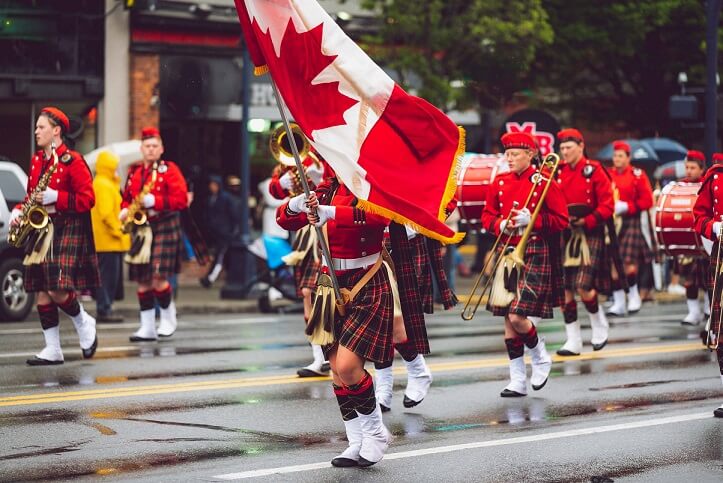
The Royal Edinburgh Military Tattoo (August 7–29, 2026): This is the world's most famous military show. In 2026, the theme is "A Call to Gather." You will see hundreds of drummers and bagpipers at the Edinburgh Castle. It is a powerful display of Scottish pride.
Celtic Connections, Glasgow (January 15 – February 1, 2026): This is Europe's biggest winter music festival. Over 1,200 artists perform every year. You can enjoy folk, roots, and modern Celtic music in the heart of Glasgow. It is the best place to discover new Scottish bands.
St. Augustine Celtic Music & Heritage Festival (March 14–15, 2026): Located in Florida, USA, this is a top-rated cultural event. It features Highland Games and live music. Many people wear their family kilts to celebrate their ancestors here.
Hebridean Celtic Festival (July 15–18, 2026): People call this "HebCelt." It happens in Stornoway, Scotland. This festival focuses on the Gaelic language and island traditions. It offers a very authentic and friendly atmosphere.
The Soul of the Sound: Traditional Celtic Instruments
Celtic music has a unique sound. Specific instruments create this magical atmosphere. Each one has a deep history and a special role in the melody.

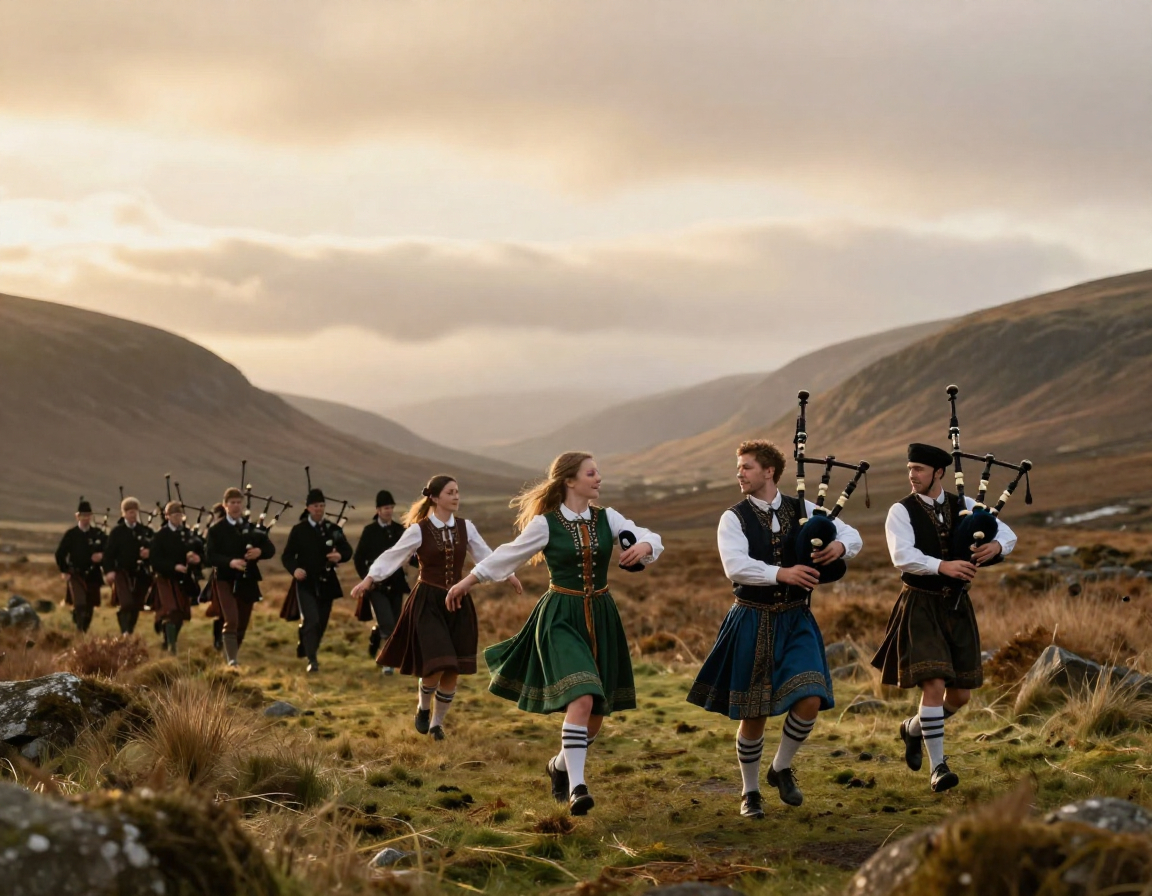
- The Great Highland Bagpipe: This is the most famous Scottish instrument. It produces a loud, powerful sound. In the past, Scots used bagpipes to lead soldiers into battle. Today, they are the heart of every parade and festival.
- The Fiddle: This instrument looks like a violin, but the playing style is different. Fiddlers play fast and energetic tunes for dancing. It is the lead instrument in most "Ceilidh" bands. The rhythm makes people want to dance immediately.
- The Bodhrán: This is a traditional frame drum. You hold it with one hand and strike it with a small wooden stick called a "tipper." It provides the heartbeat of Celtic music. Modern players now use it in folk and rock fusion.
- The Celtic Harp (Clàrsach): This is the national instrument of Scotland. Its sound is soft and peaceful. It represents the ancient and poetic side of Celtic culture. You will often hear it at traditional weddings and formal dinners.
- The Tin Whistle: This is a small, six-holed metal pipe. It is very popular because it is portable and inexpensive. Despite its size, it can play very complex and fast melodies. It adds a bright, cheerful tone to the music.
Modern Celtic Fusion & Folk Music
Celtic music is changing. Many young artists today mix ancient sounds with modern styles like Rock, Pop, and Electronic music. This "Fusion" keeps the culture alive for the new generation.
- Celtic Rock: Bands are now using electric guitars alongside bagpipes. This creates a high-energy sound that is perfect for big concerts. It makes traditional music feel fresh and exciting.
- Electronic Folk: Some musicians combine the fiddle or the harp with electronic beats. You can hear this style in modern clubs and at international festivals. It proves that Celtic music is not just for the past.
- Global Influence: Celtic music is now reaching every corner of the world. Artists from different countries are adding their own local flavors to Scottish tunes. This makes the Celtic community feel like one big global family.
- The Rise of Indie Folk: Many independent artists use acoustic instruments to tell modern stories. They keep the storytelling tradition alive but focus on life in 2026. This style is very popular on social media and streaming platforms
The "Ceilidh" Experience: What to Expect
A Ceilidh (pronounced "Kay-lee") is the ultimate Scottish party. It is a social gathering filled with high-energy dancing, laughing, and traditional music. You don't need to be a professional dancer to join in; the caller explains every move.
- The Atmosphere: Expect a room full of energy. People of all ages dance together in circles or pairs. It is the best way to experience true Scottish hospitality and community spirit.
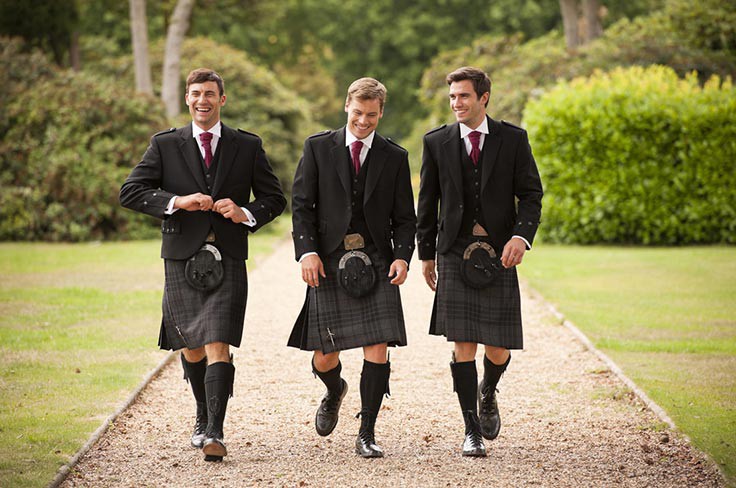
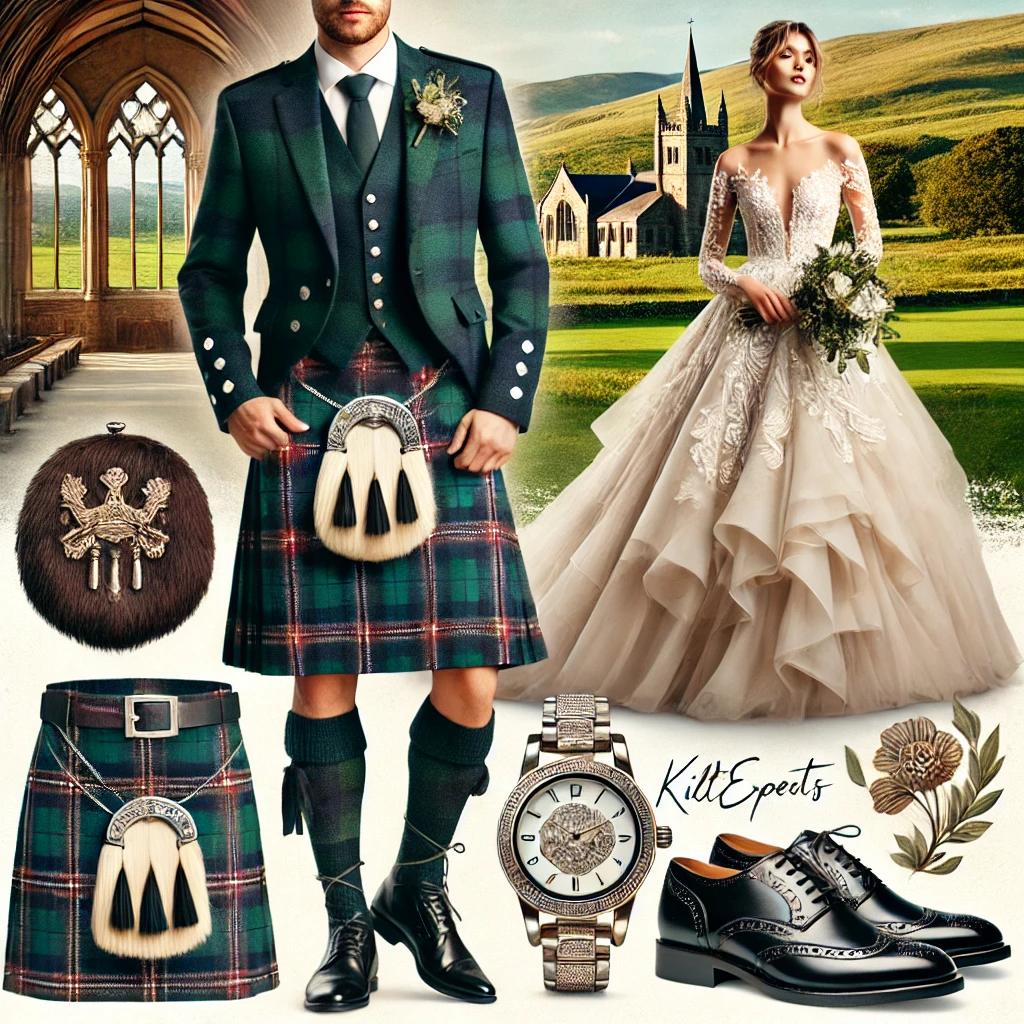
- The Dress Code: Most people wear traditional Highland dress to a Ceilidh. Wearing a Kilt is the most popular choice because it allows you to move freely while you dance. A Utility Kilt is perfect for a casual event, while a Tartan Kilt is great for formal celebrations.
- Socializing: A Ceilidh is not just about dancing. It is a place to meet new people and share stories. It is a "non-stop" event that often lasts until the early morning hours.
- What to Bring: Wear comfortable shoes and your favorite kilt. The dancing is fast, so you will stay cool and comfortable in traditional attire.
Why Heritage Matters in the Modern World

History is more than just dates in a book. It is about identity and belonging. Today, more people are looking back at their roots to find meaning in a fast-changing world.
- Preserving Language: Festivals help keep the Gaelic language alive. Many songs and poems are still performed in their original form. This connects the past directly to the present.
- Cultural Identity: For many, wearing a family tartan or playing a traditional instrument is a way to say, "This is who I am." It builds a bridge between different generations.
- Sustainability: Traditional Celtic crafts, like hand-woven kilts and handmade jewelry, focus on quality and longevity. This supports a more sustainable and meaningful way of living.
Celtic festivals and music are the heartbeat of Scotland. They offer a unique way to experience history, joy, and community all at once. Whether you are dancing at a Ceilidh or listening to the powerful sound of bagpipes at the Edinburgh Tattoo, you are part of something bigger.
Now is the perfect time to explore your heritage. Grab your kilt, find a festival near you in 2026, and dive into the beautiful world of Celtic culture. The music is playing, and the dance floor is waiting for you!