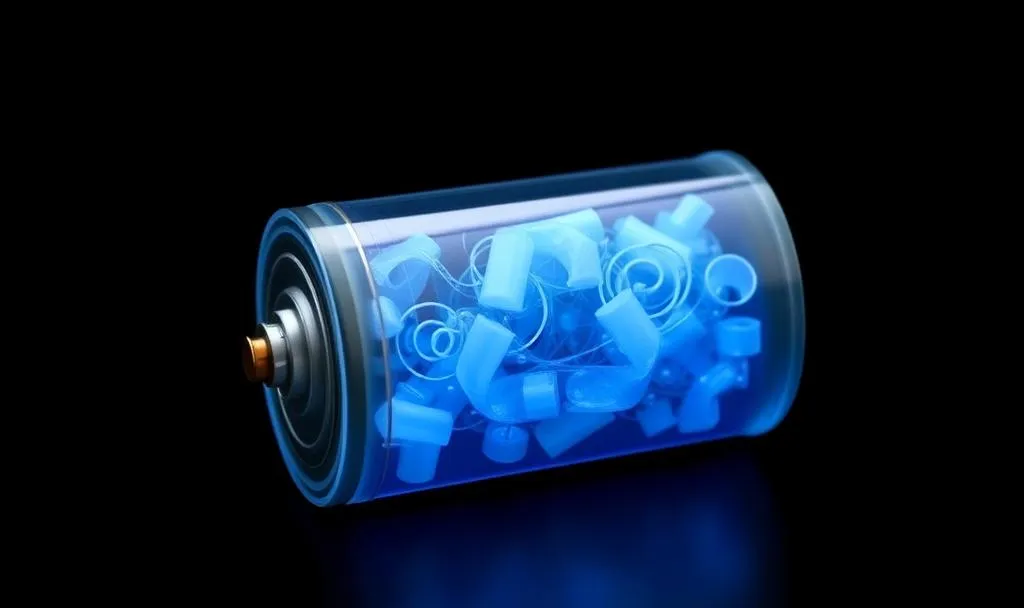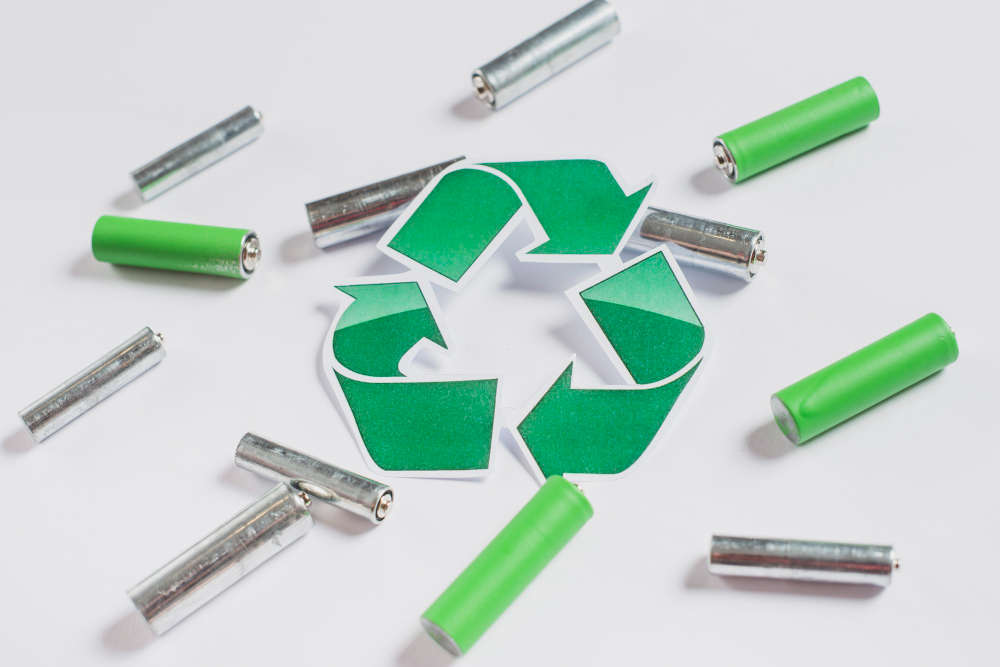
Lithium-Ion Battery Recycling involves the recovery and reuse of materials from discarded or end-of-life lithium-ion batteries. The process allows valuable elements such as lithium, cobalt, nickel, and other metals to be extracted and reused in new battery production. Recycling helps reduce environmental pollution, limits the need for new raw material extraction, and supports sustainable battery supply chains. As the use of electric vehicles, electronics, and energy storage systems continues to rise, lithium-ion battery recycling plays a vital role in waste management and the development of a circular economy.
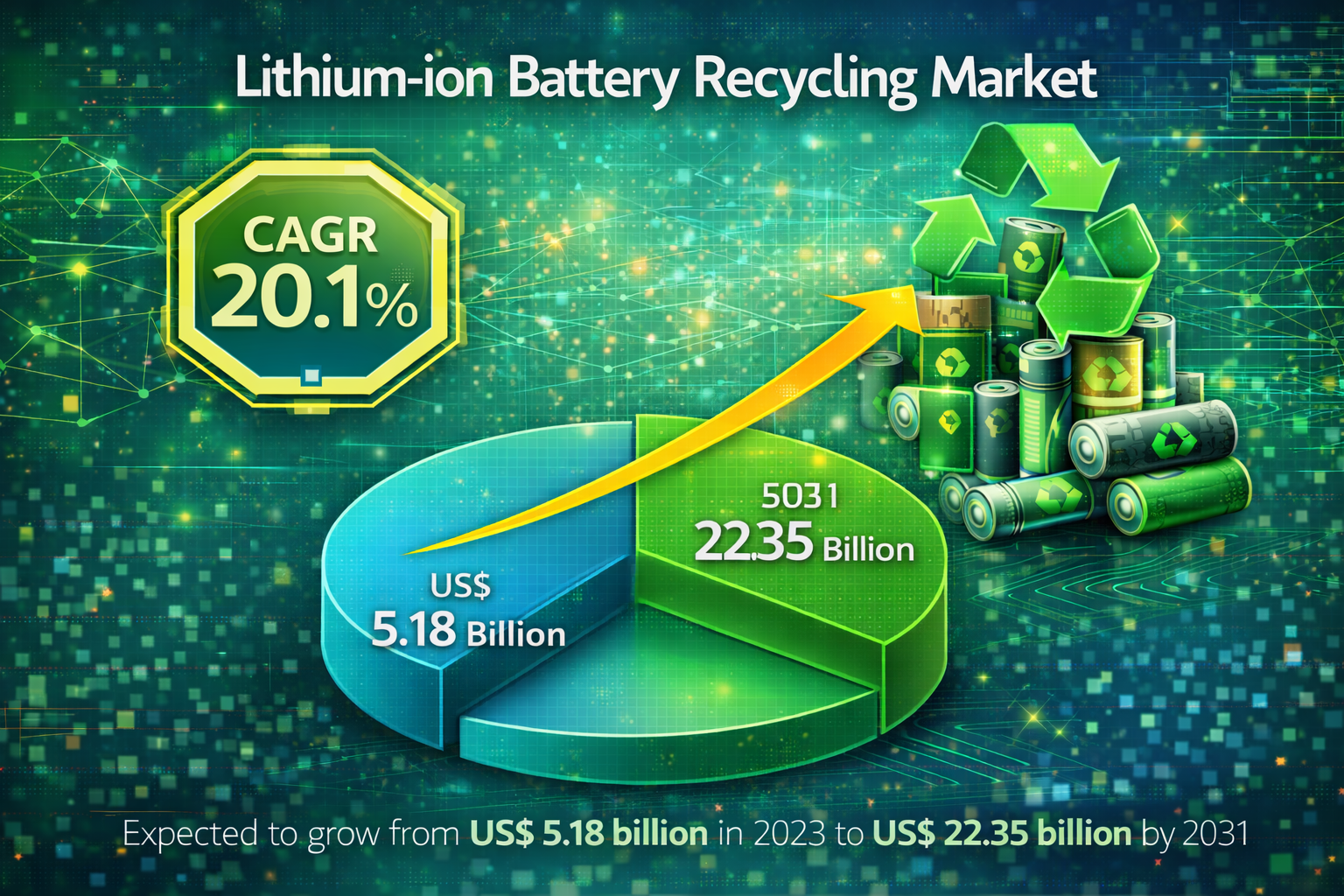
The rapid global adoption of electric vehicles has emerged as the most decisive force shaping the lithium-ion battery recycling market. According to Lithium-Ion Battery Recycling Market Size, Share, and Analysis by 2031, the market is expected to grow from US$ 5.18 billion in 2023 to US$ 22.35 billion by 2031, registering a CAGR of 20.1 percent during the forecast period. This strong expansion is directly linked to rising EV penetration, increasing volumes of end of life batteries, and the growing need for sustainable material recovery.
Electric Vehicles as the Primary Market Catalyst
Electric vehicles rely heavily on lithium-ion batteries due to their high energy density, long lifecycle, and efficiency. As EV production and sales continue to accelerate, the number of batteries entering the market has surged. Over time, these batteries reach performance degradation thresholds that make recycling a necessity rather than an option. This lifecycle reality is creating a steady and predictable supply of spent batteries for recycling companies.
The automotive sector has already become the dominant application segment in the lithium-ion battery recycling market. Automakers are increasingly integrating recycling strategies into their supply chains to ensure regulatory compliance, reduce raw material dependency, and manage battery disposal responsibly. Recycling also allows manufacturers to recover valuable metals such as lithium, cobalt, nickel, and manganese, which are critical inputs for new battery production.
Environmental and Regulatory Alignment
The shift toward electric mobility is closely tied to global climate goals and emissions reduction strategies. Governments promoting EV adoption are simultaneously strengthening policies related to battery waste management. Strict regulations around chemical waste disposal and extended producer responsibility frameworks are compelling OEMs and battery suppliers to invest in recycling partnerships and infrastructure.
These regulatory drivers work in tandem with EV growth to create a favorable environment for the lithium-ion battery recycling market. Recycling helps mitigate the environmental impact of mining activities, including water pollution and habitat disruption, while supporting a circular economy approach to battery materials.
Advancements in Battery Technology Supporting Recycling
Continuous improvements in battery chemistry and design are also influencing recycling demand. Advanced lithium-ion batteries used in modern EVs contain higher concentrations of recoverable materials, making recycling more economically viable. Technologies such as hydrometallurgical processing and direct recycling methods improve recovery efficiency and reduce energy consumption compared to traditional approaches.
At the same time, the diversification of battery chemistries, including lithium-nickel manganese cobalt and lithium-iron phosphate, is encouraging recyclers to innovate flexible processes capable of handling mixed battery streams. These technological developments strengthen the long term scalability of recycling operations.
Download a sample PDF: https://www.theinsightpartners.com/sample/TIPRE00009267
Expanding Opportunities Beyond Automotive
While electric vehicles remain the core growth driver, future opportunities extend beyond the automotive sector. Consumer electronics, industrial machinery, mining equipment, and stationary energy storage systems are increasingly dependent on lithium-ion batteries. As renewable energy adoption rises, energy storage systems paired with solar and wind power are becoming more common, adding another layer of recycling demand.
In Asia Pacific, strong EV manufacturing ecosystems and electronics production have positioned the region as the market leader. Europe follows closely, driven by stringent environmental legislation and circular economy mandates, while North America is seeing rising public and private investment in domestic recycling capacity.
Key Players Supporting Market Expansion
- Ecobat Technologies providing large scale recycling capabilities
- American Manganese Inc. focusing on advanced hydrometallurgical recovery
- Fortum integrating recycling within clean energy systems
- GEM Co. Ltd leveraging urban mining for battery metals
- International Metals Reclamation Company specializing in sustainable material recovery
- Li-Cycle Corp. expanding spoke and hub recycling networks
- Neometals Ltd advancing next generation recycling technologies
- Retriev Technologies Inc. supporting closed loop battery supply chains
- Recupyl Battery Solutions strengthening European recycling infrastructure
- TES PTE Ltd integrating battery and electronic waste recycling
Future Outlook
Looking ahead, electric vehicles will remain the cornerstone of lithium-ion battery recycling market growth through 2031. As EV fleets mature and battery replacement cycles accelerate, recycling volumes are expected to rise sharply. Combined with regulatory enforcement, material recovery innovations, and expanding applications in energy storage, the market is poised to evolve into a critical pillar of the global clean energy and mobility ecosystem.
Related Report
Lithium-Ion Battery Materials Market Growth and Share by 2031
https://www.theinsightpartners.com/reports/lithium-ion-battery-materials-market
Lithium Ion Secondary Battery Electrolyte Market Report 2031
https://www.theinsightpartners.com/reports/lithium-ion-secondary-battery-electrolyte-market