

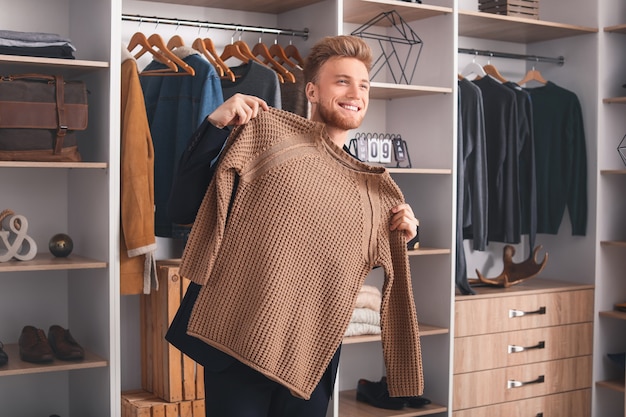
For busy professionals, dressing well doesn’t always have to mean sacrificing comfort. The modern workplace demands versatility, with schedules often stretching from early meetings to evening social events. A wardrobe that balances refinement and ease can make daily routines smoother while projecting confidence and professionalism. Understanding how to mix style and comfort is key to looking polished without feeling restricted.
Choosing Pieces That Work Double Duty
Investing in items that seamlessly transition between different environments saves time and stress. For example, tailored blazers paired with soft fabrics can be worn to formal meetings yet still feel comfortable when seated for long periods. Similarly, trousers with a bit of stretch or dresses with breathable materials allow for movement while maintaining a structured silhouette. Opting for multifunctional pieces ensures you are prepared for any unexpected engagement without changing your entire outfit.
Emphasizing Texture and Fabric
Fabric choices play a significant role in achieving a relaxed yet refined appearance. Lightweight wool, high-quality cotton, and stretch blends offer both comfort and durability. Incorporating textures such as subtle knits or fine silks can elevate a look without adding stiffness. Choosing the right material can prevent the discomfort associated with long hours in formal settings, making it easier to maintain a polished look throughout the day.
Streamlining Accessories
Accessories can elevate a simple outfit while maintaining practicality. Minimalist watches, structured handbags, and understated jewelry provide a finishing touch without overpowering the look. Opting for versatile shoes, such as low-heeled pumps or stylish loafers, ensures you can move around comfortably without sacrificing elegance. By keeping accessories intentional and practical, your wardrobe feels cohesive and professional at all times.
Layering for Flexibility
Layering is an essential strategy for professionals with unpredictable schedules. Lightweight cardigans, fitted jackets, or sleeveless vests can be added or removed depending on temperature or setting. This approach allows you to stay comfortable while remaining prepared for client meetings, office work, or casual after-work gatherings. Layers also create opportunities to mix and match outfits, expanding your wardrobe options without needing more pieces.
Color Coordination Strategies
Choosing the right color combinations can make outfits appear more structured without requiring heavy tailoring. Neutral palettes like beige, navy, and grey create a refined impression, while subtle pops of color in accessories or underlayers add personality. This approach keeps your overall look cohesive and professional while allowing for effortless styling. Thoughtful color coordination can save time in the morning and prevent last-minute wardrobe stress.
Incorporating Casual Elements
Relaxed elements in a formal wardrobe can enhance comfort without compromising professionalism. Soft-knit tops under structured blazers or tailored pants paired with elegant sneakers provide a modern, functional approach. These adjustments allow you to feel at ease throughout the day, reducing the tension that often comes with rigid clothing choices. Practical enhancements like these make a busy professional’s day more manageable while keeping style intact.

Strategies for Long Days
Long workdays require outfits that maintain their shape and feel comfortable. Choosing breathable fabrics, garments with slight stretch, and well-fitting shoes can prevent fatigue. Additionally, considering the overall fit ensures that items do not create unnecessary pressure or discomfort. Implementing formal attire comfort tips here allows professionals to navigate meetings, presentations, and client interactions while staying confident and at ease.
Seamless Transitions from Office to Evening
For those who often move from office duties to evening social engagements, planning versatile ensembles is crucial. Dresses with simple lines or separates that can be accessorized differently allow for quick transformations. Incorporating subtle changes such as swapping flats for heels or adding statement jewelry can instantly elevate a daytime outfit to evening-appropriate attire. The work-to-dinner style is a practical solution for professionals seeking elegance without the hassle of carrying multiple outfit changes.
Maximizing Wardrobe Longevity
Investing in quality pieces rather than quantity ensures your wardrobe remains functional and stylish for years. Prioritizing durable fabrics, classic cuts, and neutral shades allows for frequent mixing and matching. Regular maintenance, such as proper washing and careful storage, preserves the garment’s shape and color. Professionals who focus on longevity reduce daily decision fatigue while maintaining a consistently polished image.
Understanding Key Outfit Categories
Having a clear sense of outfit categories helps streamline dressing decisions. Recognizing the differences between traditional office wear, client-facing attire, and casual professional options ensures your wardrobe is balanced. Knowing which items fit into various contexts, combined with formal attire comfort tips, makes assembling outfits faster and more efficient. Familiarity with business attire types also allows for confident choices in a variety of professional situations, ensuring you are appropriately dressed without overthinking every combination.
Conclusion
A polished yet relaxed wardrobe is achievable for busy professionals with careful planning and thoughtful selection of clothing and accessories. Emphasizing comfort through fabric choices, layering, and multifunctional pieces ensures that style and ease coexist. By integrating practical strategies for long days, seamless outfit transitions, and versatile accessories, professionals can project confidence without compromising comfort. With the right approach, dressing well becomes a sustainable and enjoyable part of the daily routine.