

When it comes to hydraulic and pneumatic systems, the humble cylinder tube is often the unsung hero. Yet, the internal surface finish and dimensional precision of that tube directly determine seal life, system efficiency, and operational reliability. Consequently, manufacturers and end-users increasingly demand premium solutions — and that is where a true Honed Cylinder Tube stands apart. In this introduction, we’ll unpack the manufacturing secrets behind premium honed tubes: what processes, controls, and material choices create measurable performance gains. Moreover, we’ll explain why investing in a high-quality Honed Cylinder Tube pays dividends in durability, serviceability, and cost-of-ownership.
What is a Honed Cylinder Tube?
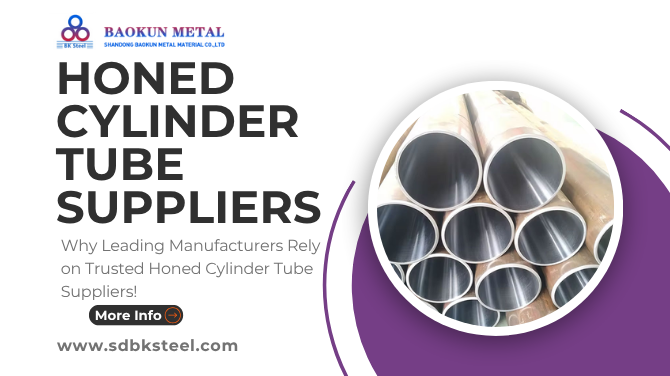
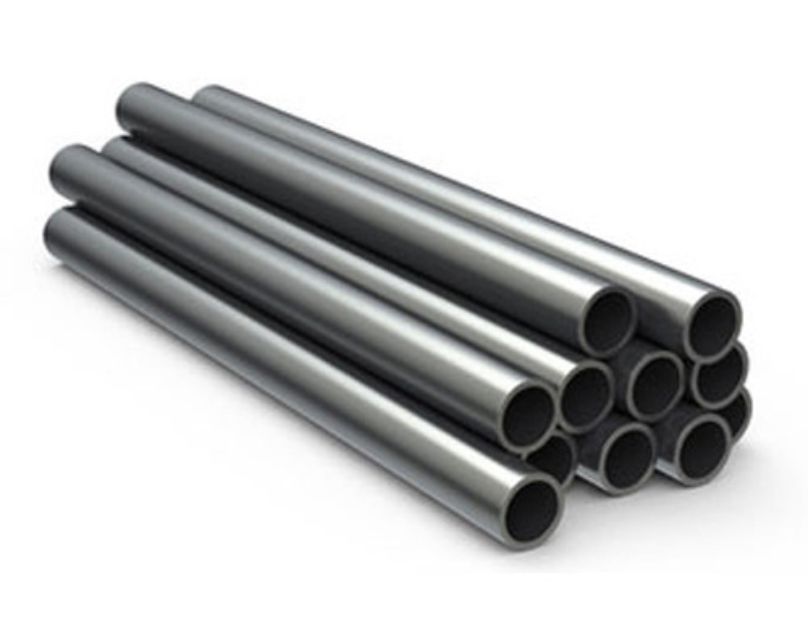
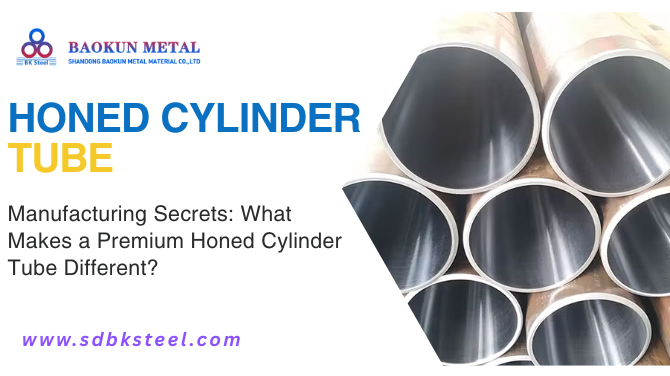
First, let’s define the term. A Honed Cylinder Tube is a tube whose internal diameter (ID) has been finished by honing — a precision abrasive process that removes small amounts of material to achieve a controlled geometry and surface texture. Unlike simple drilling or reaming, honing produces an engineered crosshatch pattern and a surface that balances load-bearing smoothness with oil-retentive micro-pores. As a result, honed bores reduce friction, stabilize sealing engagement, and extend component life.
Why honing matters: performance vs. appearance?
Not all internal finishes are created equal. For example, bored or drawn tubes might look smooth, but their microscopic peaks and valleys, waviness, or out-of-round conditions can accelerate seal wear and oil leakage. By contrast, premium honing targets three critical performance attributes:
- Surface roughness and plateau texture that minimize abrasive wear while retaining lubricant,
- High cylindricity and roundness to prevent localized stresses on seals and pistons,
- Controlled bore straightness and concentricity for consistent dynamic behavior.
In other words, honing is not merely cosmetic; it’s functional engineering of the bore interface.
Key manufacturing steps that differentiate a premium Honed Cylinder Tube:
To consistently deliver a premium Honed Cylinder Tube, manufacturers must control the entire production chain. Below are the stages where small investments and skilled execution make outsized differences:
Material selection and incoming inspection
Firstly, the choice of base material sets the stage. Premium tubes typically start from high-quality cold-drawn seamless or precision ERW tubes with consistent chemistry and microstructure. Moreover, incoming inspection verifies dimensional conformity, surface condition, and metallurgical characteristics to avoid surprises later in the process.
Heat treatment and stress relief
Next, controlled heat treatment or stress-relief processes reduce residual stresses from forming and drawing. Consequently, the tube will be less prone to distortion during machining and during service. For some applications, case-hardening or surface hardening may be applied to enhance wear resistance.
Pre-honing operations
Before honing, tubes often undergo pre-machining: internal turning, boring, or grinding to remove scale and achieve a near-net ID. Importantly, initial geometry must be consistent because honing removes only small amounts of material.
Precision honing
This is the core differentiator. Premium honing uses:
- Properly selected abrasive types and grit sizes,
- Specialized honing heads with multiple stones and controlled expansion,
- Optimized spindle speeds and feed rates,
- Controlled coolant/lubricant systems to carry away swarf and prevent glazing,
In-process dressing of stones to maintain form
Cycle programming that ensures uniform removal and desired crosshatch angles.
Additionally, plateau honing (a final light finishing step) intentionally flattens the peaks formed during coarse honing, creating a surface that supports seals but traps lubricant in valleys.
Quality control and measurement
Finally, premium producers enforce rigorous inspection: bore diameter, roundness, cylindricity, straightness, surface roughness (Ra), crosshatch angle, and sometimes microstructure and hardness. Measurement tools range from profilometers for Ra, to air gauges, coordinate measuring machines (CMMs), laser bore scanners, and visual borescopes. As a result, each Honed Cylinder Tube leaves the plant with traceable data proving it meets spec.
Manufacturing “secrets” that actually matter
While there is no single magical step, several focused practices consistently separate premium producers from the rest:
- Stone selection and dressing: Matching abrasive material and grit to the tube material, and dressing stones frequently, prevents glazing and inconsistent removal
- Coolant management: Clean, temperature-controlled coolant preserves abrasive action and prevents thermal distortion
- Controlled honing cycles: Short aggressive cuts followed by lighter finishing passes produce the optimal plateau texture
- Crosshatch optimization: Setting the crosshatch angle (often between 25° and 45° depending on application) ensures even lubrication and balanced seal contact
- Machine rigidity and spindle stability: High machine stiffness avoids chatter and waviness, which degrade roundness and finish
- Environmental control: Temperature-stable workshops and fixtures yield repeatable tolerances, particularly for long tubes where thermal growth matters.
Materials, coatings, and finishing options
Premium Honed Cylinder Tubes can be tailored with different base materials and surface treatments for specific service environments:
- Low- to medium-carbon steels (cold-drawn) for standard hydraulic service
- Alloy steels and heat-treated options for higher wear resistance
- Stainless steels for corrosion resistance in marine or food-grade applications,
Post-honing coatings such as hard chrome plating, nitriding, or PVD to enhance corrosion resistance or surface hardness (note: the order of plating vs. honing depends on process flow and required geometry).
Each option comes with trade-offs—cost, machinability, corrosion resistance, and suitability for sealing systems—so selection should align with the application’s load, environment, and life-expectancy requirements.
Performance benefits you can measure
Because premium Honed Cylinder Tubes control geometry and surface, the measurable benefits include:
- Extended seal life and reduced maintenance frequency
- Lower friction and improved energy efficiency
- Better system responsiveness due to reduced leakage and improved dynamic friction
- Greater service life for pistons and rods because abrasive wear is minimized
- Predictable break-in behavior due to designed plateau surfaces.
In short, the right internal finish reduces downtime and TCO (total cost of ownership).
Quality metrics and standards
Premium producers specify and verify multiple metrics for the Honed Cylinder Tube:
- Surface roughness (Ra, typically expressed in μm or microinches),
- Crosshatch angle and pattern uniformity,
- Roundness and cylindricity tolerances,
- Diameter tolerance (often in micrometers depending on the application),
- Hardness and microstructure where applicable.
Furthermore, certifications such as ISO 9001 and adherence to industry standards improve traceability and reliability.
Common manufacturing challenges and how premium suppliers solve them
Several issues can degrade bore quality if not properly managed:
- Thermal distortion: solved by temperature control and staged machining
- Glazing (sealed abrasive surface): solved by correct coolant and stone dressing
- Out-of-roundness from clamping: solved by optimized fixtures and low-stress handling
- Chip entrapment: solved by effective coolant flow and deburring practices.
Shandong Baokun Metal Material Co. Ltd: how we approach premium Honed Cylinder Tubes
At Shandong Baokun Metal Material Co. Ltd, we understand that consistency is the ultimate value. Therefore, our approach combines careful material sourcing, modern honing centers, strict process controls, and comprehensive inspection. Moreover, we work with customers to specify the correct material, finish, and tolerances for each application. As a result, our Honed Cylinder Tubes are engineered to align with the performance expectations of heavy machinery, industrial hydraulics, and specialty equipment.
Choosing the right Honed Cylinder Tube for your application
When selecting a honed tube, evaluate:
- Application pressures and cycles
- Environmental exposure (corrosive media, temperature)
- Sealing system type and compatibility
- Required tolerances and expected life
- Cost constraints and maintenance intervals.
A consultative approach with your supplier ensures you balance upfront cost with long-term reliability.
Conclusion
Ultimately, the difference between a mediocre tube and a premium Honed Cylinder Tube lies in attention to detail across the entire manufacturing chain: from materials and heat treatment to precision honing, surface engineering, and rigorous inspection. Consequently, investing in a premium honed tube translates to tangible benefits—longer seal life, lower maintenance, and reliable performance. If you need a reliable partner to supply or specify honed cylinders, Shandong Baokun Metal Material Co. Ltd combines technical know-how with manufacturing discipline to deliver consistent results.

Frequently Asked Questions (FAQ)
Q: What is the main advantage of a Honed Cylinder Tube versus a standard bored tube?
A: The main advantage is functional surface engineering. A Honed Cylinder Tube offers a controlled surface texture (plateau finish), higher roundness and cylindricity, and a crosshatch surface that retains lubricant and reduces seal wear—resulting in longer service life and better sealing performance.
Q: What surface roughness (Ra) can I expect from a premium honed tube?
A: Surface roughness depends on application requirements, but premium honed tubes commonly target low Ra values suitable for sealing interfaces. Typical industry ranges are small fractions of a micron for demanding applications; however, final specification should be confirmed with your supplier and testing methods.
Q: Does honing remove a lot of material?
A: No. Honing typically removes only small amounts of material (hundreds of micrometers or less) compared to rough machining. It is a finishing process designed to correct geometry and create the desired surface texture.
Q: When should I choose plateau honing?
A: Plateau honing is ideal when you need a finish that supports seals while retaining lubricant. It is commonly used in hydraulic cylinder bores to balance low friction with excellent sealing characteristics.
Q: Can honed tubes be plated or coated?
A: Yes. Depending on application, coatings like hard chrome, nitriding, or other surface treatments can be applied. However, plating sequences and final honing steps must be coordinated, because plating can change dimensions and hardness.
Q: How tight can the tolerances be on a Honed Cylinder Tube?
A: Tolerances depend on equipment and process controls. Premium honed tubes often achieve very tight roundness, cylindricity, and diameter control, sometimes in the order of micrometers. Speak with your supplier about achievable tolerances for your specified tube length and diameter.
Q: Are there environmental concerns with honing?
A: Honing uses coolants and abrasives, so safe handling, filtration, and disposal are important. Premium manufacturers typically use closed-loop coolant systems, filtration, and recycling strategies to minimize environmental impact and maintain consistent process conditions.
Q: How do I specify the right honed tube?
A: Provide application details: bore size and length, working pressure, operating medium, piston/seal types, required tolerances, and environmental factors. With that information, the supplier (for example, Shandong Baokun Metal Material Co. Ltd) can recommend material, heat treatment, honing finish, and coatings to meet performance goals.