



In-ear monitors (IEMs) have evolved far beyond simple earbuds that pipe music into your ears. Once relegated to professional musicians and audiophiles, multi-driver IEMs have entered the mainstream, attracting serious listeners and everyday consumers alike. At the core of this evolution lies a question that sparks endless debates among audio enthusiasts: Does having more drivers in an IEM truly result in better sound quality? In this exploration, we’ll unpack what multi-driver IEMs are, how they impact sound, the myths versus the facts, and how to decide whether more drivers are actually worth it.
What Are Multi-Driver In-Ear Monitors?
Before answering whether more drivers mean better sound, let’s define what we’re talking about.
In-Ear Monitors (IEMs) are earphones designed to deliver sound directly into the ear canal. Unlike simple single-driver earbuds, multi-driver IEMs use multiple miniature speakers (drivers) — each responsible for reproducing a different part of the audio spectrum:
• Bass (low frequencies)
• Mids (vocals, instruments)
• Highs (treble, details, air)
This setup resembles professional studio or stage monitors, where sound clarity and accurate frequency reproduction are key.
Why Multiple Drivers? The Core Idea
The logic behind multi-driver In-Ear Monitors is intuitive:
• Different drivers for different frequencies can theoretically handle sound more efficiently.
• A dedicated driver doesn’t have to reproduce the entire range, so it can focus on a smaller, more precise band.
• This division of labor should ideally lead to cleaner, more accurate sound with lower distortion.
For example, a 3-way IEM might have:
• One driver for bass,
• One for mids,
• One for highs.
Some high-end units push into 4, 6, 8, or even more drivers per side, adding additional specialized drivers for refined treble or extended low frequencies.
How Multi-Driver Designs Affect Sound
To understand whether more drivers automatically equal better sound, we need to look at the key areas that drivers influence:
1. Frequency Separation and Clarity
When each driver handles a limited frequency range, the design can improve clarity. In theory:
• Low, mid, and high ranges don’t interfere with each other.
• Complex passages are less likely to become muddy or congested.
This is especially noticeable in busy mixes where instruments overlap.
2. Detail Retrieval
Multi-driver IEMs often provide:
• Better resolution of subtle details,
• Enhanced instrument separation,
• Crisper vocals and transients.
Listeners frequently report that well-tuned multi-driver setups “open up” the soundstage, making music feel more alive.
3. Lower Distortion at Higher Volumes
Single drivers can struggle to maintain clarity across all frequencies at high volume. By distributing the workload:
• Distortion can be reduced,
• Response remains smoother under dynamic shifts.
But More Drivers Aren’t Always Better
Here’s where common misconceptions come into play. Simply adding more drivers does not guarantee superior sound. The reality is more nuanced.
1. Crossover Networks Matter
Multi-driver IEMs require crossovers — components that split the audio signal and send specific frequencies to the right driver.
Bad crossovers = bad sound
No matter how many drivers a set has, if the crossover is poorly designed, the sound can be uneven, unnatural, or disjointed. Effective crossovers are expensive and complex to design.
2. Tuning Is Key
A perfectly engineered IEM isn’t just about hardware — it’s about how it’s tuned. Brands like Shure, Westone, and Sennheiser invest in careful sound tuning so that drivers blend seamlessly.
A cheaply tuned 8-driver IEM might sound worse than a well-tuned single-dynamic-driver or balanced armature pair with great natural response.
3. Diminishing Returns
There’s a point where adding drivers brings diminishing audible improvements, especially to casual listeners. You might not notice the difference between 8 and 12 drivers unless you’re critically analyzing familiar tracks.
4. Comfort and Fit
More drivers generally mean:
• Larger housings,
• More complex cable attachments,
• Heavier units.
This can affect comfort and isolation — crucial for prolonged listening or stage use.
Balanced Drivers vs. Dynamic Drivers
To understand why more drivers don’t automatically equal better sound, let’s look at driver types, since they influence how multi-driver setups behave:
Dynamic Drivers
• Excellent at producing rich, full-bodied bass,
• Fewer drivers can still sound musical and engaging,
• Often deliver smoother, natural sound.
Balanced Armature (BA) Drivers
• Very precise and efficient,
• Used in multi-driver setups because they can be tuned for specific frequency segments,
• But without a smooth response curve, they can sound “analytical” or “harsh.”
Some hybrid models use both: dynamic for bass, BA for mids and highs.
Real-World Performance: What Listeners Notice
So what does the average listener actually hear with multi-driver IEMs?
Pros
• More precise separation between instruments.
• Cleaner highs and richer detail.
• Better performance in complex tracks.
Cons
• Some models can sound unnatural, overly bright, or analytical.
• Cheap multi-driver units can suffer from imbalance or phase issues.
• Setup quality matters more than driver count.
Listeners with trained ears or those mixing/producing music may appreciate multi-driver complexity better than casual listeners focused on bass impact or general enjoyment.
Who Benefits Most from Multi-Driver IEMs?
Not every listener needs — or will benefit from — the highest driver count.
Best Suited For
• Musicians and stage performers — precise sound and isolation.
• Audiophiles — those who enjoy critical listening and clarity.
• Sound engineers and producers — accuracy is essential.
May Not Be Worth It For
• Casual listeners who prioritize fun, punchy bass.
• People who are sensitive to fit and comfort.
• Users on a tight budget — quality single-driver IEMs often offer better value.
Choosing the Right IEM: What to Consider
Instead of focusing solely on driver count, consider these factors:
1. Tuning and Sound Signature
Do you prefer:
• Neutral and analytical?
• Warm and bass-rich?
• Smooth and balanced?
2. Driver Quality Over Number
A precisely tuned 2- or 3-driver IEM might outperform a poorly tuned 8-driver model.
3. Build and Comfort
Fit impacts sound more than most people realize — an improper seal ruins bass and overall balance.
4. Your Usage
Are you mixing music, tracking live, or just enjoying Spotify on the go?
Your needs will define whether multi-driver complexity benefits you.
Conclusion: More Isn’t Always Better
The appeal of multi-driver IEMs is understandable: more drivers sound like a direct upgrade. But in the real world:
✅ Yes — multiple drivers can improve clarity, separation, and detail.
❌ No — more drivers alone don’t guarantee better sound.
What truly matters is the complete package:
• Intelligent driver implementation,
• Skillful tuning,
• High-quality crossovers,
• Comfort and fit.
For many listeners, a high-quality single dynamic driver or well-tuned hybrid IEM can deliver music that’s just as satisfying — if not more so — than a multi-driver counterpart.
In the end, sound quality isn’t determined by a number — it’s determined by the harmony between engineering and intent.

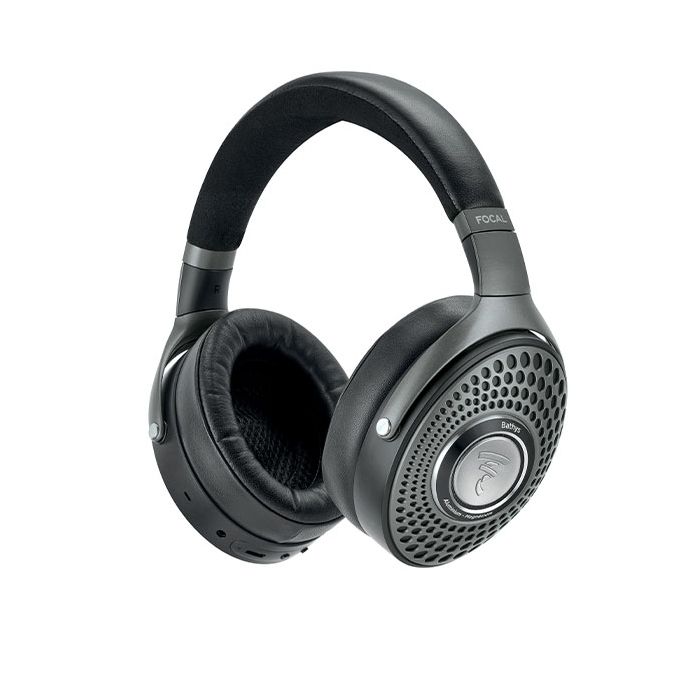

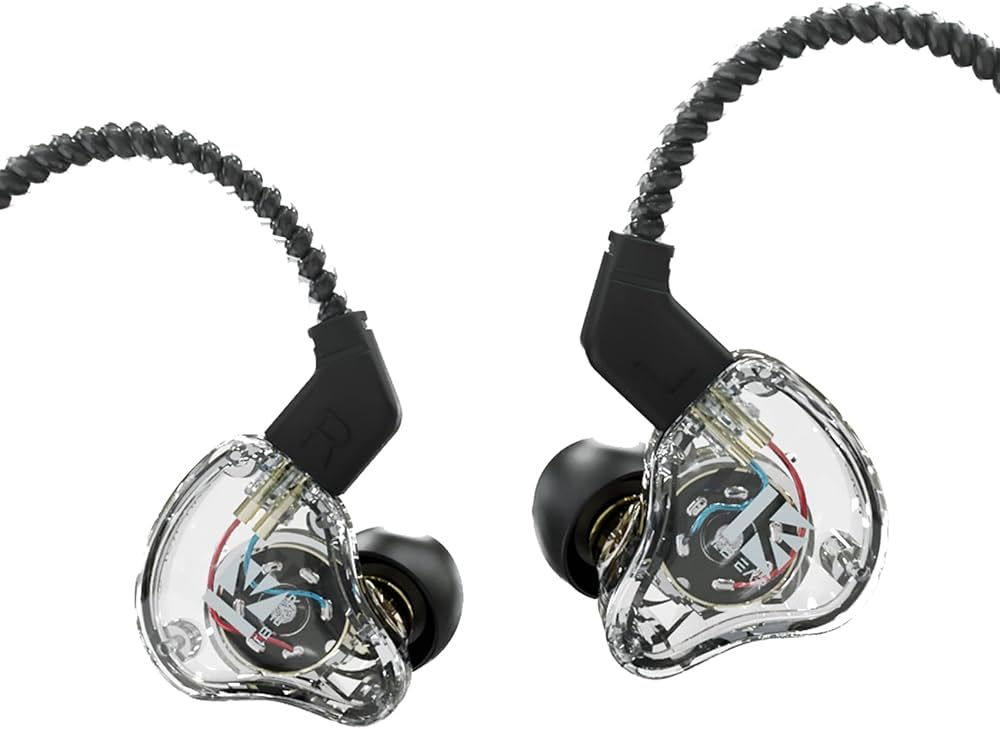
Do you know the contrast between IEM Vs Earbuds?
Earbuds and IEMs are somewhat comparative in that they're both little, convenient sound gadgets that are embedded straightforwardly into the ear Iem Earbuds.
This distinction might appear to be minute from the start, yet it conveys a ton of suggestions, which we will list at the present time.
Some component a few pronged plan to reach further inside the ear trench and proposition even prevalent noise isolation.
And, after its all said and done, odds are good that you will not have the option to take out all the undesirable foundation noise.
Earbuds, as characterized in this article, are commonly gadgets you get for nothing with convenient hardware (cell phones, MP3/4 players, and so forth) They can be purchased independently, yet and still, at the end of the day, your choices are restricted to low-financial plan arrangements.