

Servers must respond fast every single day. Fast response keeps users happy and keeps systems stable. Today, many businesses rely on servers to store app data and perform daily tasks. Slow storage slows down servers. This affects how people feel when they use apps or websites. NVMe storage is changing this. NVMe is now the top choice for enterprise storage.
More than 60% of enterprise SSDs are expected to be shipped using the NVMe interface, indicating the rapid adoption of this technology for improved performance.
This improvement directly affects user experience. Pages load faster, and apps respond quickly. Workflows stay smooth. It helps achieve this speed. It connects to servers in a smarter and shorter way. As a result, data is transmitted without delay. Each request gets a quick response.
This article explains how NVMe storage improves server responsiveness. By the end, you will understand why it plays a crucial role in modern servers.
1. Faster Data Access From the First Second
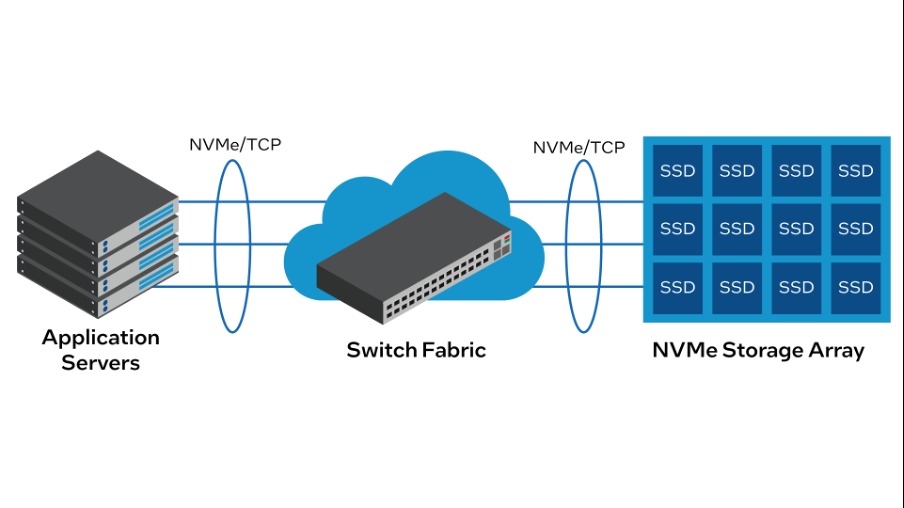
NVMe storage enables servers to access data extremely quickly. Traditional storage requires more steps to locate and transmit data. Each step adds a delay. NVMe removes these extra steps. It connects directly to the server system. As a result, data travels on a shorter path.
Servers receive many requests every minute. Each request needs data. When storage responds slowly, servers pause their operations. NVMe storage enables servers to operate efficiently, allowing data to reach the server almost instantly, and servers respond without hesitation. Faster data access helps every part of the system. Apps open quicker. Files load faster. Users see results right away. Even simple tasks feel smoother.
- Data loads without waiting.
- Server tasks finish faster.
- Users get quick responses.
Why fast access improves daily server work
Servers run nonstop. Each task depends on storage speed. It supports this flow. It keeps data ready at all times. This helps servers stay alert and responsive throughout the day.
2. Lower Delay During Heavy Server Load
Servers often handle many users together. Traffic increases during peak hours. Reports, backups, and updates can run concurrently. This pressure causes delays with slow storage.
It handles heavy loads with ease. It supports many actions at once. Each task moves forward without blocking others. This reduces waiting time. Servers remain responsive even as demand increases. Apps do not freeze. Pages do not hang. Users continue working smoothly.
- Supports many users together.
- Reduces system slowdown.
- Keeps performance stable.
How NVMe handles many requests together
NVMe uses parallel processing. This means tasks move side by side. No single task blocks the rest. This design helps servers respond quickly, even under stress.
3. Faster App Start and Task Processing
Apps rely on storage speed to work well. When storage responds slowly, apps feel heavy. It changes this experience. Servers load app files quickly. Apps start faster. Tasks inside the app also process faster. This helps teams save time and avoid frustration. Faster apps also improve productivity. Users stay focused. Workflows continue without breaks. This makes servers feel powerful.
- Quick app launch
- Smooth task handling
- Better user flow
Why apps feel smoother with NVMe storage
Apps read and write data often. NVMe handles these actions quickly. It keeps apps active and responsive. This improves overall server performance.
4. Better Use of CPU Power
Server CPUs process instructions. Storage should support this process. Slow storage forces CPUs to wait. This wastes power and time. It sends data quickly. CPUs receive data without delay. This keeps CPUs busy and productive. Servers complete tasks faster. When CPUs remain active, servers respond more efficiently. This improves system efficiency and speed.
- Less waiting time
- Faster task completion
- Balanced system performance
How NVMe keeps CPUs working
NVMe communicates directly with the CPU. It avoids old storage paths. This direct connection saves time and improves responsiveness.
5. Smooth Scaling as Data Grows
Data grows every day. Servers must handle more files, more users, and more tasks. Storage speed must grow, too. It supports scaling without slowing down. Even as data increases, response time stays stable. Servers remain quick and reliable. This helps businesses plan for the future. Growth does not mean poor performance.
- Handles large data volumes.
- Maintains fast response.
- Supports long-term growth.
It fits modern server designs. It adapts as needs grow. This keeps servers responsive year after year.
6. Reliable Speed for Real-Time Tasks
Some server tasks need instant response. Examples include live app monitoring tools and analytics. Delay affects results. It delivers steady speed. It avoids sudden drops. Servers respond consistently. This reliability builds trust. Users depend on systems that work fast every time. NVMe helps meet that expectation.
- Stable performance
- Predictable response
- Better real-time outcomes.
Consistent speed keeps users confident. NVMe storage helps servers respond quickly in all situations.
Conclusion
Server responsiveness affects everything. Slow response frustrates users. Fast response builds trust. It improves responsiveness in clear ways. It speeds up data access. It handles heavy loads. It makes apps faster. It keeps CPUs active. It supports growth. It delivers reliable performance.
Each benefit is directly connected to real server needs. NVMe storage enables servers to respond quickly and efficiently. This improves user experience and system reliability. For modern servers, speed matters. NVMe storage makes that speed possible.