


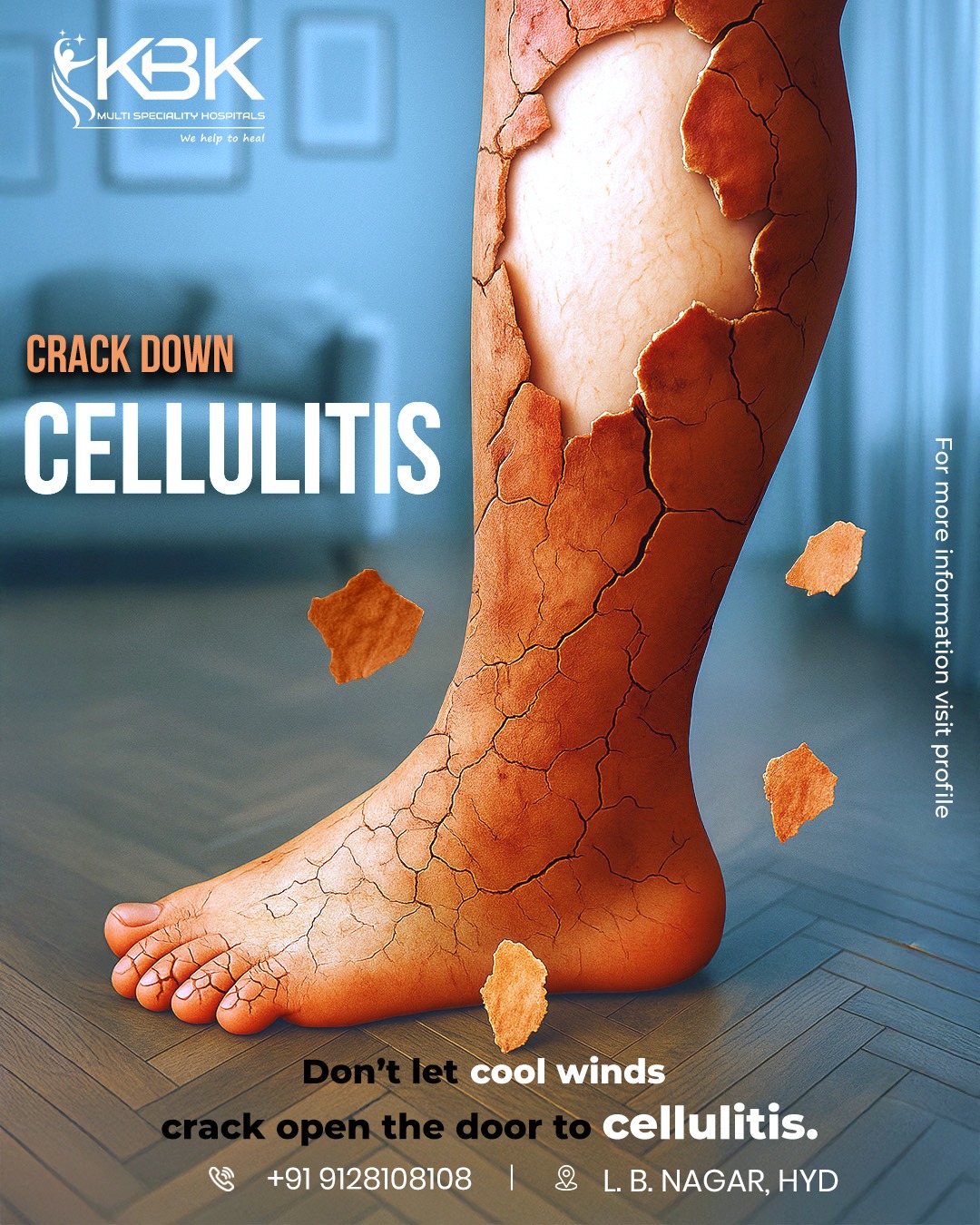
Cellulitis is a common bacterial skin infection that affects the deeper layers of the skin and soft tissues beneath it. The condition usually develops when bacteria enter through a cut, wound, insect bite, or cracked skin. If left untreated, cellulitis can spread quickly and may lead to serious health complications. Early diagnosis and proper cellulitis treatment are essential for a full recovery.
What Is Cellulitis?
Cellulitis is a skin infection caused mainly by bacteria such as Streptococcus and Staphylococcus. It commonly affects the legs but can also develop on the arms, face, or other parts of the body. People with diabetes, weak immunity, poor blood circulation, or existing skin conditions are at higher risk.
This infection is not just a surface problem — it spreads beneath the skin, making prompt cellulitis disease treatment very important.
Common Symptoms of Cellulitis
Cellulitis symptoms usually appear suddenly and may worsen quickly. The most common signs include:
Red, swollen skin that may spread over time
Pain or tenderness in the affected area
Warm skin when touched
Fever and chills
Tight, shiny, or stretched-looking skin
Fatigue or general weakness
If redness spreads rapidly or fever develops, medical attention should be sought immediately.
Causes of Cellulitis
Cellulitis develops when bacteria enter the skin through:
Cuts, wounds, or surgical incisions
Insect or animal bites
Cracked or dry skin
Skin ulcers or fungal infections
Poorly healed injuries
Even small skin breaks that are not visible can allow bacteria to cause infection.
How Cellulitis Is Diagnosed
Doctors usually diagnose cellulitis through a physical examination and by reviewing symptoms. In some cases, blood tests or skin cultures may be done to identify the infection and determine the most effective treatment for cellulitis.
Cellulitis Treatment Options
1. Antibiotic Therapy
The primary treatment for cellulitis involves antibiotics. Depending on how severe the infection is, doctors may prescribe:
Oral antibiotics for mild to moderate cases
Intravenous antibiotics for severe infections or when oral medication is not effective
Most patients begin to see improvement within a few days, but it is very important to complete the entire course of antibiotics to prevent the infection from returning.
2. Supportive Care During Recovery
Along with antibiotics, supportive care helps speed up healing and reduce symptoms. This may include:
Resting the affected area
Elevating the infected limb to reduce swelling
Keeping the skin clean and protected
Using doctor-recommended pain relief methods
These steps play a key role in successful cellulitis disease treatment.
3. When Hospitalization Is Required
Hospital care may be necessary if the infection is severe, spreads rapidly, or is accompanied by high fever or worsening symptoms. In such cases, close monitoring and intravenous antibiotics are often required.
Preventing Cellulitis Recurrence
To lower the risk of cellulitis coming back:
Keep skin clean and well moisturized
Treat cuts and wounds promptly
Manage underlying conditions like diabetes
Avoid skin injuries whenever possible
Proper skin care is one of the best preventive steps against repeated infections.
Conclusion
Cellulitis is a serious skin infection that should never be ignored. Early recognition and the right treatment for cellulitis can prevent complications and promote faster healing. If symptoms appear, seeking medical care promptly and following the recommended treatment plan is the best way to ensure a full recovery.




Ginkgo Biloba is a very nice herbal ingredient that can be used in Natural Remedies for Cellulitis to obtain a positive result to get rid of the disease.
Herbal Treatment for Cellulitis read the Symptoms and Causes.
Cellulitis is a common bacterial skin infection.
Cellulitis may appear as a red, swollen area that feels hot and tender to the touch.

Natural Remedies for Cellulitis that can help in speeding up your healing.
Herbal Treatment for Cellulitis is beneficial for reducing the symptoms clearly.