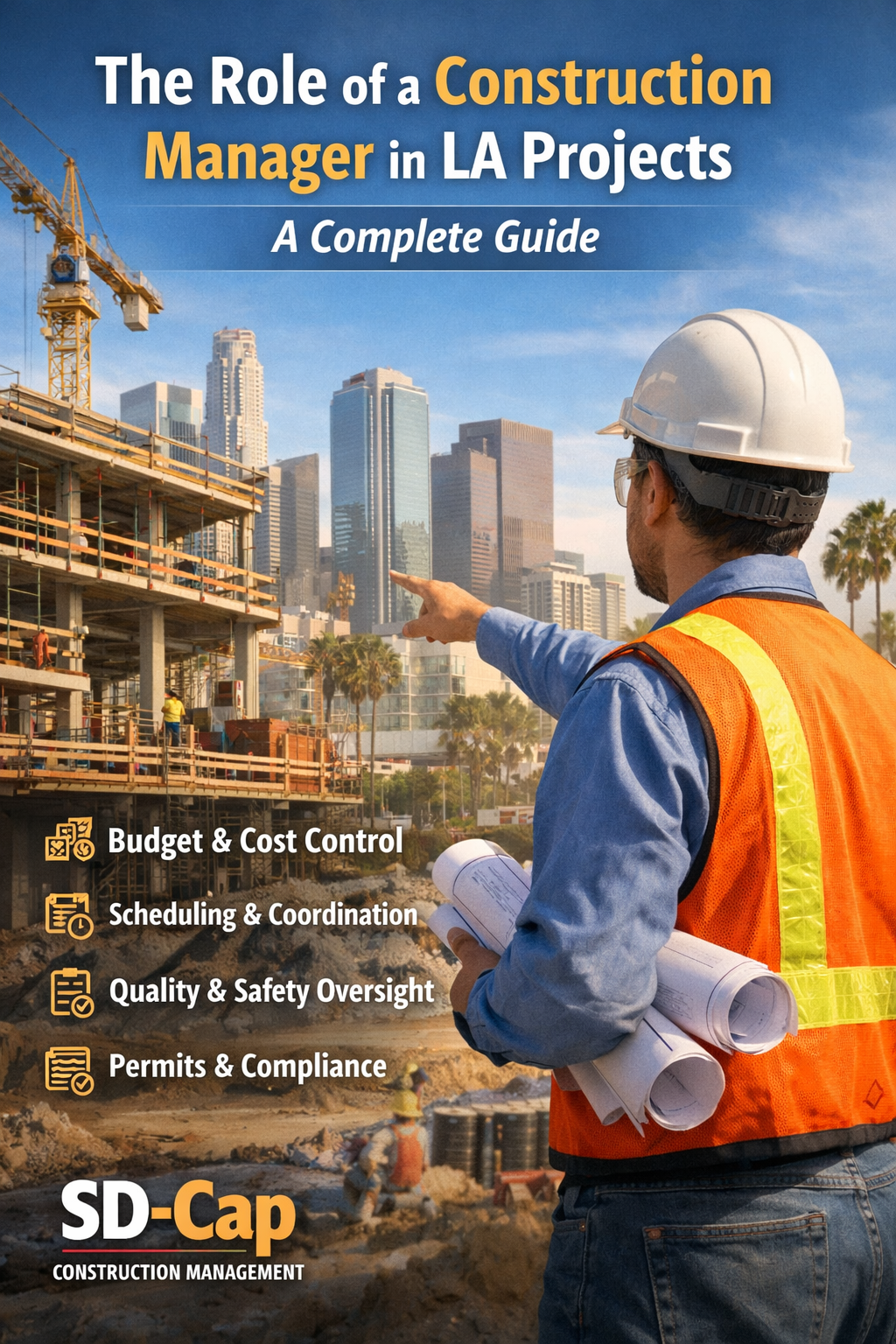


The construction industry is changing faster than ever. Rising material costs, skilled labor shortages, tighter regulations, and growing client expectations are reshaping how projects are planned and delivered. By 2026, construction management will focus more on efficiency, transparency, and smart decision-making rather than just overseeing work on site.
Construction managers will no longer act only as coordinators. They will play a central role in controlling budgets, managing risks, and ensuring projects stay on schedule while meeting quality standards. Let’s explore the key trends and predictions that will shape the future of construction management in 2026.
1. Greater Focus on Cost Control and Financial Planning
One of the biggest priorities in 2026 will be strong financial management. With inflation and unpredictable material prices, controlling costs will be more important than ever. Construction managers will spend more time reviewing budgets, tracking expenses, and forecasting future costs.
Early financial planning during the pre-construction phase will become standard practice. Instead of reacting to cost overruns later, teams will focus on identifying risks early and finding cost-saving solutions before construction begins. This approach will help reduce surprises and protect project investments.
2. Technology-Driven Project Management
Technology will play a major role in how construction projects are managed. By 2026, digital tools will be widely used for scheduling, budgeting, reporting, and collaboration. Cloud-based project management platforms will allow real-time updates, making it easier for teams to stay aligned.
Construction managers will rely on data to make better decisions. Digital dashboards, automated reports, and tracking tools will provide clear visibility into project progress. This will improve communication between owners, contractors, and consultants, reducing delays caused by misunderstandings.
3. Smarter Risk Management Strategies
Risk management will become more proactive rather than reactive. In 2026, construction managers will focus on identifying potential issues before they affect the project. These risks may include design errors, supply chain delays, safety concerns, or regulatory changes.
Better planning, detailed documentation, and regular reviews will help reduce risks. Construction managers will also work closely with legal and compliance teams to ensure projects meet all local and industry requirements. This shift will help avoid disputes and costly rework.
4. Stronger Collaboration Across Teams
The future of construction management will rely heavily on collaboration. Projects are becoming more complex, involving multiple stakeholders such as developers, architects, engineers, contractors, and suppliers. Clear communication will be essential to keep everyone on the same page.
By 2026, construction managers will act as central coordinators who align goals and expectations across all parties. Regular coordination meetings, transparent reporting, and shared digital platforms will help create smoother workflows and faster problem resolution.
5. Sustainability as a Standard Practice
Sustainability will no longer be optional. Environmental responsibility will be a key part of construction planning and execution. Construction managers will be expected to understand sustainable materials, energy-efficient systems, and waste reduction strategies.
In 2026, projects will focus on long-term value rather than short-term savings. Sustainable designs may cost more upfront but will offer benefits such as lower operating costs and better compliance with regulations. Construction managers will play an important role in balancing cost, performance, and environmental impact.
6. Increased Demand for Experienced Construction Managers
As projects grow in size and complexity, the demand for experienced construction managers will increase. Owners and developers will look for professionals who can manage schedules, budgets, quality, and risks effectively.
Construction management firms that offer structured processes and strong financial oversight will stand out. For example, companies like sd-cap focus on detailed planning and active project monitoring, which aligns with the future direction of the industry.
7. Emphasis on Quality and Accountability
By 2026, quality control will receive more attention throughout the project lifecycle. Construction managers will be responsible for ensuring work meets design standards and client expectations. Regular inspections, clear documentation, and accountability will become standard practices.
Clients will expect transparency at every stage. Clear reporting on progress, costs, and challenges will help build trust and reduce conflicts. Construction managers who maintain open communication will deliver better project outcomes.
8. Adaptation to Market and Regulatory Changes
The construction industry is heavily influenced by economic conditions and regulations. In 2026, construction managers will need to stay informed and adaptable. Changes in building codes, labor laws, and safety standards will require careful planning and compliance.
Construction managers who can quickly adjust strategies while keeping projects on track will be highly valued. Flexibility and problem-solving skills will be just as important as technical knowledge.
Conclusion
The future of construction management in 2026 will be shaped by smarter planning, stronger financial control, and greater use of technology. Construction managers will take on a more strategic role, helping projects succeed through proactive risk management and clear communication.
As the industry evolves, the focus will shift from simply managing construction activities to delivering long-term value. Those who adapt to these changes will be better equipped to handle challenges and lead successful projects in the years ahead.
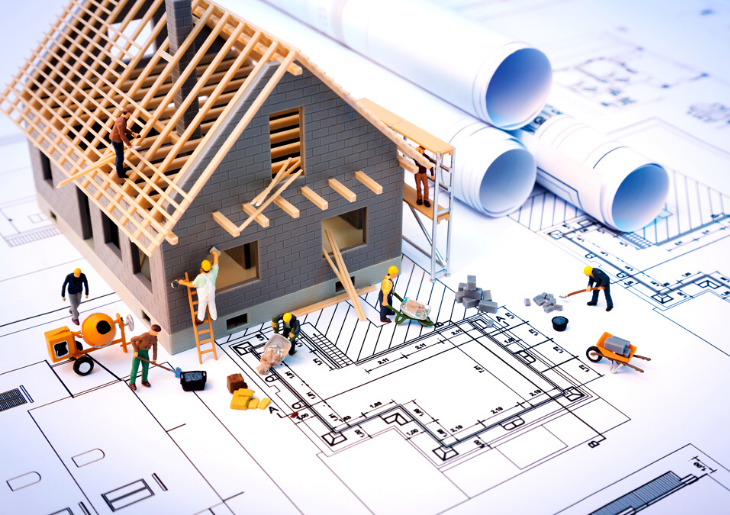
Construction Project Management is the process of outlining a strategy, administering, and executing various tasks of a construction project.These construction projects necessitate knowledge in various fields —ranging from finance and management to business and state laws.
With the respective management technique, there is a high possibility for effective project accomplishment — which is within the budgets, adheres to the land rules, eschews dual-work, and is analyzed on each monetary, legal, construction, sustainable complexity.Now, regardless of what sort of construction project you wish to endeavour, having experts who can proficiently take care of the job and deliver excellence is quite essential, today.The construction managers, with their perspective on each component of the project, can even handle a plethora of challenging tasks (that are prone to last-minute changes).In this phase, a project issue, most often than not, advances into a dispute.
And, proprietors rely upon the construction management team for assistance in such interactions.What Are The Benefits Of Construction Project Management?There are several delusions about the role of a construction manager.
However, to realize the importance of construction management, one needs to have enough knowledge about the work conducted by the construction managers.So, let us know the five ways, construction management benefits a project:(1) Your Preferences Are The First Concern:A construction manager turns into the owner’s delegate.
He/ she utilize his/ her knowledge about the industry and aims to settle on the ideal choices, subsequently making moves that are advantageous to the project, in general.
(2) A certified task team:A good construction manager certainly ensures to have a certified and efficient task team.