





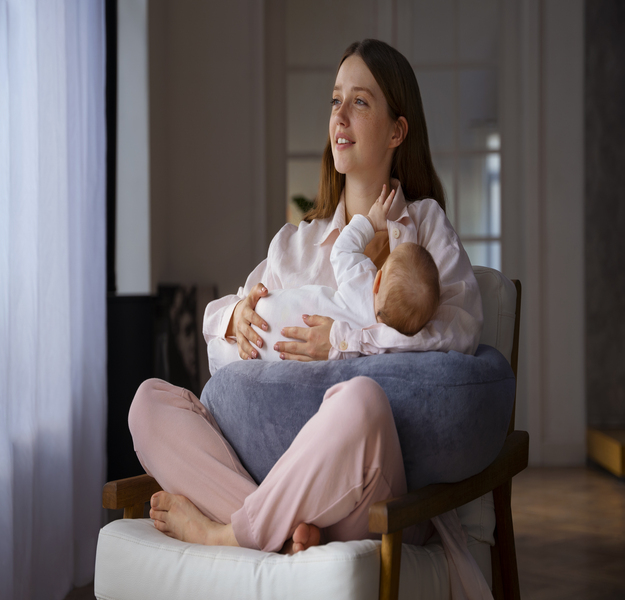
Bringing a new baby home is often described as one of life’s happiest moments. Yet for many parents, especially in the weeks and months after birth, happiness can sit right next to fear, worry, and constant “what if” thoughts. If you find yourself lying awake at night replaying the day, checking on your baby over and over, or feeling tense for no clear reason, you are not alone.
Postpartum anxiety is more common than many people realize. It can show up even if you love your baby deeply and are doing everything “right.” The good news is that it is manageable, and many parents feel much better with the right support and tools. This article is a gentle, practical guide on how to deal with postpartum anxiety, written in plain language and grounded in everyday life.
Think of anxiety like a smoke alarm that’s gone off even though there’s no fire. It’s loud, unsettling, and hard to ignore—but it doesn’t mean something terrible is actually happening. With understanding and care, you can quiet that alarm and start to feel like yourself again.
What Postpartum Anxiety Really Feels Like
Postpartum anxiety isn’t just “normal new-parent nerves.” It often feels bigger, heavier, and harder to control.
Some common experiences include:
• Constant worry about your baby’s health or safety
• Racing thoughts that jump from one fear to another
• Feeling restless, on edge, or unable to relax
• Trouble sleeping even when the baby is asleep
• Physical symptoms like a tight chest, fast heartbeat, or upset stomach
Imagine your brain as a browser with too many tabs open. Each tab is a worry, and no matter which one you click, another pops up. That mental overload can be exhausting.
It’s important to know that postpartum anxiety can happen to first-time parents and experienced parents alike. It doesn’t mean you’re weak, ungrateful, or failing. It simply means your mind and body are under a lot of pressure during a major life change.
Why Anxiety Can Increase After Birth
After childbirth, several things happen at once, and together they can stir up anxiety.
First, hormones shift quickly. It’s like your body just slammed on the brakes after months of steady change. That sudden drop can affect mood and emotional balance.
Second, sleep deprivation plays a huge role. Lack of sleep makes everything feel more intense. A small worry can feel enormous when you’re running on two hours of rest.
Third, responsibility skyrockets overnight. You’re suddenly in charge of a tiny human who can’t tell you what they need. That level of responsibility can make even confident people feel unsure.
Finally, expectations—both personal and societal—can add pressure. Social media, advice from others, and internal “shoulds” can make you feel like you’re constantly falling short.
How Anxiety Shows Up in Daily Life
Postpartum anxiety doesn’t look the same for everyone. For some, it’s a nonstop stream of fearful thoughts. For others, it’s more physical.
You might notice:
• Checking the baby’s breathing repeatedly
• Avoiding certain activities out of fear something bad will happen
• Feeling irritable or snappy with loved ones
• Struggling to enjoy moments that should feel happy
It’s a bit like driving with your foot slightly pressing the brake all the time. You can still move forward, but everything feels tense and tiring.
Simple, Everyday Ways to Calm Your Mind
You don’t need complicated techniques or perfect routines to feel better. Small, steady steps often make the biggest difference.
Breathe Like You’re Cooling Soup
When anxiety spikes, your breathing usually gets shallow and fast. A simple trick is to breathe as if you’re gently cooling a hot spoonful of soup. Slow inhale through your nose, then a long, soft exhale through your mouth. Repeat for a minute or two.
This tells your body, “I’m safe right now.”
Name What’s Happening
Instead of fighting anxious thoughts, try labeling them. Say to yourself, “This is anxiety talking.” It’s like separating the noise from the truth. The thought loses some of its power when you see it for what it is.
Shrink the Time Frame
Anxiety often lives in the future. Bring your focus back to the next 10 minutes. Ask, “What do I need to do right now?” Not tomorrow. Not next week. Just now.
The Power of Support: You Don’t Have to Do This Alone
Anxiety thrives in silence. Sharing what you’re going through can feel scary, but it’s one of the most effective ways to feel relief.
Talk to your partner, a close friend, or a family member. You don’t need perfect words. Even saying, “I’m struggling more than I expected,” can open the door to understanding.
Many parents also find comfort in communities that focus on emotional well-being after birth. Brands like MAMAZEN, for example, emphasize mental health support for new parents and help normalize these conversations.
If anxiety is interfering with your daily life, reaching out to a therapist or healthcare provider is a strong and positive step—not a last resort.
Professional Help and What It Can Look Like
Seeking help doesn’t mean something is “wrong” with you. It means you’re taking care of yourself.
Counseling often involves talking through worries and learning new ways to respond to them. Think of it like learning to drive in heavy traffic—you’re still the one behind the wheel, but you get guidance on how to navigate safely.
In some cases, healthcare providers may discuss medication options. This decision is personal and based on your situation. Many parents worry about judgment, but professionals who work with postpartum mental health understand these concerns and approach them with care.
This is also where people often ask about how to treat Postpartum Anxiety in a structured way. Treatment plans are not one-size-fits-all; they’re tailored to your needs, lifestyle, and comfort level.
Daily Habits That Gently Lower Anxiety Over Time
Big changes start with small habits. You don’t need to overhaul your life.
Prioritize Rest Where You Can
Sleep may be broken, but rest still matters. Even short naps, lying down with your eyes closed, or asking someone else to hold the baby for 20 minutes can help.
Eat Regularly
Skipping meals can make anxiety worse. Keep easy snacks on hand—think of food as fuel, not a chore.
Move a Little
Gentle movement, like walking or stretching, can release built-up tension. You don’t need intense workouts. A short walk with the stroller counts.
Limit Information Overload
Constantly Googling symptoms or scrolling through parenting advice can feed anxiety. Choose one or two trusted sources and give yourself permission to ignore the rest.
Letting Go of Perfection
One of the hardest parts of postpartum anxiety is the pressure to be perfect.
Babies don’t need perfect parents. They need caregivers who are present, loving, and human. Mistakes are part of learning. Think of parenting like learning a new language—you won’t be fluent overnight, and that’s okay.
When anxious thoughts say, “I’m doing this wrong,” try responding with, “I’m doing my best with what I have today.”
When to Seek Immediate Help
While postpartum anxiety is common, there are moments when urgent support is needed.
Reach out for immediate help if you experience:
• Thoughts of harming yourself or your baby
• Feeling completely detached from reality
• Panic that feels uncontrollable and constant
These signs are not failures. They are signals that you deserve prompt care and support.
Conclusion: Healing Is Possible, and You’re Not Broken
Postpartum anxiety can make the world feel smaller and scarier than it really is. But with understanding, support, and simple daily practices, that sense of fear can loosen its grip.
You are not weak for feeling this way. You are adjusting to one of life’s biggest changes. Like learning to balance on a new bike, it may feel shaky at first, but steadiness comes with time and support.
Whether through personal coping strategies, professional guidance, or supportive communities like MAMAZEN, relief is possible. Step by step, breath by breath, you can find your way back to calm—and even joy.
Frequently Asked Questions (FAQ)
1. Is postpartum anxiety the same as postpartum depression?
No. They are different, though they can happen together. Anxiety is more about constant worry and fear, while depression often includes sadness and loss of interest.
2. How long does postpartum anxiety last?
It varies. Some people feel better within weeks, while others need more time and support. Early help often shortens recovery.
3. Can postpartum anxiety happen months after birth?
Yes. It doesn’t always start right away. Changes in sleep, routine, or stress levels can trigger it later on.
4. Can partners experience postpartum anxiety too?
Absolutely. Partners can also feel overwhelmed and anxious after a baby arrives, and their feelings matter as well.
5. Will talking about my anxiety make it worse?
Usually, it helps. Sharing your experience often brings relief and helps you feel less alone.
One should seek the help of relationship therapists when there is he/she is suffered from heartbreak. This will definitely help to solve the questions like How To Deal With Heartbreak And Rejection and aid in moving on further in life
We live in a world that obsesses over relationships.
We love the idea of romance because it instills a sense of belongingness and fulfillment within us.
The thought of having a constant support system in place, or having your very own go-to person, as well as the other exciting adventures romance exposes us to get us to fall in love with the concept of being in love.
While romantic relationships can bring us to explore experiences we have never had before, sometimes it also paves the way for misunderstandings and arguments, broadly referred to as love problems/relationship problems.Read more at - https://www.betterlyf.com/articles/relationships/dealing-with-relationship-problems/