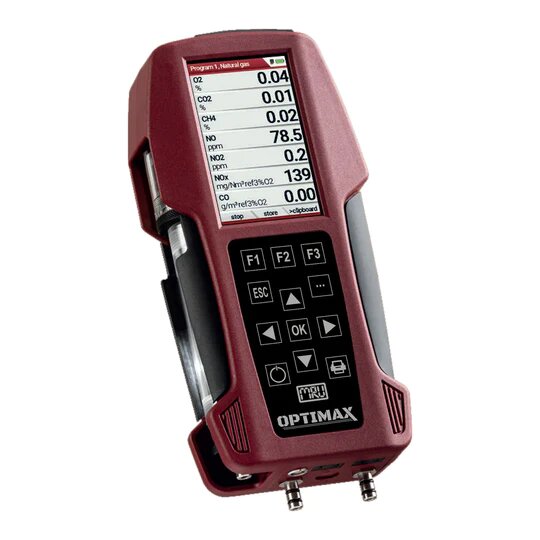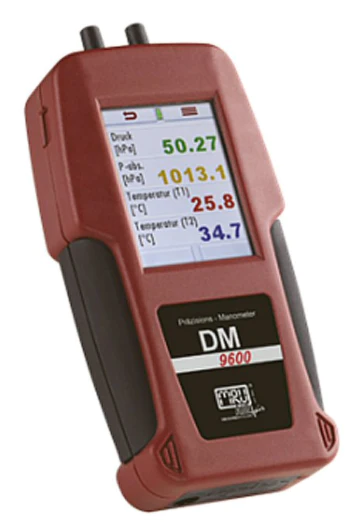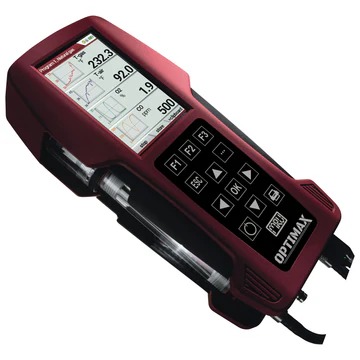
Plant operators often underestimate the hidden Costs of Operating Without Reliable Biogas Analyzers until losses start to affect performance, safety, and profitability. Biogas plants are complex systems where small variations in gas composition can lead to major operational and financial consequences. Without accurate and continuous monitoring, reliable biogas analyzer plants operate blindly, risking inefficiencies, equipment damage, compliance failures and lost revenue. While skipping advanced monitoring may seem like a cost saving decision initially, the long-term hidden costs are far greater.
One of the highest hidden costs of operating without reliable biogas analyzers is reduced energy output. Biogas quality directly impacts the efficiency of engines, turbines, and upgrading systems. Methane concentration determines how much usable energy can be generated, while contaminants like carbon dioxide, oxygen, and hydrogen sulfide reduce calorific value. Without accurate analysis, operators cannot optimize digestion parameters, leading to lower methane yield and wasted potential energy. Over time, this translates into significant revenue loss, especially for plants selling electricity, biomethane, or heat.
Equipment damage is another costly consequence of poor gas monitoring. Hydrogen sulfide, moisture, and siloxanes present in biogas are highly corrosive and harmful to engines, compressors, and pipelines. Without reliable biogas analyzers, these contaminants often go undetected until damage has already occurred. Frequent breakdowns, increased maintenance costs, and premature equipment failure become unavoidable. Repairing or replacing engines and gas upgrading units is far more expensive than investing in proper monitoring systems.
Unplanned downtime is closely linked to inadequate biogas analysis. Sudden equipment failures, gas quality issues, or safety alarms can halt operations without warning. Every hour of downtime results in lost production, missed revenue, and higher operational stress. Reliable biogas analyzers provide early warnings of abnormal gas conditions, allowing operators to take preventive action before problems escalate. Plants that lack this visibility often operate reactively rather than proactively, increasing downtime frequency and operational instability.
Safety risks represent one of the most serious hidden costs. Biogas contains flammable and toxic gases such as methane and hydrogen sulfide. Without continuous monitoring, leaks and dangerous concentration levels may go unnoticed, posing severe risks to workers and surrounding communities. Accidents, explosions, or toxic exposure incidents not only endanger lives but also lead to legal liabilities, compensation claims, and long-term reputational damage. Reliable biogas analyzers play a critical role in maintaining a safe working environment by detecting hazards early and enabling quick response.
Regulatory non-compliance is another major risk for plants operating without accurate biogas monitoring. Environmental authorities require precise measurement and reporting of gas composition emissions and energy output. Inaccurate or missing data can result in fines, penalties, loss of operating licenses, and forced shutdowns. Manual sampling or unreliable instruments often fail to meet audit standards. Reliable biogas analyzers ensure consistent data logging, accurate reporting, and smooth regulatory inspections, protecting plants from costly compliance failures.
Operational inefficiency is a silent but ongoing cost. Without clear insights into gas composition, operators struggle to fine-tune digestion processes, feeding rates, and temperature control. This leads to unstable digestion, foaming process upsets, and inefficient substrate utilization. Reliable biogas analyzers provide real-time feedback that supports process optimization, improving stability, efficiency, and overall plant performance. Over time, optimized operations result in higher yields, lower input costs, and improved profitability.
Poor gas quality management also affects downstream processes such as gas upgrading and grid injection. Biogas that does not meet required quality standards may be rejected, leading to revenue loss and operational delays. Without reliable analyzers, operators cannot ensure consistent gas quality or troubleshoot issues effectively. This creates uncertainty in supply contracts and damages relationships with utilities and energy buyers.
Another hidden cost is inaccurate performance evaluation. Investors, lenders, and stakeholders rely on data to assess plant performance and return on investment. Without reliable biogas analyzers, performance metrics become unreliable, making it difficult to justify expansion, secure funding, or demonstrate operational success. Transparent, accurate data builds confidence and supports long-term business growth.
In the long run, plants operating without reliable biogas analyzers also struggle with sustainability goals. Accurate gas analysis is essential for carbon accounting, emission reduction strategies, and renewable energy reporting. Without dependable data, sustainability claims lose credibility, and opportunities for carbon credits or incentives may be missed. Reliable biogas analyzers support environmental responsibility while unlocking additional financial benefits linked to sustainability initiatives.
The true cost of unreliable or absent biogas analysis is cumulative. Small inefficiencies, daily losses, and minor safety risks add up over time, creating a significant financial and operational burden. What appears to be a saving on equipment investment often results in higher operational costs, lower revenue, and increased risk exposure.
In conclusion, the hidden costs of operating without reliable biogas analyzers extend far beyond immediate savings. From reduced energy output and equipment damage to safety risks, compliance failures, and lost credibility, the impact is substantial and long-lasting. Reliable biogas analyzers are not optional accessories but essential tools for efficient, safe, and profitable biogas operations. Investing in accurate continuous monitoring is a strategic decision that protects assets, improves performance, ensures compliance, and secures the long term success of biogas plants.