




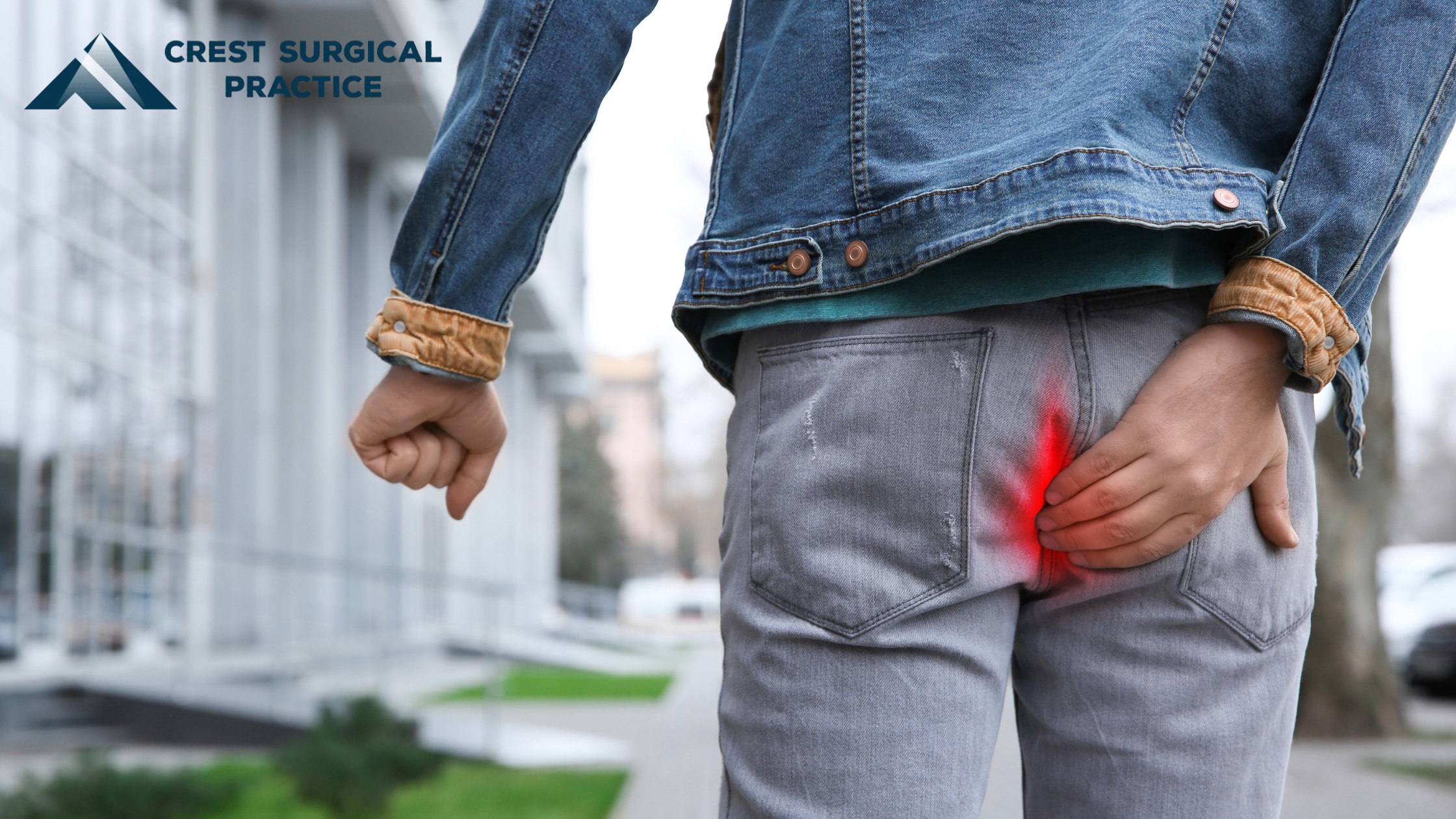
Dealing with recurring hemorrhoids can be painful, uncomfortable, and disruptive, especially when symptoms like bleeding, swelling, or prolapse interfere with daily life. Many adults in Singapore initially try non-surgical methods such as dietary changes, lifestyle adjustments, topical ointments, or rubber band ligation. While these approaches may offer temporary relief, long-term resolution often requires piles surgery in Singapore.
Understanding Hemorrhoids and When Intervention Is Needed
Hemorrhoids, also called piles, are swollen blood vessels in the anal canal that can cause pain, itching, bleeding, or prolapse. Surgery is generally recommended when:
- Symptoms persist for several months
- Hemorrhoids prolapse during bowel movements
- Frequent bleeding or discomfort occurs
- Conservative treatments fail
- Thrombosed or severely enlarged piles cause significant pain
Surgical treatment aims to remove or reduce swollen tissue, offering a definitive solution when other therapies are ineffective.
Advantages of Surgical Treatment
Opting for surgery provides multiple benefits:
- Long-term symptom relief
- Lower recurrence compared to medications or banding
- Minimally invasive options with faster recovery
- Improved bowel comfort and quality of life
- Access to advanced surgical facilities and experienced surgeons
Singapore’s healthcare system ensures safe, efficient procedures, making it a preferred choice for locals and expatriates alike.
Common Surgical Techniques
Several techniques are tailored to the severity of the condition and patient needs:
- Conventional Hemorrhoidectomy – Complete tissue removal for severe, long-standing piles with the lowest recurrence rate.
- Stapled Hemorrhoidopexy (PPH) – Minimally invasive, ideal for prolapsing hemorrhoids, offering less pain and quicker recovery.
- Transanal Hemorrhoidal Dearterialization (THD) – Doppler-guided ligation to reduce blood flow, suitable for moderate prolapse.
- Laser Surgery – Precise laser treatment for minimal bleeding and fast healing.
- Rubber Band Ligation – Often a preliminary step before surgery; recurrent symptoms after banding may require definitive surgical intervention.
Recovery and Care
Minimally invasive techniques allow for shorter downtime, less discomfort, and a faster return to work. Typical recovery timelines include:
- Normal activities: 3–7 days
- Full recovery: 2–4 weeks
- Symptom improvement: often immediate
Tips for smoother recovery: stay hydrated, avoid straining, follow prescribed medications, maintain a fiber-rich diet, and attend follow-up consultations.
Choosing the Right Care
For expert care, Crest Surgical Practice provides specialist colorectal surgeons, modern diagnostic tools, minimally invasive options, and personalised treatment plans. Their patient-centered approach ensures support from evaluation through post-operative recovery.
Final Thoughts
Persistent bleeding, discomfort, or prolapse shouldn’t disrupt your life. Surgical treatment in Singapore offers a reliable, long-lasting solution with modern minimally invasive techniques. Seeking consultation with a specialist ensures an accurate diagnosis and a tailored care plan to restore comfort and confidence.



Spiritual healing is the purest form of healing which can help to get relief from black magic and different types of problems in our lives.
So today let’s learn spiritual healing as a black magic removal tool.