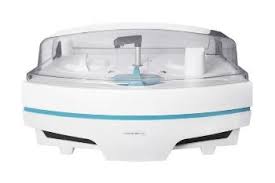



Incubator CO₂ Analyzers Ensuring Consistency in Clinical and Pharmaceutical Research is a critical topic in modern laboratory science where accuracy, reproducibility, and compliance define success. In clinical diagnostics, pharmaceutical development, biotechnology, and biomedical research, even the smallest variation in incubation conditions can compromise results, delay studies, and increase costs. Among all environmental parameters inside incubators, carbon dioxide control is one of the most influential factors affecting cell culture stability and experimental reliability. Incubator CO₂ analyzers play a vital role in maintaining precise CO₂ levels, ensuring that research outcomes remain consistent, trustworthy, and scientifically valid.
Clinical and pharmaceutical laboratories rely heavily on cell culture systems for drug discovery, toxicity testing, vaccine development, regenerative medicine, and disease research. These cell cultures require tightly controlled environments to survive, grow, and function as expected. Carbon dioxide directly influences the pH of culture media, which affects enzyme activity, cellular metabolism, and protein expression. Without accurate CO₂ measurement and control, even minor fluctuations can alter cell behavior, leading to inconsistent results and misleading conclusions. Incubator CO₂ analyzers provide the accuracy required to maintain stable conditions throughout the research process.
Consistency is the backbone of credible clinical and pharmaceutical research. Studies often involve repeated experiments conducted over long periods by multiple researchers or across different laboratory locations. The reproducibility of results depends on maintaining identical experimental conditions every time. Incubator CO₂ analyzers ensure that CO₂ concentrations remain within strict tolerances, allowing laboratories to standardize incubation environments. This consistency supports reliable comparisons between experiments and strengthens confidence in research findings.
In pharmaceutical research, drug development pipelines depend on precise data at every stage from early discovery to clinical trials. Cell-based assays are used to evaluate drug efficacy, toxicity, and safety profiles. Variations in CO₂ levels can influence cell responses and skew assay results, potentially leading to false positives or negatives. Incubator CO₂ analyzers help eliminate this risk by providing continuous monitoring and accurate calibration, ensuring that experimental conditions do not compromise data integrity.
Clinical research laboratories face additional pressure to meet regulatory standards and quality guidelines. Regulatory bodies require documented evidence that laboratory conditions are controlled and monitored accurately. Incubator CO₂ analyzers support compliance by delivering traceable data logs and reliable measurements that can be used during audits, inspections, and validations. Accurate CO₂ monitoring demonstrates adherence to good laboratory practices and quality management systems, reducing the risk of non-compliance penalties or study rejection.
Another key advantage of incubator CO₂ analyzers is improved pH stability in culture media. Most cell culture media rely on bicarbonate buffer systems that are sensitive to CO₂ concentration. Even slight CO₂ deviations can shift pH levels, affecting cell morphology, growth rates, and gene expression. Incubator CO₂ analyzers ensure precise control over CO₂ levels, which helps maintain optimal pH balance and creates a stable environment for sensitive cell lines.
Long-term experiments benefit significantly from reliable CO₂ monitoring. Studies involving stem cells, cancer research, or chronic toxicity testing may run for weeks or months. Over such extended periods, small inconsistencies can accumulate and impact outcomes. Incubator CO₂ analyzers provide continuous feedback, allowing researchers to detect and correct deviations early. This proactive control minimizes experimental drift and ensures long-term data consistency.
Operational efficiency is another important benefit for clinical and pharmaceutical laboratories. Without accurate CO₂ analyzers, incubators may require frequent manual checks, adjustments, and recalibrations, which consume time and increase the risk of human error. Automated CO₂ analyzers streamline monitoring processes, reduce manual intervention, and allow laboratory staff to focus on core research activities. This efficiency improves workflow productivity while maintaining high-quality standards.
Incubator CO₂ analyzers also contribute to cost control and resource optimization. Failed experiments due to unstable incubation conditions lead to wasted reagents, lost samples, and repeated testing. In pharmaceutical research, where materials and time are highly valuable, these losses can be significant. By ensuring stable CO₂ levels, analyzers help reduce experiment failures, protect valuable samples, and improve overall return on research investment.
Data reliability is essential for collaboration and publication. Clinical and pharmaceutical research often involves collaboration between institutions, sponsors, and regulatory agencies. Reliable and reproducible data strengthen collaboration outcomes and enhance credibility in peer-reviewed publications. Incubator CO₂ analyzers support high data quality by ensuring that incubation conditions do not introduce variability into experimental results. This reliability is essential for advancing research and achieving regulatory approval.
Modern incubator CO₂ analyzers are designed with advanced technology to meet the demands of high-precision laboratories. Many systems offer digital displays, automated calibration, and integration with laboratory management systems. These features allow centralized monitoring, data storage, and analysis, which further enhances consistency and traceability. Digital integration supports quality assurance programs and simplifies documentation requirements.
Calibration accuracy is another area where incubator CO₂ analyzers prove essential. Over time, incubator sensors may drift, resulting in inaccurate CO₂ readings. Dedicated analyzers are used to verify and calibrate incubator CO₂ levels, ensuring ongoing accuracy. Regular calibration supported by reliable analyzers helps maintain consistent conditions across all incubators in a facility, reducing variability between experiments.
As research complexity increases, the demand for precision continues to grow. Advanced cell culture techniques, such as three-dimensional cultures, organoids, and personalized medicine models, are highly sensitive to environmental conditions. Incubator CO₂ analyzers provide the level of control required for these sophisticated applications, ensuring that cutting-edge research is supported by stable and reproducible incubation environments.
Sustainability and efficiency goals are also influencing laboratory operations. Accurate CO₂ control prevents overcompensation and unnecessary gas consumption, reducing waste and supporting sustainable lab practices. Incubator CO₂ analyzers help laboratories optimize resource usage while maintaining strict performance standards, aligning scientific excellence with environmental responsibility.
In the pharmaceutical industry, where timelines are critical, reliable incubation conditions help accelerate development cycles. Consistent data reduces the need for repeat studies, shortens validation timelines, and supports faster decision-making. Incubator CO₂ analyzers contribute indirectly to faster drug development by ensuring that experimental results are dependable from the start.
In conclusion, incubator CO₂ analyzers, ensuring consistency in clinical and pharmaceutical research, are indispensable tools for modern laboratories. They support precise CO₂ control, pH stability, reproducibility, regulatory compliance, operational efficiency, and data integrity. By eliminating variability caused by environmental fluctuation, these analyzers help researchers generate reliable results, protect valuable resources, and maintain high-quality standards. As clinical and pharmaceutical research continues to advance, incubator CO₂ analyzers will remain essential in delivering consistent, accurate, and trustworthy outcomes that drive scientific progress and improve patient care.