





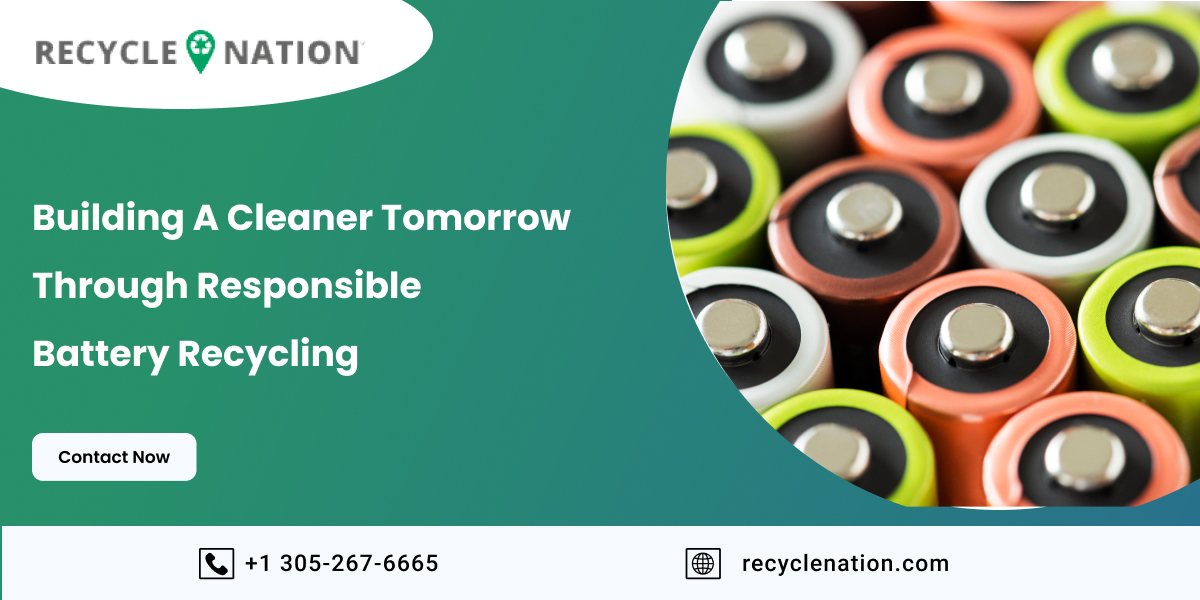
Why Responsible Battery Use Matters
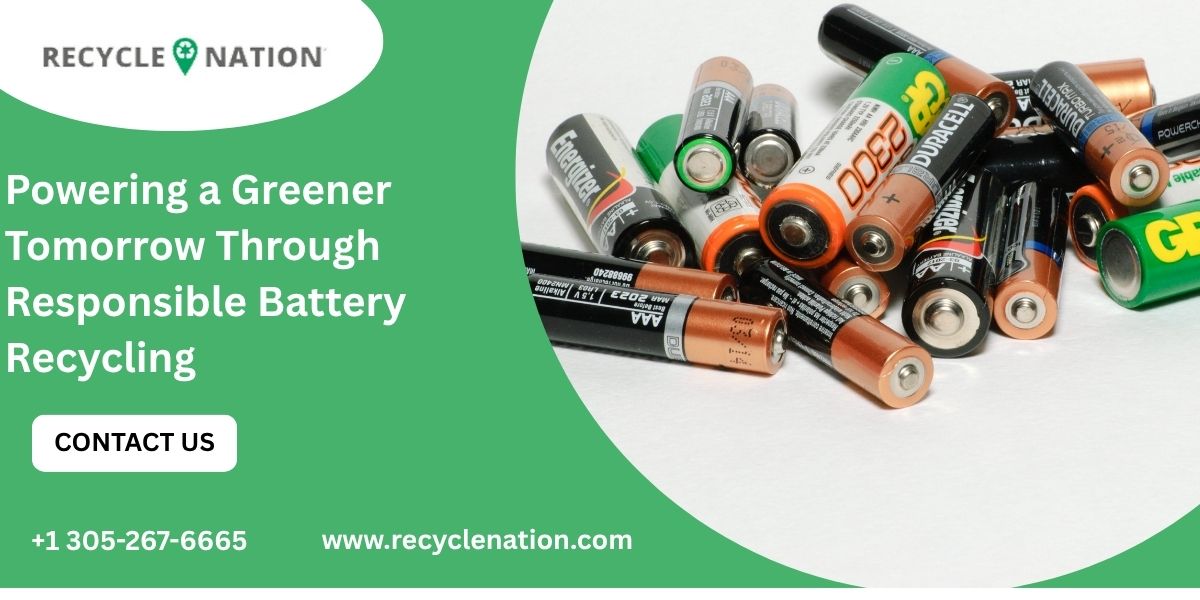
Batteries are woven into almost every aspect of modern life. They power our phones, laptops, medical devices, home appliances, electric vehicles, and countless everyday tools. Because they are so common, people rarely think about what happens to them after they stop working. Most end up in drawers, trash bins, or landfills, where they quietly contribute to environmental damage over time. Responsible handling of used batteries is therefore not a minor habit, but a meaningful environmental responsibility.
The Power and Purpose of Battery Recycling
This is where battery recycling becomes essential. Used batteries contain valuable materials such as lithium, nickel, cobalt, and lead that can be safely recovered and reused. When these materials are recycled, manufacturers can produce new batteries and electronic products without relying as heavily on fresh mining. This reduces environmental disruption, lowers carbon emissions, and conserves natural resources that are becoming increasingly scarce.
At the same time, recycling prevents hazardous chemicals from seeping into soil and groundwater. When batteries break down in landfills, toxic elements can contaminate ecosystems and drinking water supplies. Proper recycling eliminates this risk by ensuring that dangerous components are handled in controlled facilities designed for safe processing.
What Happens to Your Old Batteries
Once collected, used batteries are transported to specialized recycling centers. There, they are sorted by type, safely dismantled, and processed to extract reusable metals. These materials then reenter the manufacturing cycle, supporting industries ranging from electronics to renewable energy storage. This creates a circular system where waste is transformed into valuable resources rather than pollution.
Simple Steps You Can Take Today
Individuals play a central role in making this system work. Instead of discarding batteries in regular trash, store them in a dry container at home until you have enough to recycle. For lithium batteries, covering the terminals with tape reduces the risk of accidental discharge. Look for certified drop off locations at electronics stores, hardware retailers, or municipal waste centers in your community. Making this a routine habit amplifies your environmental impact over time.
Recycling the Right Way for Real Impact
Finally, recycling is most effective when done correctly. Following clear conservation guidelines helps you avoid common mistakes that can undermine your efforts. Learning how to recycle properly ensures that your batteries are handled safely, sorted appropriately, and directed to legitimate recycling facilities. By recycling with care and consistency, you actively contribute to a cleaner environment, a stronger circular economy, and a more sustainable future for generations to come.


A person can live without money(of course for some time) but can't live without Plastics.
We can't imagine How plastics are ruining the lives of our future generations, and by using them we are also doing the same.
Yes, to save our environment from plastic recycling plastic is one of the finest methods.
For all your doubts and questions, we are here to help you.
But remember one thing- only some types of plastics are recyclable, and we will tell you what types of plastic one can recycle?One can easily recycle the following types of plastics with different recycling processes: >PETE or PET (Polyethylene Terephthalate)>HDPE (High-Density Polyethylene)>V or PVC (Polyvinyl Chloride)>LDPE (Low-Density Polyethylene)>PP (Polypropylene):>PS (Polystyrene) Advantages Of Recycling >The first and the main advantage of recycling is to decrease the pollution in our environment.>Recyclable plastics are environmentally friendly and can be used multiple times.>The majority of landfill waste is plastics.
Q How can we know that a particular plastic is recyclable?> You will find a logo on every plastic material.