

In industrial gas analysis and fuel systems, clean samples aren’t just preferable—they’re critical. Whether you’re monitoring emissions, optimizing combustion, or analyzing process gases, the presence of particulates, liquids, or contaminants can distort results and damage equipment. A gas filter system ensures that your analyzers and instruments receive clean, representative samples, enhancing accuracy, extending service life, and reducing downtime. From gas analyser filters to advanced fuel gas conditioning systems, proper filtration is the unsung hero of reliable gas measurement and fuel handling.

“Clean gas yields reliable data—without proper filtering, even the best analyzers can be misled.”
“Sample quality isn’t just about clarity—it’s about confidence in every decision you make.”
What Is a Gas Filter System and Why It Matters
A gas filter system is a device installed in the sampling train or fuel line to remove particulates, liquid droplets, and contaminants before the gas enters an analyzer or combustion system. When gas streams are drawn from high-temperature stacks, flue lines, or fuel supplies, they often carry suspended matter that can interfere with optical paths, clog probes, or corrode sensors.
Without filtration, analyzers may show false readings, degrade rapidly, or require frequent calibration and maintenance. The right filter protects both the analyzer and the integrity of the measurement process.
Gas Analyser Filter: Protecting Your Core Sensors
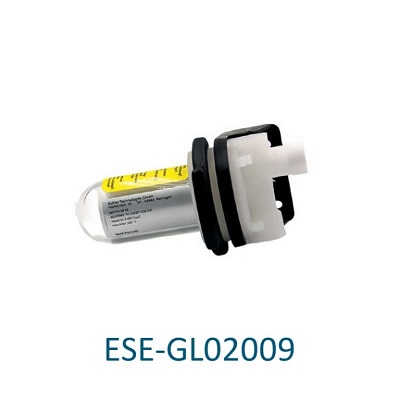
At the heart of measurement systems are sensitive components—optical chambers, detectors, and gas cells—that depend on clean samples. A gas analyser filter is placed upstream of these components to capture dust, particles, and aerosols.
Key Benefits:
Improved measurement accuracy: Removes obscuring contaminants.
Extended instrument life: Protects delicate optical and sensing elements.
Reduced maintenance: Less frequent cleaning and calibration.
Cost savings: Lower sensor replacement costs and less unplanned downtime.
For example, in applications like emissions monitoring or combustion tuning, a well-maintained filter ensures that readings reflect true gas composition—not noise caused by contaminants.
Fuel Separator Filter: Clean Fuel for Consistent Performance
In systems where fuel gas is used—such as industrial burners, engines, and turbines—fuel quality directly impacts efficiency, emissions, and uptime. A fuel separator filter removes entrained liquids and particulates from fuel gas streams before combustion or analysis.
Fuel contaminants lead to:
Unstable flame behavior
Increased emissions
Injector blockages
Component corrosion
By incorporating a high-performance fuel separator filter, plants can improve engine reliability, reduce emission spikes, and maintain smoother operational cycles.
Fuel Gas Conditioning System: Beyond Filtration
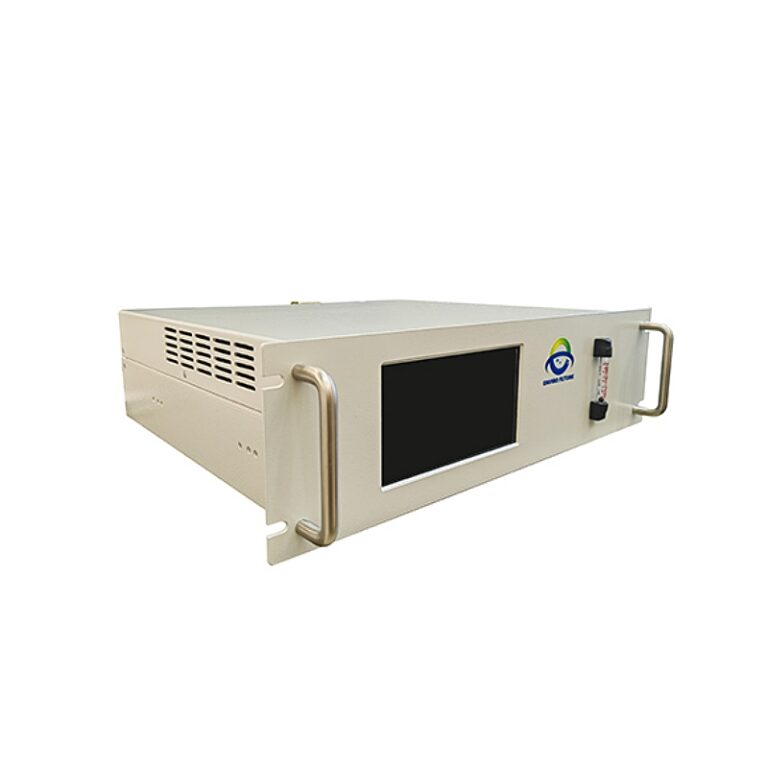
A fuel gas conditioning system goes a step further than basic filters. In addition to removing contaminants, these systems condition gas to meet temperature, pressure, and moisture specifications ideal for downstream analyzers or combustion equipment.
Why Conditioning Matters:
Prevents water condensation in lines
Stabilizes gas temperature for accurate analysis
Reduces corrosion in sample lines and instruments
Enhances combustion efficiency
When gas enters analyzers or burners in a conditioned state, measurements are more representative of true process conditions, and combustion control is more predictable.
How Filtration Enhances Industrial Gas Analysis
Industrial environments are complex: varying temperatures, dust loads, moisture, and chemical constituents can all affect gas quality. Using a gas filter system as part of your sampling setup mitigates these issues by ensuring a clean, dry, and representative sample.
Filtered gas supports:
Regulatory compliance: Trustworthy emissions data for reporting.
Operational optimization: Better tuning of processes like combustion or catalyst control.
Equipment longevity: Less wear on sensitive analyzers and piping.
Worker safety: Cleaner systems reduce risks of clogs and failures.
Best Practices for Selecting and Maintaining Filters
To maximize the value of your gas filtration, keep the following in mind:
Choose appropriate filter ratings: Match micron ratings to the expected contaminant size.
Regular inspection and replacement: Filters clog over time—scheduled maintenance keeps systems running smoothly.
Monitor pressure drop: Increasing differential pressure indicates clogging.
Install pre-filters: For heavily contaminated streams, use staged filtration.
Filters that are easy to replace and maintain help teams focus on analysis, not troubleshooting.
Conclusion: Filtration is Foundational, Not Optional
From gas analyser filters that protect measurement accuracy to fuel separator filter units that ensure clean combustion, and full fuel gas conditioning systems that deliver optimal sample quality—proper filtration is foundational to reliable operation.