Flooding remains one of the most destructive natural threats for properties near oceans and shorelines. Rising sea levels, storm surges and extreme weather events have made coastal flooding more frequent and more damaging than ever before. Understanding how Flood Defense Systems work and how they are applied is essential for homeowners and property managers who want to reduce risk and protect long term investments. This article explains the technologies, strategies and planning considerations behind professional flood protection while educating readers on solutions designed specifically for coastal environments.
Understanding Flood Risks in Coastal Regions
Coastal flooding is different from inland flooding. It is driven by a combination of high tides wave action heavy rainfall and storm surge. Water often moves with strong lateral force carrying debris sand and saltwater that can damage structures rapidly. Traditional sandbags or makeshift barriers are often ineffective in these conditions. Coastal properties require systems that can withstand pressure remain stable on varied surfaces and deploy quickly when warnings are issued.
How Professional Flood Defense Solutions Work
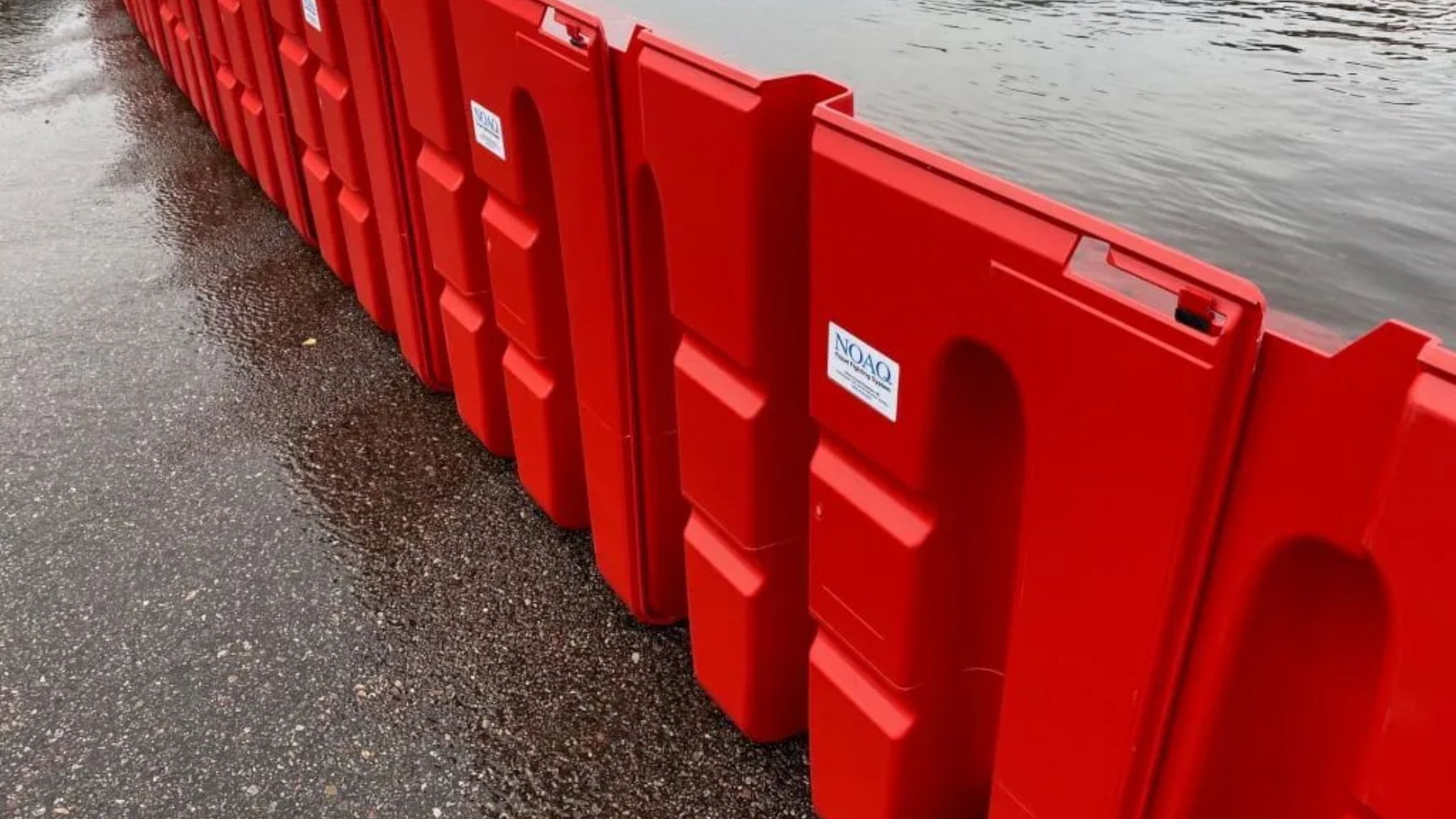
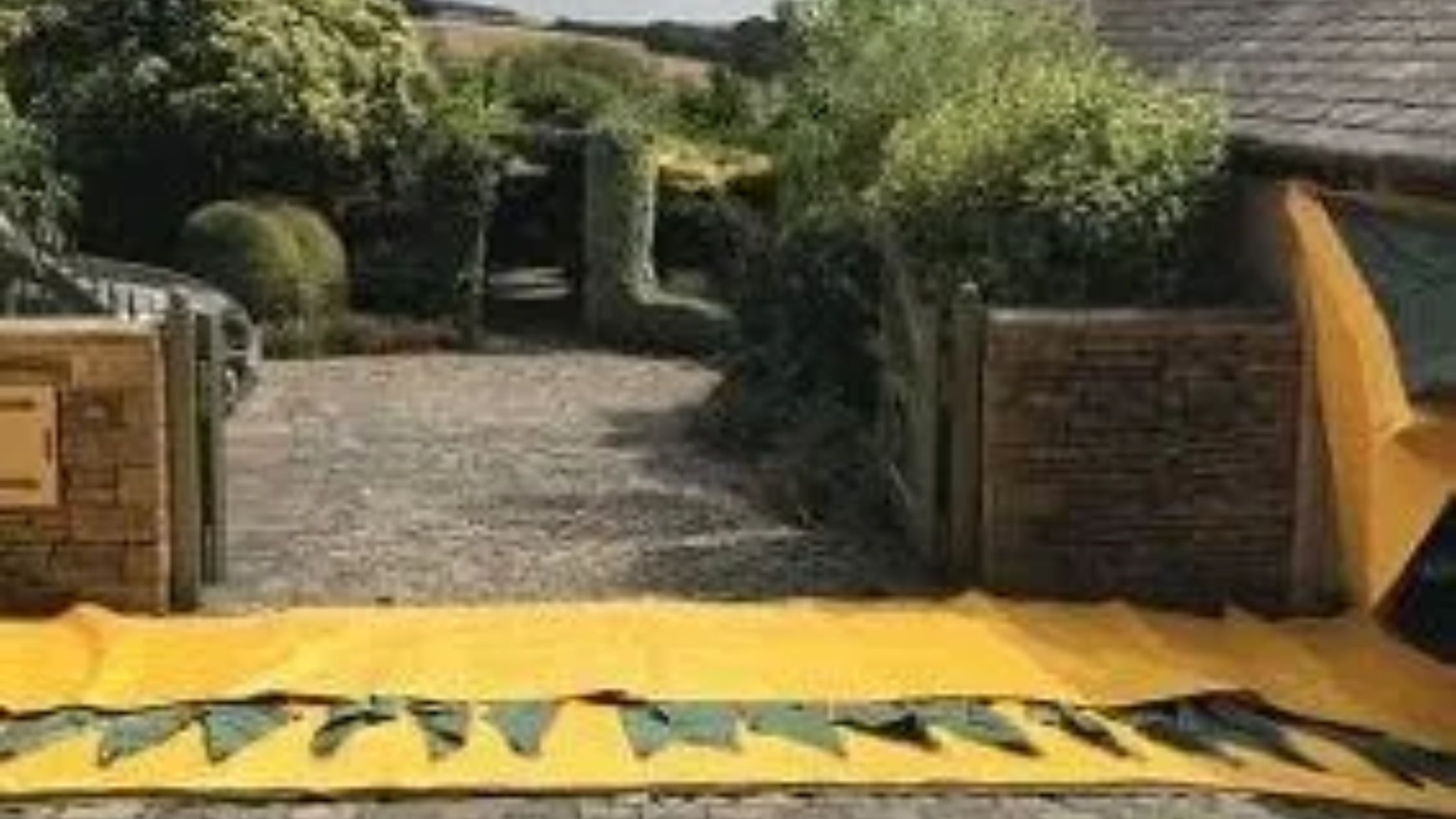
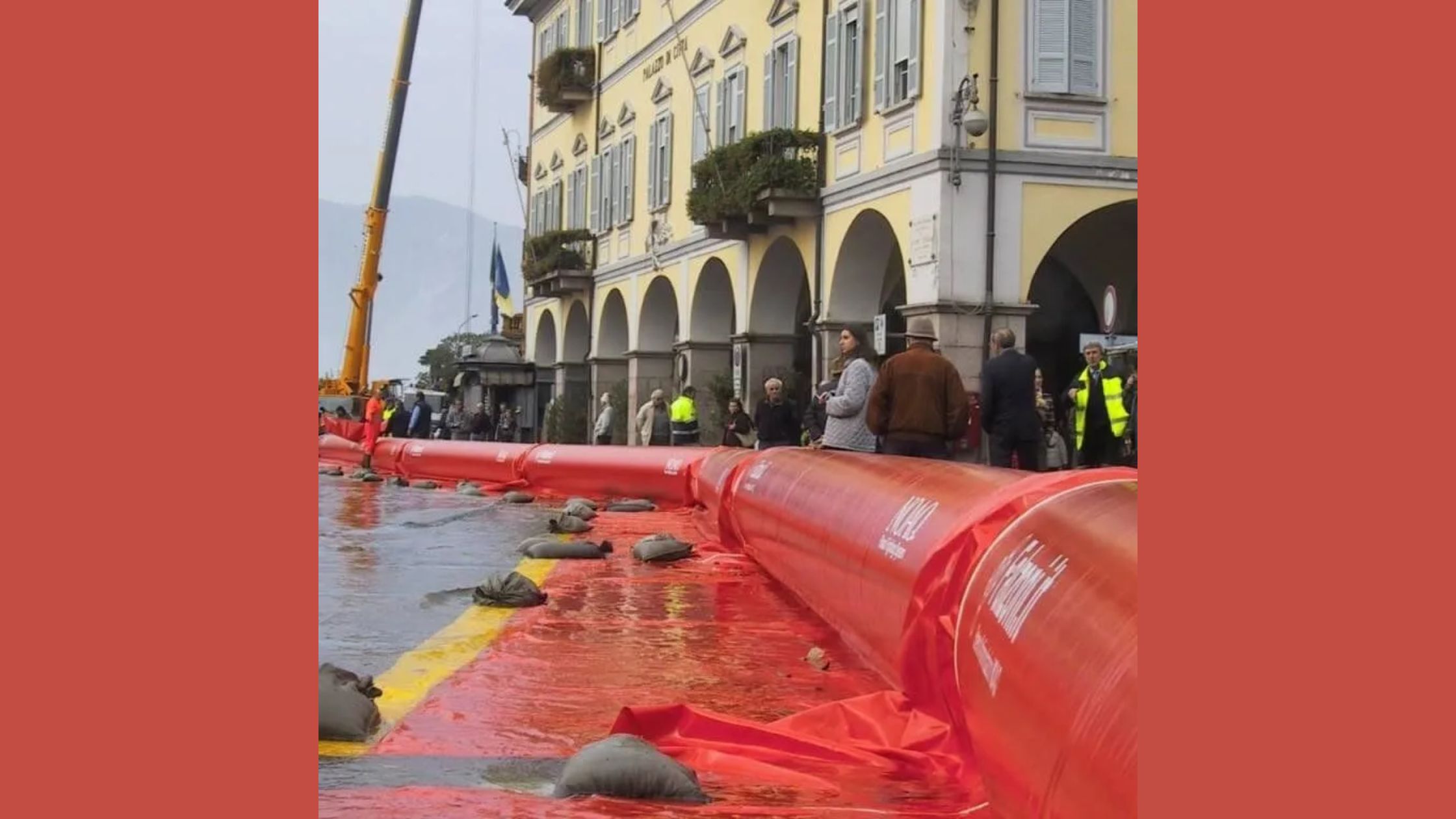
Modern flood protection relies on engineered systems that use water weight soil containment or modular structures to create a temporary or semi-permanent barrier. These solutions are designed to redirect or stop water rather than absorb it. Advanced materials and smart design allow barriers to seal against the ground using the pressure of rising water itself. Many systems are reusable, easy to store and scalable depending on the size of the area being protected.
Professional providers assess ground conditions, expected flood depth deployment time and storage capacity before recommending a solution. This approach ensures the selected barrier performs effectively during real world flood events rather than in theory.
Coastal Area Flood Barriers for Homes Explained
Coastal area flood barriers for homes are specifically engineered to protect residential properties from storm surge and tidal flooding. These barriers are designed to handle uneven terrain saltwater exposure and strong wave energy. Solutions may include water filled barriers, soil filled containment systems or freestanding modular walls that can be configured around a property perimeter or specific entry points.
Unlike permanent flood walls these systems allow homeowners to maintain property aesthetics while still having reliable protection available when needed. Many barriers can be deployed without heavy machinery making them practical for residential use during emergencies.
Why Choose Flood Defense Group?
Flood Defense Group focuses on matching the right solution to each unique site rather than promoting a single product. The company offers one of the largest selections of flood barrier technologies available in the United States. Their core services include site evaluation, product selection logistics support rentals and deployment guidance. With experience supporting residential commercial and government projects Flood Defense Group provides education and planning support that helps clients make informed decisions before floodwaters rise.
Conclusion
Flood protection for coastal homes requires more than basic prevention methods. It demands proven engineering, thoughtful planning and systems designed for real coastal conditions. By understanding how modern flood barrier’s function and why professional assessment matters, homeowners can take proactive steps to reduce damage and recovery costs. With expert guidance and a wide range of adaptable solutions Flood Defense Group helps property owners prepare for flooding with confidence and clarity.