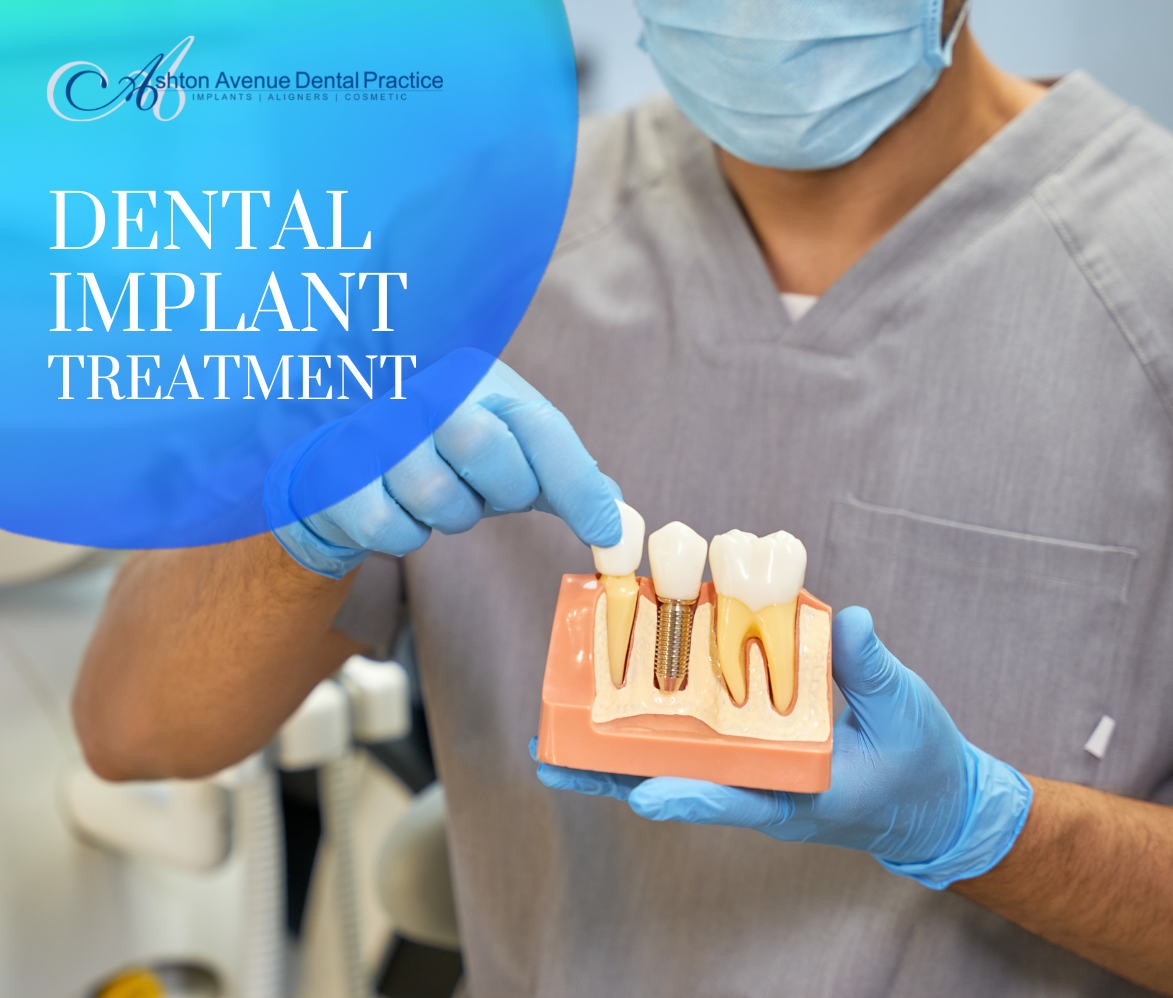



Missing teeth create problems that extend beyond aesthetics. Your ability to chew food properly suffers, and pronunciation becomes difficult. Many people feel self-conscious when smiling or speaking in public.
Dental implants provide a lasting fix that mimics natural tooth structure and function. Unlike removable dentures that slip and slide, implants anchor firmly into your jaw. They also prevent bone deterioration that typically follows tooth loss. Understanding each stage of the treatment helps you approach it with confidence rather than anxiety. If you're considering dental implants in Largo, Florida, here's what you can expect.
Initial Consultation and Assessment
Your journey begins with a thorough evaluation at the dental office. The dentist examines your oral health and takes detailed X-rays or scans of your jaw. This helps determine if you have enough healthy bone to support an implant. These images reveal bone density, structure, and any potential obstacles.
The consultation involves discussing your complete medical background and current health status. Your dentist examines your gums, remaining teeth, and the spaces where implants will go. The position of nerves and sinus cavities is carefully mapped out to avoid complications during surgery.
Your dentist designs a customized treatment strategy based on all gathered information for dental implants in Largo, Florida. This plan outlines how many implants you need, the expected timeline, and associated costs. You receive answers to questions about pain management, recovery time, and success rates.
Key Evaluation Components:
- Bone Density Analysis: Advanced imaging reveals if your jawbone can support the titanium post without additional reinforcement procedures needed.
- Gum Health Check: Healthy gums are essential for successful implant placement, so any periodontal issues must be addressed first.
- Medical History Review: Certain medications and health conditions can affect healing, so complete disclosure helps ensure the best outcome possible.
Pre-Surgical Preparations
Not everyone proceeds directly to implant surgery right away. Some patients require additional procedures to strengthen their jawbone beforehand. Bone grafting involves adding material to areas where bone has deteriorated following tooth loss.
Upper tooth replacements sometimes require a procedure called a sinus lift. This technique raises the sinus floor to create adequate space for the implant. Both procedures need substantial healing time, typically several months, before moving forward.
An emergency dentist largo may also evaluate urgent dental concerns during this phase and ensure your mouth is stable before surgery. Your dentist provides specific pre-operative instructions during this phase of surgery. These guidelines cover dietary changes, medication adjustments, and activities to avoid before surgery. Following these directions precisely improves your surgical outcome significantly.
Surgical Implant Placement
Surgery day arrives, and keeping you comfortable remains the primary focus. Your dentist numbs the treatment area completely using local anesthesia. Patients who experience anxiety can request nitrous oxide or sedation options to help them relax throughout the procedure.
After achieving proper anesthesia, the dentist creates a small incision in your gum tissue. A precise hole gets drilled into the bone at the exact angle and depth required. The titanium post slides into position and acts as your artificial tooth root. Most procedures finish within one to two hours.
Following placement, the surgical site receives stitches to close the incision properly. You get detailed instructions for managing any soreness, which stays mild for most patients. Normal activities resume within days, though you must stick to soft foods initially.
Healing and Osseointegration Period
This phase demands patience but proves critical for achieving lasting success. Your jawbone gradually fuses with the titanium implant over three to six months. This biological process, known as osseointegration, establishes a stable anchor for your replacement tooth.
Maintaining excellent oral hygiene becomes absolutely essential throughout this waiting time. Brush your teeth twice daily and floss carefully around the implant location. Bacterial infections can disrupt proper healing and potentially cause complete implant failure.
Abutment Placement and Crown Attachment
Osseointegration is complete, and you return for the finishing touches of your treatment. Your dentist attaches a small connector piece called an abutment onto the implant. This component rises slightly above your gum line and provides the attachment point.
Impressions of your existing teeth are taken to design a perfectly matched crown. With dental crowns largo fl, this custom restoration mirrors the color, shape, and size of your surrounding natural teeth. You can choose between screw-retained crowns or cemented crowns based on your situation.
The finished crown gets positioned carefully and locked into place by your dentist. They evaluate your bite and adjust as needed until everything feels completely comfortable. The final result gives you a tooth that appears, feels, and works exactly like your original teeth did.
Your Journey to a Complete Smile
The implant process takes commitment and patience, but the rewards justify every step. Each phase moves you closer to reclaiming full dental function and confidence. While several months pass from consultation to completion, you receive a tooth replacement built to endure decades.
Success depends on choosing an experienced provider and maintaining diligent oral care habits. By working with trusted largo dentists, this investment transforms not just your appearance but your quality of life. Proper daily brushing, regular flossing, and routine dental visits protect your new smile for years ahead.



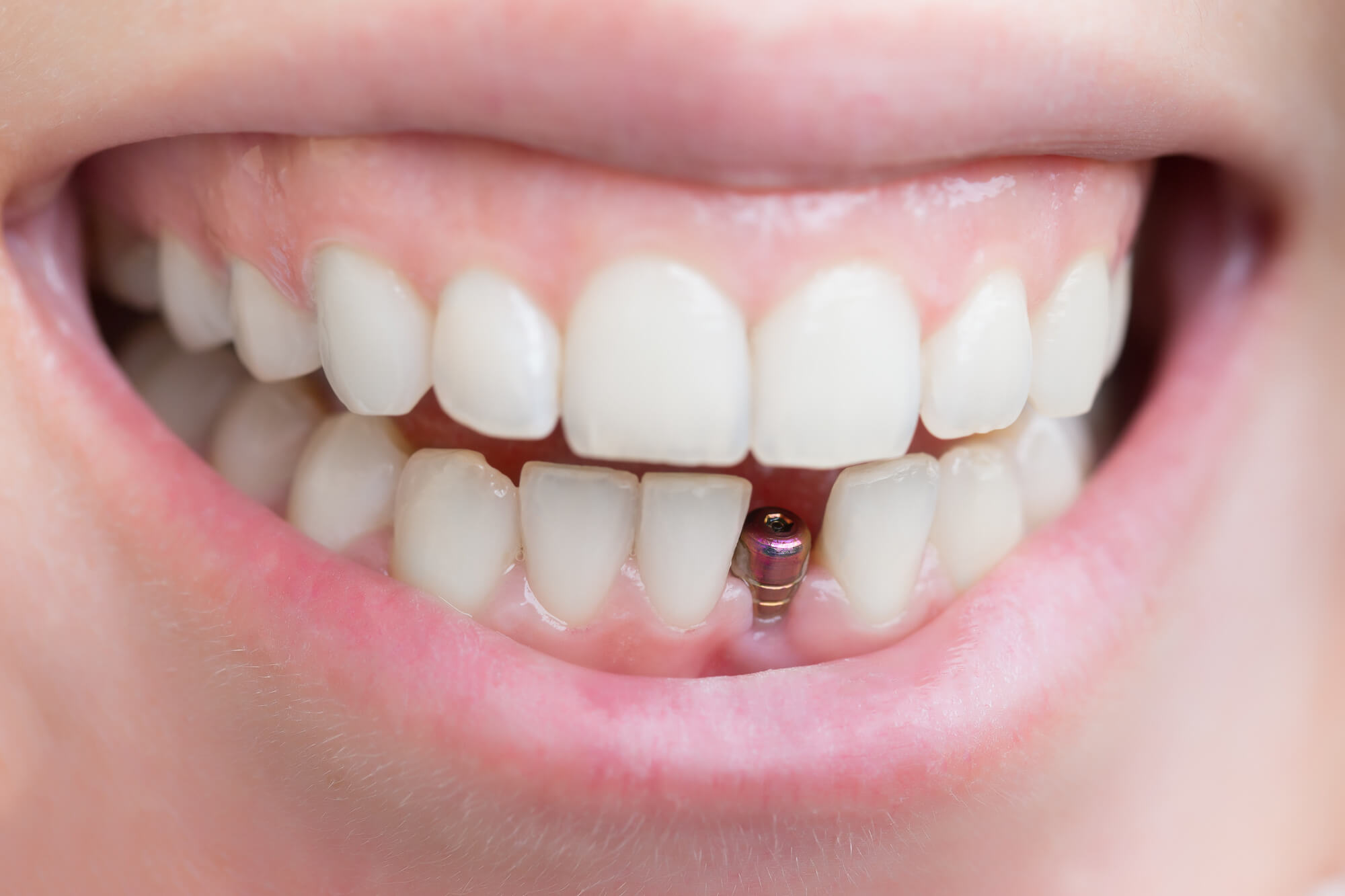
Whether you lost a tooth in an accident, have discoloration due to enamel loss, or just do not like your teeth, dental implants may be something you should consider.Dental implants are a simple way to improve your smile so that you can be confident in your appearance.
Choose the right dentist to do your dental implants.