


A CI/CD pipeline is only as effective as the tools that power it. Enterprises face a dizzying array of options for version control, continuous integration, deployment automation, testing, and monitoring. Choosing the right toolchain is critical for ensuring speed, reliability, security, and compliance. What Is CI/CD and How Does It Work?
This guide helps organizations navigate CI/CD tools, align them with enterprise needs, and maximize the value of automated pipelines.
1. Source Control Tools
Source control is the foundation of CI/CD. Popular options include:
GitHub – widely adopted, integrates with many CI/CD platforms
GitLab – built-in CI/CD pipelines, DevSecOps features
Bitbucket – integrates well with Jira and Atlassian tools
Best practices:
Use branching strategies like Gitflow or trunk-based development
Protect main branches with required reviews and tests
2. Continuous Integration (CI) Tools
CI tools automate builds and testing for every code change. Top CI tools:
Jenkins – highly customizable, large plugin ecosystem
GitHub Actions – simple YAML-based workflows
GitLab CI/CD – integrated with GitLab repositories
CircleCI – fast builds, cloud or self-hosted
Key considerations:
Ease of pipeline definition
Parallel execution support
Integration with test frameworks and security scans
3. Deployment and Continuous Delivery Tools
CD tools automate deployment to staging or production:
Kubernetes & Helm – orchestrate containerized deployments
AWS CodePipeline / Azure DevOps – cloud-native delivery pipelines
Spinnaker – supports multi-cloud progressive delivery
Argo CD – GitOps-based deployments for Kubernetes
Enterprises should ensure deployments are repeatable, reversible, and policy-compliant.
4. Testing and Quality Tools
Automated testing is critical for CI/CD success:
Unit & Integration Tests: JUnit, NUnit, PyTest
UI/Functional Testing: Selenium, Cypress
Security & Compliance Scans: SAST, DAST, dependency scanners
CI/CD pipelines should fail fast if tests detect issues, preventing broken code from progressing.
5. Monitoring and Observability Tools
Monitoring ensures that CI/CD pipelines deliver working software reliably:
Metrics & Logs: Prometheus, Grafana, ELK stack
Application Performance Monitoring: Datadog, New Relic
Alerts & Notifications: PagerDuty, Slack integrations
Observability provides feedback loops that improve pipeline quality and reliability.
6. Infrastructure as Code (IaC) Tools
IaC enables environment parity across development, testing, and production:
Terraform – cloud-agnostic provisioning
Pulumi – IaC with programming languages
Ansible / Chef / Puppet – configuration management
IaC ensures that CI/CD pipelines deploy to consistent and repeatable environments.
7. Choosing the Right Toolchain for Your Enterprise
Factors to consider:
Scale and Complexity: Number of applications, microservices, environments
Cloud vs On-Premises: Some tools are cloud-native, others self-hosted
Security & Compliance Needs: Built-in policy enforcement and audit logs
Team Skillsets: Familiarity with tools reduces onboarding time
Integration Capabilities: Tool interoperability with existing DevOps ecosystem
A modular approach often works best — integrating best-of-breed tools for each stage of the pipeline while maintaining centralized control.
8. Best Practices for Toolchain Management
Maintain pipeline-as-code for reproducibility
Use feature flags to separate deployment from release
Integrate security and compliance into every pipeline stage
Monitor pipeline health and performance continuously
Version control all configuration, IaC, and deployment scripts
Following these practices ensures that pipelines remain scalable, auditable, and resilient.
Business Benefits of a Well-Chosen CI/CD Toolchain
Benefit Impact
Faster Releases Reduced time to production
Higher Quality Fewer regressions and outages
Compliance Readiness Automated audit trails and policy enforcement
Reduced Operational Overhead Less manual intervention
Developer Productivity Focus on innovation instead of deployment tasks
Conclusion: CI/CD Success Starts With the Right Tools
Selecting the right CI/CD tools is critical for building fast, reliable, and secure pipelines. Enterprises that carefully evaluate source control, CI engines, deployment automation, testing, monitoring, and IaC tools are best positioned to:
Scale software delivery
Support AI and data pipelines
Maintain compliance and security
Foster collaboration across DevOps teams
A thoughtfully designed CI/CD toolchain is not just a technical choice — it’s a strategic enabler for enterprise agility and innovation.
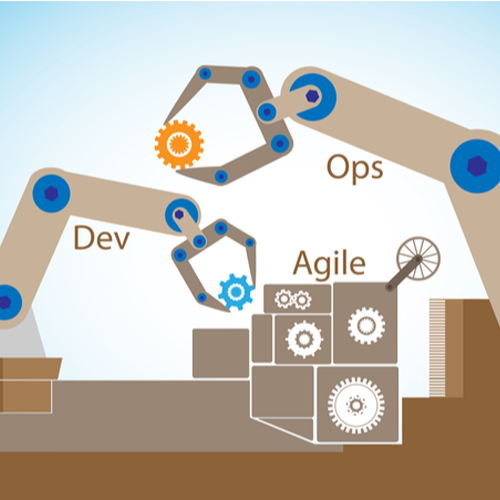
Everyone loves Agile and the way it is replacing all the older methodologies and development models with a streamlined and sustainable system for faster delivery cycles.
However, the ever-prevailing Manual testing practice has always kept the QA teams from entirely adopting Continuous Integration and Continuous Delivery, making Agility unreachable.
Fortunately, tools like Jenkins help reach the goals of the CI/CD pipeline, i.e., to maintain a continuous flow of software updates in production and shorter release cycles at reduced costs.https://www.pcloudy.com/blogs/using-jenkins-as-your-go-to-ci-cd-tool/

DevOps is a technique of software development that integrates the programmers with IT professionals.
There are a few other benefits: less code error Shortened lead time for repairs the standard waterfall design overcomes all drawbacks.
Amaozndumps.us are either programmers specializing in network and implementation, or who are excited about scripting and programming and who are shifting towards the development side to boost trial and delivery scheduling.Job roles and tasks in DevOps: let me mention the different roles and details DevOps Work duties and responsibilities: let me mention the different roles and details in the first place.1-DevOps Evangelist–The primary (leader) accountable for the introduction of DevOps 2-Release Manager–The one who allows the software consistency accessible and guarantees 3-Automation Specialist upon release–The one who designs the application and checks 4-Quality Assurance–The one who provides quality control for the development and orchestration of 5- Software Developer/ Testers devices.6-Safety Engineer–constantly checking the safety and health of the consumerWhy Is AWS Certification Important?
More often than not, the affirmation that you learn about what you speak is the gateway to a broader range of career-specific prospects.Rising expanded certificates will have a positive impact on your earning capacity and prestige among peers.
This analysis covers four areas: cloud principles, safety, software and pricing.Which AWS Exam Is Best?
DevOps includes automating the delivery of code and upgrading facilities, and different tools and services are involvedTo order to validate the practitioners of this technology, the Cloud Native Computing Foundation Amazondumps.us is working to establish a certification program.