

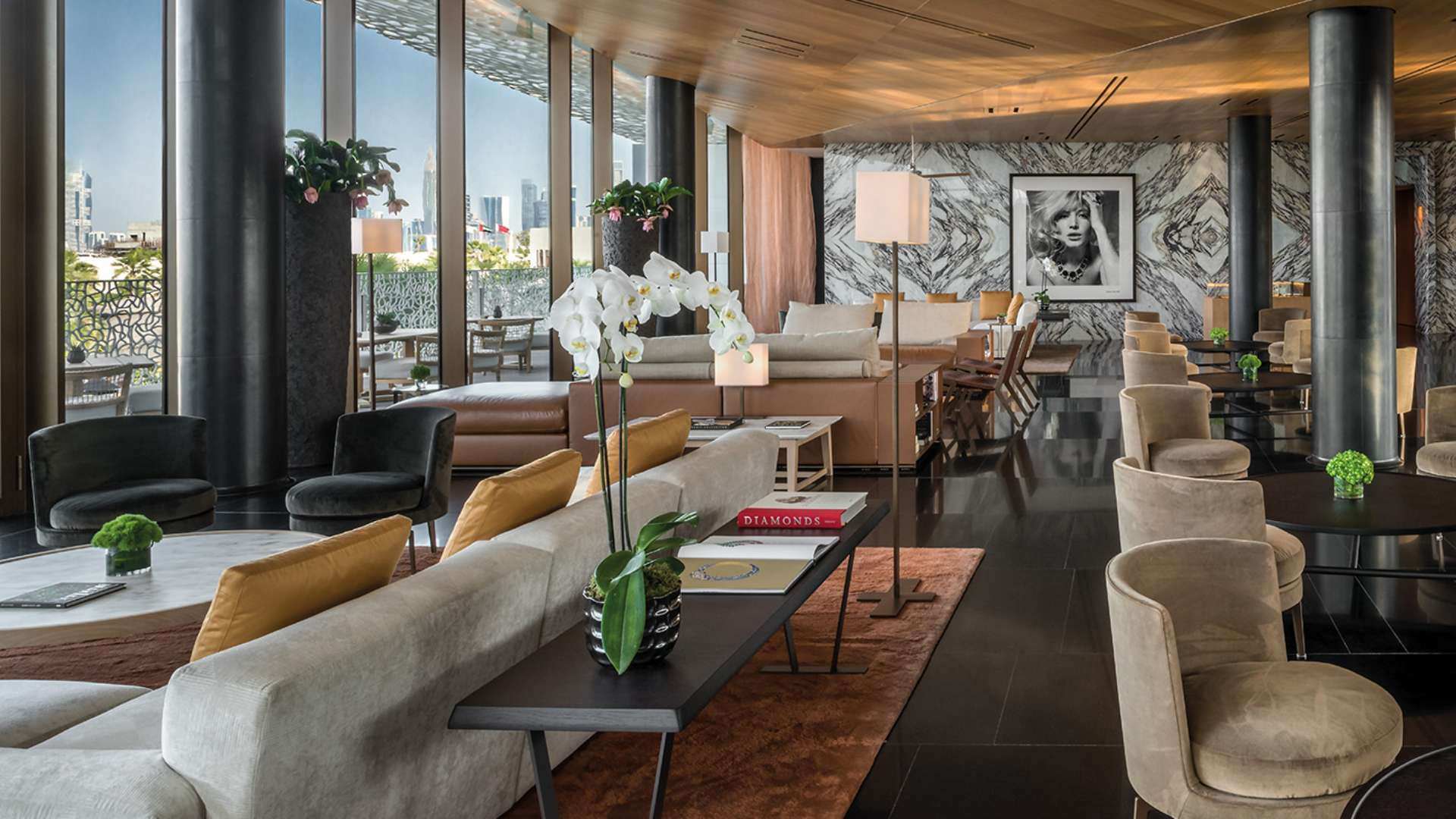
In the competitive hospitality industry of 2026, a hotel is no longer just a place to sleep; it is an immersive experience. While service and location are vital, a hotel's interior design is often the primary factor that shapes a guest's experience from the moment they walk through the door.
Thoughtful interior design does more than look good—it builds an emotional connection with the guest. When a space is designed with intention, it creates comfort, reduces stress, and fosters loyalty that leads to repeat bookings and positive reviews.
1. The Psychology of First Impressions
The lobby and reception area serve as the "handshake" of the hotel. This space sets the tone for the entire stay.
The Entrance: High-quality materials, strategic lighting, and a clear, uncluttered layout signal professionalism and luxury.
Sense of Belonging: A well-designed lobby encourages guests to linger, whether for work or social interaction, making the hotel feel like a "home away from home" rather than a cold, transitional space.
2. Colour Psychology and Mood Management
Designers use colour to influence guest behaviour and emotions subtly.
Relaxation Zones: Bedrooms and spas often feature cool blues, greens, or neutral earth tones to lower heart rates and promote rest.
Energizing Spaces: Dining areas and gyms may incorporate vibrant accents like orange or yellow to stimulate appetite and energy.
Brand Identity: Consistent colour palettes help guests recognize and remember a hotel brand, contributing to long-term brand recall.
3. The Role of Lighting and Ambience
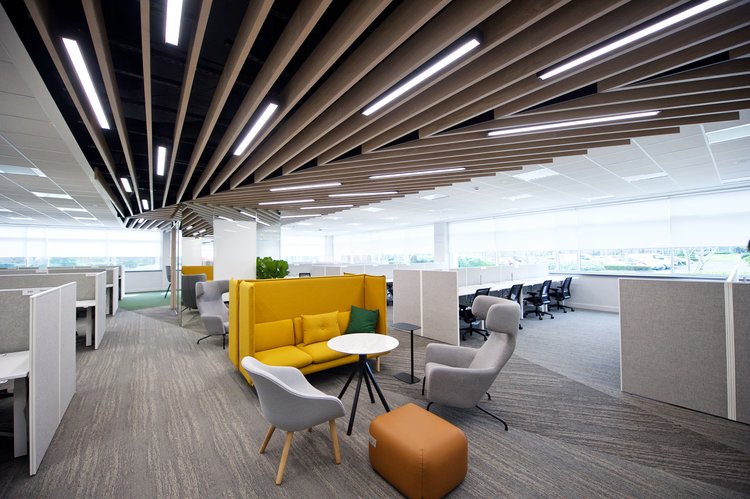
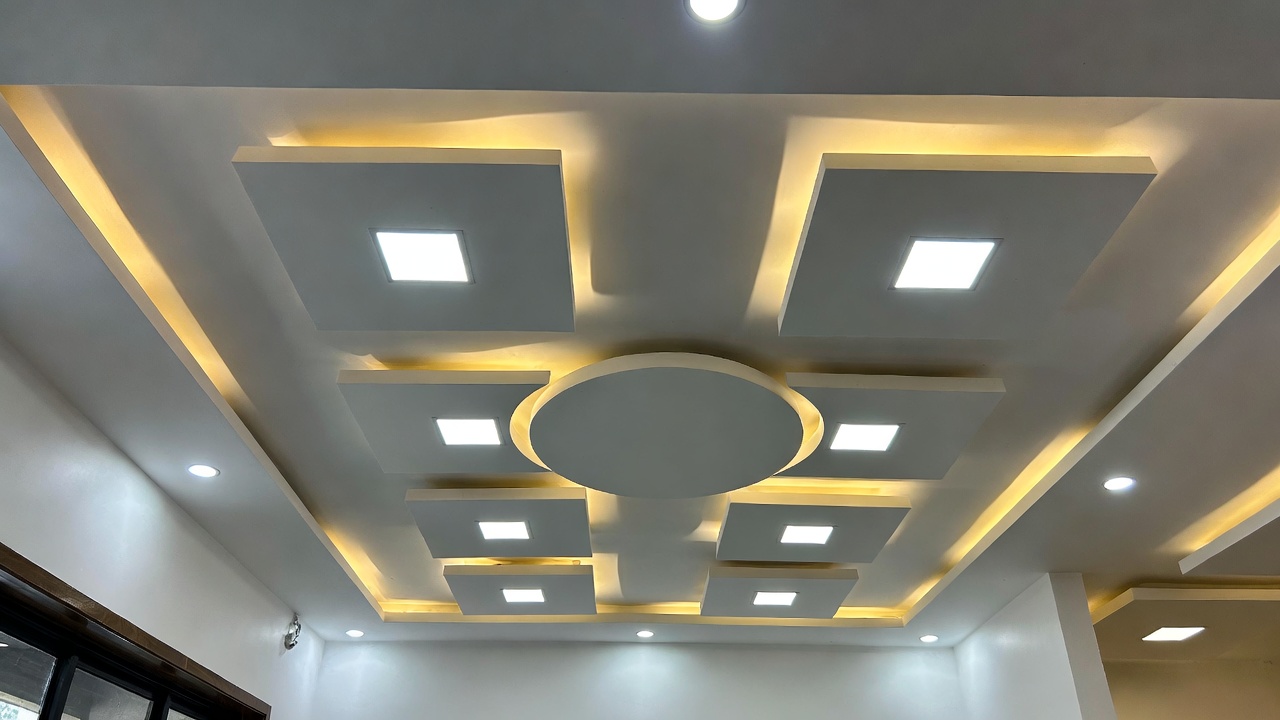
Lighting is one of the most powerful tools in a designer's kit for changing the "feel" of a room without moving a single piece of furniture in commercial interiors.
Layered Lighting: Modern hotels use a mix of ambient, task, and accent lighting. Soft, warm light in lounges creates intimacy, while bright, focused light in work areas supports productivity.
Smart Controls: In 2026, guests expect to control their environment. Automated systems that adjust lighting based on the time of day help maintain the guest's natural circadian rhythm, improving sleep quality.
4. Sensory Design: Beyond the Visual
A guest's experience is shaped by more than just what they see. A multi-sensory approach is essential for building a memorable brand.
Signature Scents: Many luxury hotels use custom fragrances diffused through ventilation systems. These scents trigger memories, ensuring that whenever a guest encounters that smell again, they think of their stay.
Acoustics: High-quality interior design includes sound-absorbing materials such as heavy drapery, acoustic wall panels, and thick carpeting to ensure that the "sounds of the hotel" (hallway traffic or elevator noise) do not disturb guests' peace.
5. Technology and Modern Comfort
In a world driven by convenience, the integration of technology into interior design is non-negotiable.
Seamless Connectivity: This includes hidden charging ports, high-speed Wi-Fi, and "smart" mirrors or room controls that are intuitive and easy to use.
Keyless Interaction: Moving toward minimalist designs, many hotels now use invisible tech, such as hidden RFID sensors for room entry, keeping the aesthetic clean and modern.
6. Sustainability as a Loyalty Driver
Modern travellers are increasingly eco-conscious. A hotel's commitment to the environment is often visible through its design choices.
Eco-Materials: Using reclaimed wood, recycled metals, and low-VOC (Volatile Organic Compound) paints aligns with the guest's values.
Biophilic Design: Incorporating living green walls and natural light not only looks beautiful but also improves air quality and guest well-being.
Conclusion: From Experience to Loyalty
The goal of exceptional hotel interior design is to create a frictionless, pleasant stay. When a guest finds a hotel that aligns with their aesthetic preferences while offering superior comfort and functionality, they stop looking for alternatives. Design is the silent ambassador of your brand; it communicates your value and your care for the guest without saying a word. Investing in high-quality interiors is an investment in your hotel's reputation and its future.
Are you looking for the best hotel interiors in Chennai?
‘Northwest Interiors’ provides you the best commercial and office interiors in Chennai. Our team is part of you, from Millimetres to Meters, to assist you in bridging your dreams to reality.
For more information:
Contact us: https://northwestinteriors.in/contact-us/