


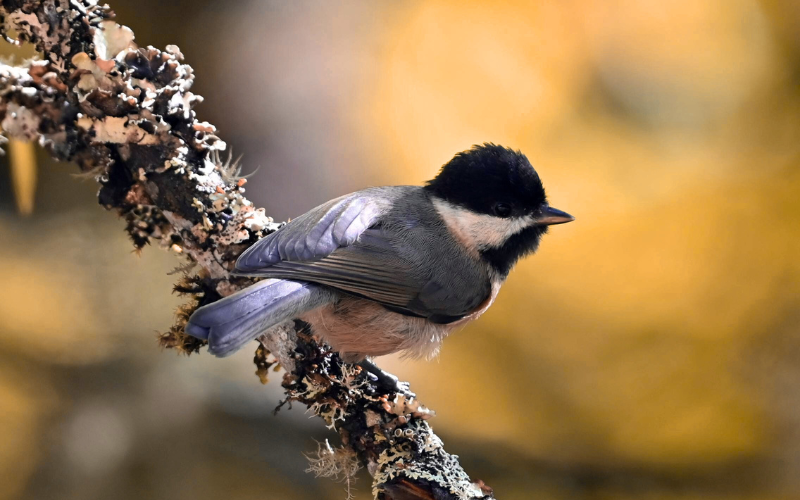
One of the first things people worry about when planning a bird watching tour in China is the weather. Will it rain too much? Will it be cold? Will the fog ruin visibility? In Sichuan, those “problems” are actually the reason birding here works so well.
This part of China sits at the crossroads of multiple climate zones. Weather changes with altitude, geography, and even time of day. And every one of those shifts quietly reshapes the landscape, the food available, and the birds that show up. Instead of fighting the climate, birding routes here follow it.
Forests That Stay Green and Busy
In western Sichuan, steady rainfall keeps forests dense and productive. Places like Emei, Wawu Mountain, and Longcanggou rarely dry out completely, which is great news for birds. Moist forests mean insects year-round, flowering plants at different stages, and plenty of cover.
What this looks like on the ground is constant movement. Mixed flocks pass through, calls come from different levels of the forest, and even shy species stay active instead of disappearing into silence.
Why these forests work so well :
- Food is available for longer periods
- Dense cover supports a wide range of forest birds
- Activity stays high even on overcast days
When the Air Gets Thinner, the Birds Get Special
As you head higher toward Balangshan, Ruoergai, and the edges of the Tibetan Plateau, the temperature drops and the scenery opens up. It’s cooler, quieter, and noticeably different from the lowlands you left behind. This is where Sichuan starts to feel truly distinctive from other birding trips.
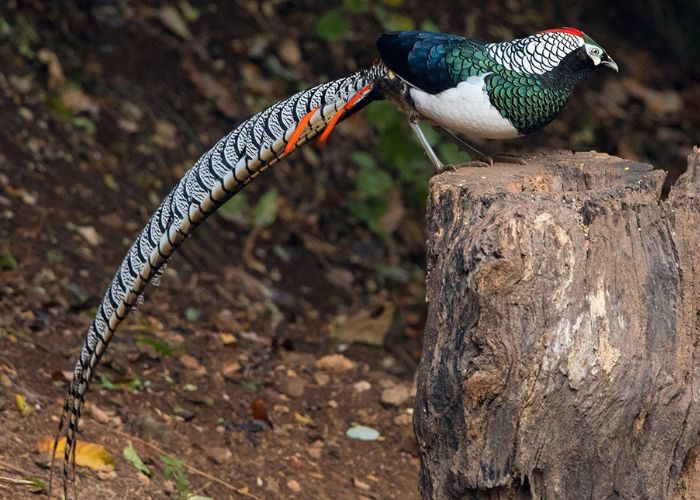
These colder, high-altitude zones support birds that simply don’t show up elsewhere. Up in the high country, things feel a little stripped back in the best way. Pheasants, snow partridges, and other plateau specialists like space. Open slopes, fewer trees, and weather that changes with the season give them exactly what they need.
What birding at higher elevations usually means :
- Species you won’t find anywhere else
- Wide, open views that make scanning hillsides actually enjoyable
- A calmer pace where you slow down and really watch what’s happening
Warmer Valleys Bring a Different Energy
Once you drop back into the Sichuan Basin and nearby valleys, everything perks up. The climate is gentler and more predictable, especially in spring and autumn, and the birds seem to know it. Mornings get louder, movement picks up, and suddenly there’s activity everywhere you look.
These lower elevations are where resident species mix with migrants, making every walk feel unpredictable in a good way. You never quite know what will pop up next on your birding tour in Sichuan.
Lowland highlights :
- Active mornings with plenty of song
- Easier terrain between observation points
- Strong seasonal movement during migration
Wetlands That Birds Rely On
Weather also shapes Sichuan’s wetlands, especially places like the Ruoergai marshes. Seasonal rain and snowmelt maintain shallow lakes and grasslands that attract waterbirds during key migration periods.
These areas slow the pace of a trip in the best possible way. Instead of scanning forest edges, you watch open spaces and wait for movement. Cranes, ducks, and geese often linger longer than expected.
Why wetlands matter :
- Important stopovers for migratory species
- Open views with minimal obstruction
- A calm contrast to forest and mountain birding
Why the Weather Is the Whole Point
The real value of a bird watching tour in China isn’t perfect conditions. It’s change. In Sichuan, shifts in climate create natural transitions between habitats, and those transitions bring new species into play without repeating the same scenery day after day.
Some carefully planned itineraries, including those offered quietly by operators like Alpine Birding, take advantage of this by moving with the weather rather than around it. The result is a trip where birds change naturally as the landscape does.
So yes, you’ll pack layers. You’ll experience mist, sunshine, and crisp mornings all in one journey. But that variety is exactly why such tours here feel so rewarding. The weather isn’t something to manage. It’s what makes the birding work.
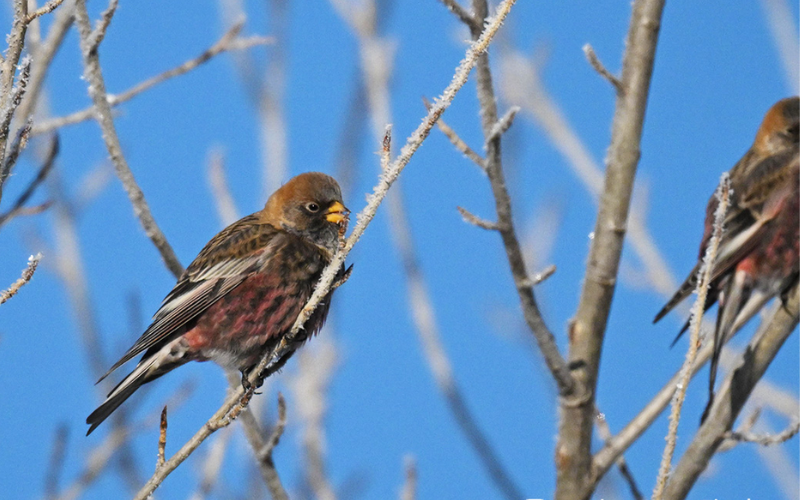
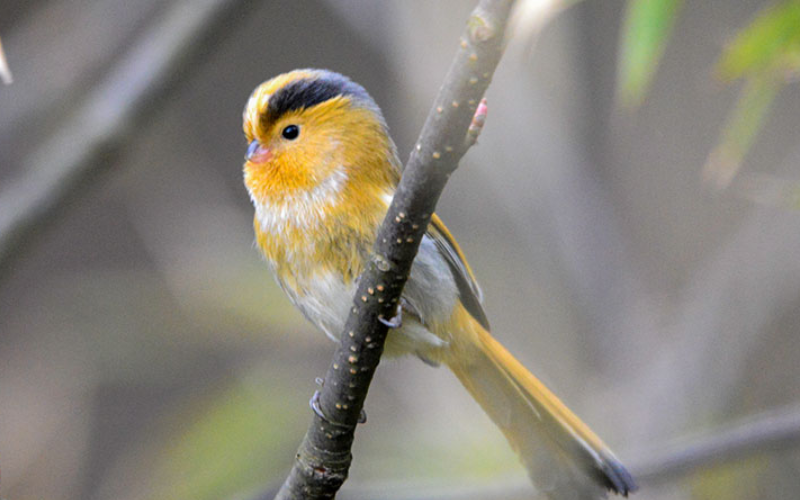
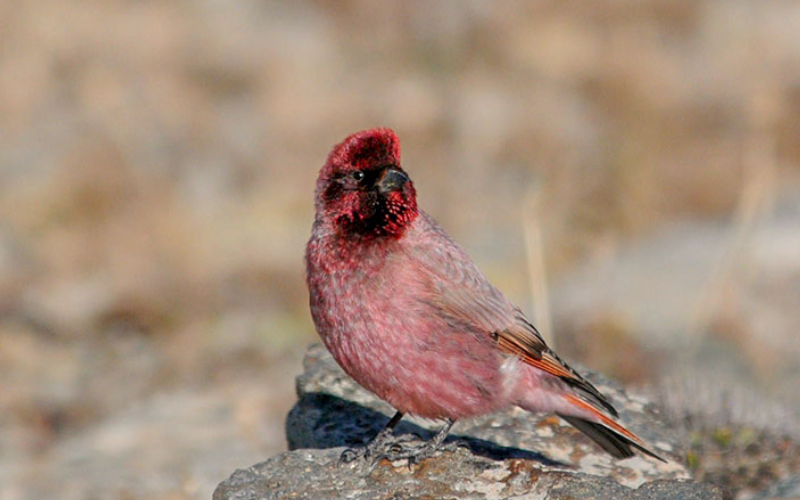
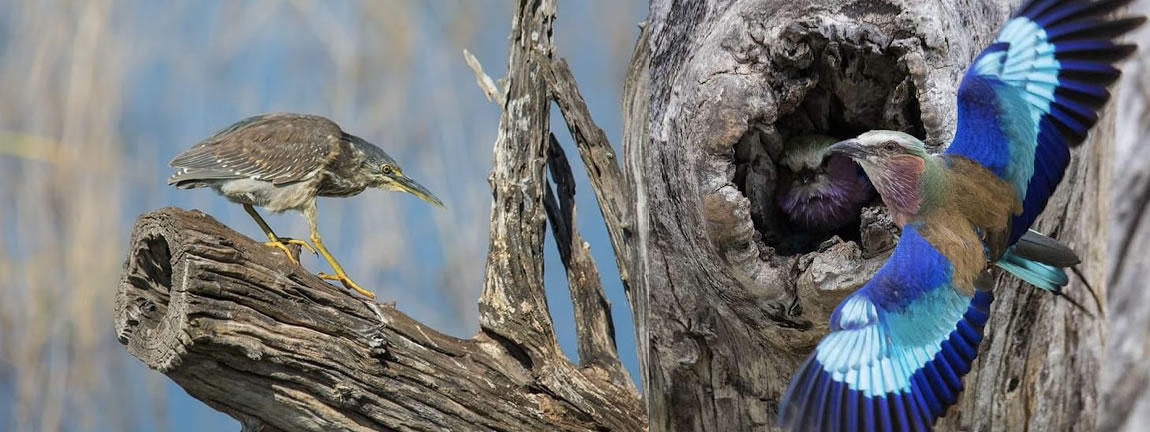

Bird Watching Activities in Andaman and Bird Watching Activities in Port Blair- One recreational activity that should not be missed during your visit to Andaman is bird watching.
It is one of the most popular activity among the nature lovers and the people who wants to explore the natural beauty.
Andaman has vast variety of exotic bird specis.
In Andaman, there are many places to watch the exotic bird life.
In Andaman, you might get a chance to view birds like Cotton Teal, Purple Moorhen, Andaman Drango, Andaman bulbuls and many more.http://www.andamanexotictours.com/activity/bird-watching-andaman