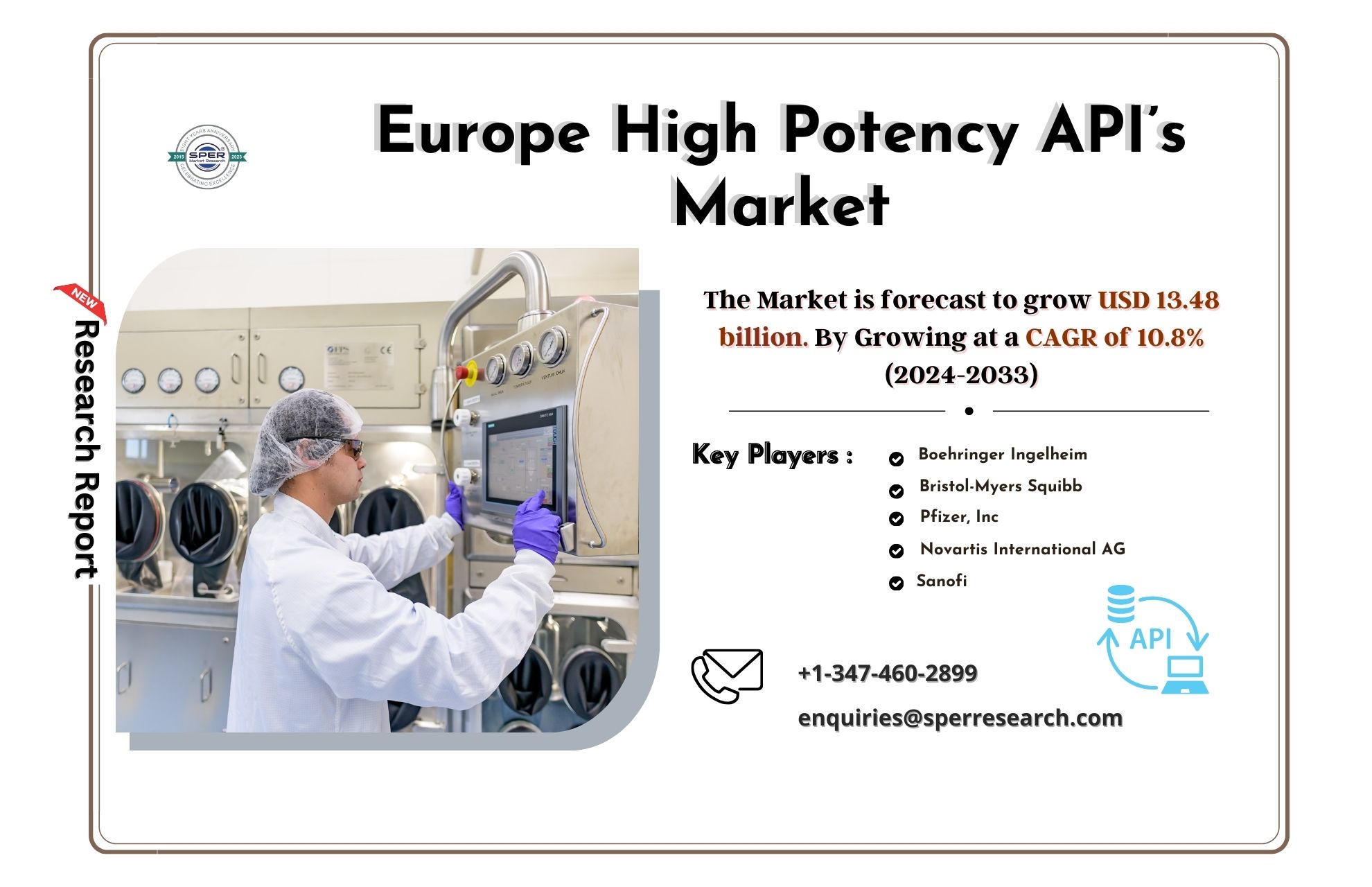


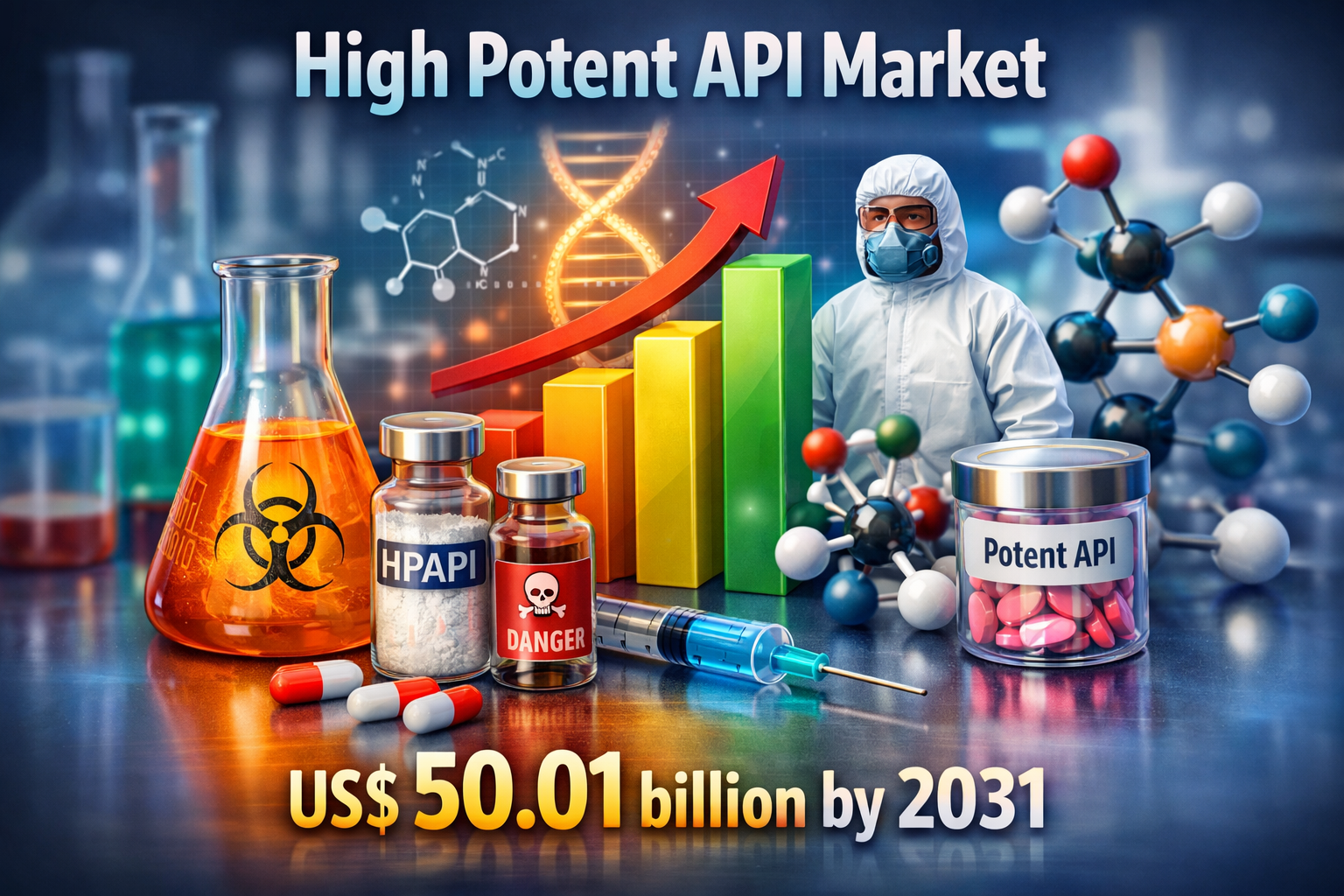
High Potent Active Pharmaceutical Ingredients are compounds engineered to deliver strong therapeutic effects at extremely low dosage levels. These APIs are vital for the development of modern medicines that require high selectivity and controlled pharmacological action. Because of their toxicity and low occupational exposure limits, HPAPIs demand specialized containment facilities, advanced processing technologies, and strict regulatory compliance, making them a strategically important segment of the pharmaceutical industry.
Market Overview and Growth Analysis
The high potent API market is witnessing sustained growth as pharmaceutical innovation increasingly shifts toward targeted and high value therapies. The market size is projected to rise from US$ 28.82 billion in 2024 to US$ 50.01 billion by 2031, registering a CAGR of 8.3% over the forecast period. This expansion is closely tied to the growing prevalence of cancer and chronic diseases, along with the rising adoption of precision medicine approaches that rely on highly potent molecules.
Oncology remains the dominant application area for HPAPIs, driven by the increasing use of cytotoxic compounds, antibody drug conjugates, and targeted small molecules. These therapies require precise dosing and controlled delivery, making high potent APIs indispensable. In addition to oncology, HPAPIs are gaining traction in hormonal therapies, autoimmune and immunology treatments, infectious disease management, and central nervous system disorders. The expanding therapeutic scope reflects the growing confidence of drug developers in managing potency-related risks through advanced manufacturing solutions.
Manufacturing complexity continues to shape market dynamics. HPAPIs often have exposure limits below one microgram, requiring closed systems, isolator-based production, and sophisticated air handling infrastructure. Developing such capabilities involves significant capital investment and technical expertise. As a result, many pharmaceutical companies are increasingly outsourcing HPAPI manufacturing to specialized contract development and manufacturing organizations. This approach allows innovators to reduce operational risk, ensure compliance with global regulations, and accelerate time to market.
Market Segmentation Analysis
By API Type
The market is segmented into synthetic high potency APIs and biotech high potency APIs. Synthetic HPAPIs account for a substantial share due to their widespread use in oncology and hormonal drugs. Biotech HPAPIs are experiencing faster growth, supported by the rising adoption of biologics and antibody-based therapies that require potent payloads.
By Drug Type
Based on drug type, the market is divided into innovative drugs and generic drugs. Innovative drugs dominate the segment, reflecting continuous investment in research and development of novel targeted therapies. Generic HPAPIs are gaining importance as patents expire and healthcare systems seek cost effective treatment alternatives.
By Indication
Oncology represents the largest indication segment, followed by hormonal disorders, autoimmune or immunology conditions, infectious diseases, central nervous system disorders, cardiovascular diseases, and other therapeutic areas. This diversified indication base highlights the expanding role of HPAPIs beyond traditional cancer treatments.
Download Sample PDF: https://www.theinsightpartners.com/sample/TIPRE00003533
Manufacturing Trends and Technological Progress
Advancements in manufacturing technology are transforming the high potent API production landscape. Continuous manufacturing is increasingly adopted due to its ability to enhance process control, reduce variability, and improve scalability. Advanced containment technologies such as isolators, closed material transfer systems, and high efficiency filtration solutions are enabling safer handling of extremely potent compounds.
Automation and robotics are also becoming integral to HPAPI facilities. Automated weighing, dispensing, and packaging systems reduce manual intervention and lower exposure risks. Digital monitoring tools and real time process analytics support quality assurance and help manufacturers maintain compliance with evolving regulatory requirements. Together, these innovations are improving productivity while reinforcing safety standards.
Key Players in the High Potent API Market
• AstraZeneca Plc supports market growth through oncology focused drug pipelines
• F. Hoffmann-La Roche Ltd leverages expertise in antibody drug conjugates and targeted therapies
• GSK Plc invests in advanced containment and complex API manufacturing
• Pfizer Inc integrates high potent APIs across innovative and generic portfolios
• AbbVie Inc benefits from strong immunology and oncology portfolios
• Merck & Co Inc applies HPAPIs across multiple therapeutic areas
• Novartis AG focuses on precision medicine and high efficacy compounds
• Bristol-Myers Squibb Co drives demand through oncology and immunotherapy research
• Sanofi SA maintains diversified therapeutic applications
• Takeda Pharmaceutical Co Ltd strengthens market presence through innovation-led R&D
Future Outlook
The future outlook for the high potent API market remains strong, supported by the continued expansion of targeted therapies and precision medicine. Increasing outsourcing to specialized CDMOs, coupled with advancements in containment and automation technologies, is expected to further enhance production safety and scalability. As pharmaceutical companies prioritize high efficacy drugs with improved safety profiles, high potent APIs will continue to play a central role in shaping the next phase of global drug development through 2031.
Related Reports:
Psychedelic API Market 2026-2034 | Growth, Opportunities & Forecast
Precision Dermatology Market 2026-2034 | Size, Share, Growth & Trends